What Is an Individual Business? Legal and Tax Regulations Updated for 2026
02/10/2026
What is an individual business? Learn about the legal definition, common business types, differences from household businesses, and current tax registration regulations.
What is an individual business is a question of great concern to many online sellers, freelancers, and property owners when starting a small business. This is a form of profit-generating activity carried out by an individual, without legal entity status, and is subject to tax obligations as prescribed by law. This article will help you understand the definition, classifications, differences from household businesses, and the latest tax regulations.
Note: The figures and content in this article are compiled from general market sources and do not apply specifically to SeABank products.
1. What Is an Individual Business from a Legal and Tax Management Perspective?
Currently, Vietnamese law does not provide a single, separate definition of an "individual business." This concept is primarily addressed through legal documents on taxation and tax administration.
1.1. Definition of an Individual Business
According to the common understanding used in tax guidance documents, an individual business (also referred to as an individual taxpayer engaged in production or business activities) is a resident individual who independently carries out one, several, or all activities involving the production, purchase and sale of goods, provision of services, or other activities, and may not have a fixed business location.
Individuals who independently register to establish a household business.
Individuals authorized by household members to act as representatives of the household business.
2. Common Types of Individual Businesses Today
Along with the development of the digital economy, individual businesses have become increasingly diverse. Below are some of the most common types.
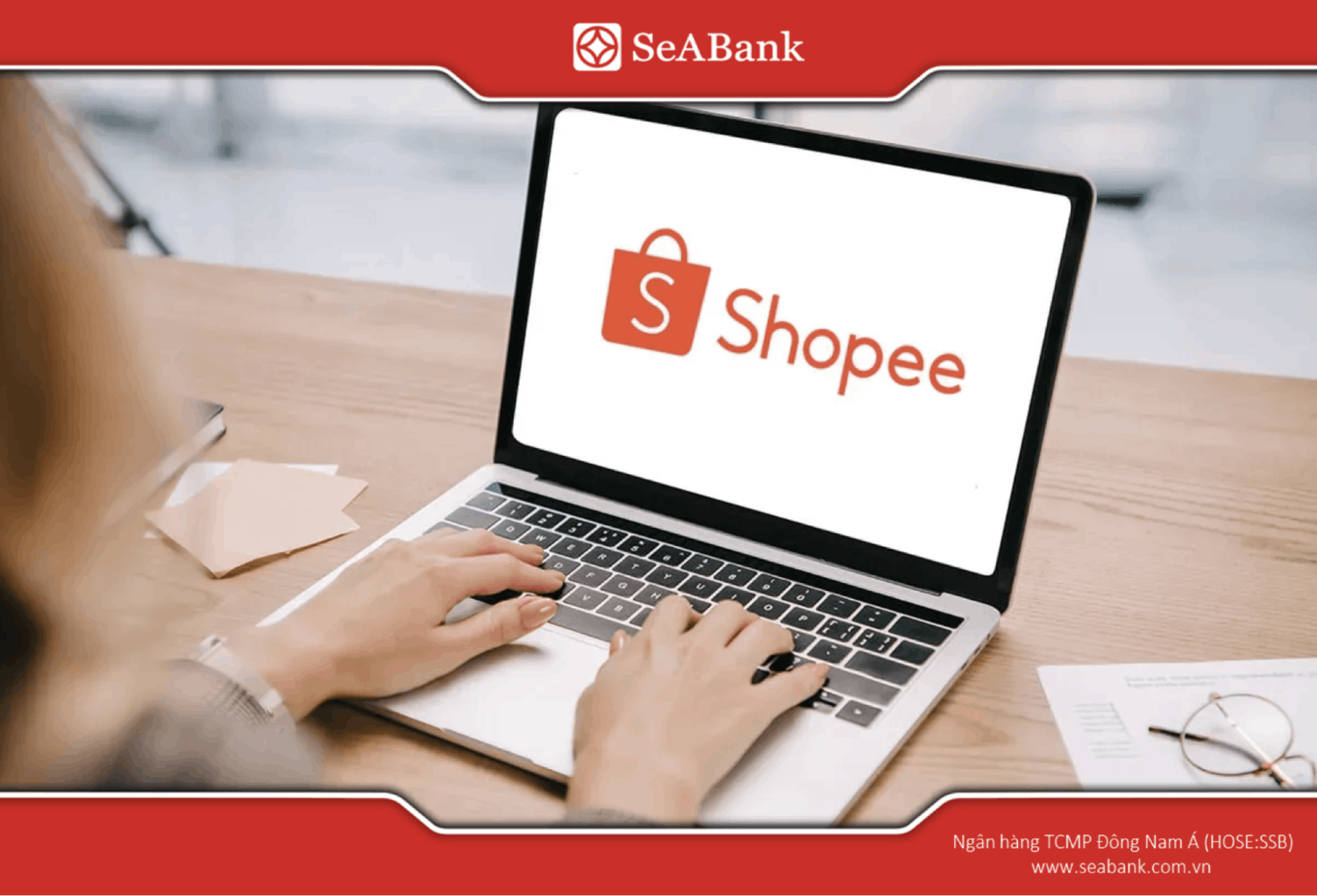
Online Selling: This is currently one of the most common forms of individual business, in which individuals independently sell goods through social media, e-commerce platforms, or their own websites without needing a fixed business location.
Freelancing: Freelancers working in fields such as design, content writing, programming, consulting, and other services who receive fees from different clients may also be considered individual businesses if these activities are carried out regularly and generate income.
Property Leasing: Individuals who lease houses, premises, vehicles, or other assets for profit are also classified as individual businesses and must fulfill the corresponding tax declaration obligations.
Affiliate Marketing: Individuals conducting business on digital platforms, such as e-commerce platforms, through affiliate marketing or digital content provision, are among the groups receiving particular attention from tax authorities during the current digital transformation process.
Individual business activities are becoming increasingly diverse, especially in e-commerce and the digital economy.
3. Tax Registration Regulations and Revenue Thresholds for Tax Obligations
From January 1, 2026, tax policies for individual businesses and household businesses have undergone several important changes toward simplification and higher tax-exempt revenue thresholds.
3.1. Latest Tax-Exempt Revenue Threshold
According toDecree No. 141/2026/ND-CP, which amends and supplements Decree No. 68/2026/ND-CP, the revenue threshold for VAT exemption and PIT exemption for individual businesses and household businesses has been increased. Specifically:
Individual businesses with annual revenue of 1 billion VND or less are not required to pay VAT or PIT.
Individual businesses are still required to report their actual revenue generated during the year to the tax authority no later than January 31 of the following calendar year, even if they are exempt from tax.
If annual revenue is over 1 billion VND to 3 billion VND, individual businesses may choose to pay tax based on a percentage of revenue or use the taxable-income method (revenue minus expenses) multiplied by the tax rate.
If annual revenue is over 3 billion VND, individual businesses must calculate tax based on taxable income multiplied by the applicable tax rate.
3.2. Notes on Tax Registration and Filing Procedures
To properly fulfill their tax obligations, individual businesses should take note of the following steps:
Register for an individual tax code (if they do not already have one) with their directly managing tax authority or through the eTax Mobile app.
Monitor actual annual revenue to correctly determine the applicable tax threshold.
Report revenue or file tax returns within the prescribed deadlines.
Keep complete accounting records and documents related to revenue and expenses for reconciliation purposes when requested by the tax authority.
See also: Detailed Guide on How to Pay Taxes via eTax Mobile for Individuals and Household Businesses
Understanding the taxable revenue threshold helps individual businesses proactively manage tax filing and payment.
4. Frequently Asked Questions (FAQs)
1. Are individual businesses required to register their business? Not all cases are subject to mandatory registration. Many small-scale and irregular business activities are not required to register, except for businesses operating in conditional business sectors as prescribed by law.
2. How much revenue must an individual business earn before it is required to pay taxes? Under current regulations, individual businesses with annual revenue over 1 billion VND are required to pay VAT and PIT using the methods applicable to their respective revenue groups.
As discussed above, what an individual business is is not simply a legal concept but is also associated with specific tax obligations that each individual needs to understand to avoid risks during business operations. Individual business owners should proactively equip themselves with appropriate financial management knowledge and tools, such as keeping personal and business accounts separate, to ensure their business activities run smoothly, transparently, and sustainably.
Southeast Asia Commercial Joint Stock Bank (SeABank)