News
How to Transfer Money from the US to Vietnam Quickly, Safely, and Legally in 2026
 02/10/2026
Learn how to transfer money from the US to Vietnam via banks and international money transfer companies, including legal regulations, important considerations, and how to receive money quickly with SeABank.
The need to send money home to support family members, cover tuition fees, and meet other expenses is increasing among the Vietnamese community in the US. However, not everyone knows how to transfer money from the US to Vietnam quickly, cost-effectively, and in compliance with current legal regulations. This article provides an overview of popular money transfer methods, relevant regulations, and convenient ways to receive money for your reference before making a transaction.
1. 3 Popular Ways to Transfer Money from the US to Vietnam Today
There are several ways to transfer foreign currency from the US to Vietnam, each with its own advantages and disadvantages depending on your needs in terms of speed, cost, and convenience.
Method 1: Transferring Money from the US to Vietnam via Bank Transfer (International Money Transfer through the SWIFT Network)
This is a traditional method carried out through the international banking network. The sender visits a bank in the US and provides the recipient’s information (full name, account number, and the receiving bank’s name and SWIFT/BIC code in Vietnam) to initiate the transfer.
- Advantages: High security, suitable for large transfers, and provides complete legal transaction documentation.
- Disadvantages: Processing may take several business days, depending on intermediary banks. Transfer fees and exchange rates may also vary between banks.
Method 2: Transferring Money through Licensed International Money Transfer Companies/Organizations
In addition to traditional banking channels, senders in the US can use services provided by major international money transfer companies such as MoneyGram, Western Union, Remitly,... These organizations have extensive networks of partnerships with commercial banks in Vietnam.
- Advantages: Processing is generally faster, with many locations supporting almost instant cash pickup.
- Disadvantages: Service fees and exchange rates may be higher than those of standard SWIFT transfers. Users should carefully check that the service provider is legally licensed in Vietnam to avoid potential scams.
Process:
- Sender in the US: Visit an agent location or access the money transfer company’s website or mobile app (such as MoneyGram or Western Union). Provide the recipient’s information in Vietnam and pay the transfer amount along with the service fee. Once the transaction is complete, the system will issue a Money Transfer Reference Number consisting of 8-10 digits.
- Recipient in Vietnam: Bring a valid original Citizen ID Card (CCCD) or passport and the Money Transfer Reference Number to an agent bank’s transaction counter (such as SeABank) to collect cash, or choose to have the money transferred directly to a bank account.

Method 3: Transferring Money through Digital Banking Apps
Many reputable banks in Vietnam have integrated international remittance services directly into their digital banking apps. This solution combines global money transfer networks with modern digital banking technology.
- Advantages: Convenient, available anytime and anywhere 24/7, saves travel time, offers secure transactions, and allows users to easily track balance updates.
- Disadvantages: The recipient in Vietnam must have a payment account and register for the digital banking service of a bank directly connected to a reputable international money transfer partner.
Process:
- The sender in the US transfers money through a connected international partner (for example, via MoneyGram). The sender only needs to provide the recipient’s name and Money Transfer Reference Number to their family member in Vietnam.
- The recipient in Vietnam opens a digital banking app (such as SeABank’s SeAMobile), accesses the "Receive Remittance" feature, enters the Money Transfer Reference Number, and authenticates the transaction.
- The money is immediately credited to the recipient’s payment account without the need to visit a transaction counter or wait for the bank’s business hours.

2. Legal Regulations to Know When Transferring Money from the US to Vietnam
The Vietnamese Government encourages one-way money transfers from abroad to Vietnam. However, these transactions must still comply with certain current regulations.
2.1. Is There a Limit on the Amount of Money You Can Receive?
Under Decision No. 170/1999/QD-TTg issued by the Prime Minister on encouraging overseas Vietnamese to send money back home, together with relevant guiding documents such as the Ordinance on Foreign Exchange (amended and supplemented in 2013) and Decree No. 70/2014/ND-CP, Vietnamese law currently does not impose a limit on the amount that domestic beneficiaries can receive from relatives abroad. Any applicable limits depend on US regulations or the individual policies of each bank or money transfer organization.
2.2. Is Personal Income Tax Payable on Money Received from Abroad?
Whether personal income tax (PIT) is payable depends on the nature of the funds received:
- For Remittances: Under Clause 7, Article 4 of the 2025 Personal Income Tax Law, personal remittances received from abroad from relatives who are Vietnamese citizens residing, working, or studying overseas are exempt from personal income tax.
- For Other Sources of Funds: If the money received originates from business activities, service provision, salaries/wages, inheritance, or gifts from foreign organizations or individuals, the recipient may still be required to declare and pay PIT in accordance with current regulations.
2.3. Legal Methods of Receiving Money
According to the guidance in Circular No. 34/2015/TT-NHNN, money transferred from abroad must be received through authorized channels, such as credit institutions licensed to conduct foreign exchange activities or organizations permitted by the State Bank of Vietnam to provide foreign currency receipt and payment services. Recipients should prioritize transactions through banks to ensure they have complete documentation and can conveniently verify the source of funds when necessary.
Note: Regulations and policies may change over time. You should check official information from your bank or relevant regulatory authorities to ensure you have the latest and most accurate updates.
3. Important Considerations When Transferring Money from the US to Vietnam
To ensure a smooth transaction, you should keep the following points in mind:
- Carefully check the recipient’s information (full name, account number, and bank branch name) before sending money to avoid errors and transaction delays.
- Keep transaction receipts and supporting documents for reference when needed.
- Compare service fees and exchange rates across money transfer channels before making a decision, as fees and exchange rates may vary depending on the provider and transaction time.
- For large transfers or transactions involving specific financial purposes, prepare all necessary documents and supporting evidence of the transfer purpose as required by the bank.
- Prioritize official, licensed money transfer channels to ensure the security of your funds and avoid legal risks.

4. Frequently Asked Questions (FAQ)
1. How long does it take to transfer money from the US to Vietnam?
Processing time depends on the method you choose. SWIFT bank transfers take several business days. If you use an international money transfer company (such as MoneyGram or Western Union) or SeAMobile’s online remittance service, the money may be credited to your account within a few minutes to 24 hours.
2. Do I need to declare taxes when receiving money sent by relatives in the US?
If the money sent by your relatives in the US is classified as remittances (intended to support family members or relatives), you do not need to declare or pay personal income tax (under Clause 7, Article 4 of the 2025 Personal Income Tax Law). However, if the money is sent by relatives but originates from business activities, salaries/wages, service payments, gifts, or inheritance, the recipient may still be required to declare and pay taxes in accordance with legal regulations.
3. Is it better to receive money in foreign currency or convert it into VND?
This depends on your needs. If you intend to spend the money in Vietnam, you may consider converting it into VND at the exchange rate applicable at the time of the transaction. If you need to use foreign currency, you can choose a receiving method that is compatible with your account type and the bank’s product conditions.
4. Which money transfer channel should I choose to save on costs?
You should compare the total cost of each method, including transfer fees, receiving fees (if any), and exchange rate differences. Fees may vary depending on the service provider, sending country, transfer amount, and transaction time.
The above provides an overview of the methods for receiving money from the US to Vietnam, helping you choose a suitable solution. Understanding legal regulations, preparing the necessary information in advance, and choosing a reputable transaction channel will help ensure that the money transfer and receipt process is fast, secure, and cost-effective.
To experience a convenient international money receiving solution directly on your phone, learn more about SeABank’s Money Receiving Service in Vietnam
Related News
How Much Is 1 Tael Of Gold? Update Today's Gold Price And Notes 09/10/2026
Russian Currency: Denominations, Exchange Rates, and How to Exchange Russian Rubles 09/10/2026
What Is German Currency? Denominations, Exchange Rates, and How to Convert to Vietnamese Dong 09/10/2026
What Is a Dynamic QR Code? Comparison with Static QR Codes and How to Create One 09/10/2026
How to Create a Bank QR Code on SeAMobile in Just 3 Steps 09/10/2026

How Much Is 1 Tael Of Gold? Update Today's Gold Price And Notes
How much is 1 tael of gold? Update the latest price of 1 tael of 9999, 24K, 18K gold today and instructions on how to calculate and buy gold safely and reliably.
09/10/2026
Read more

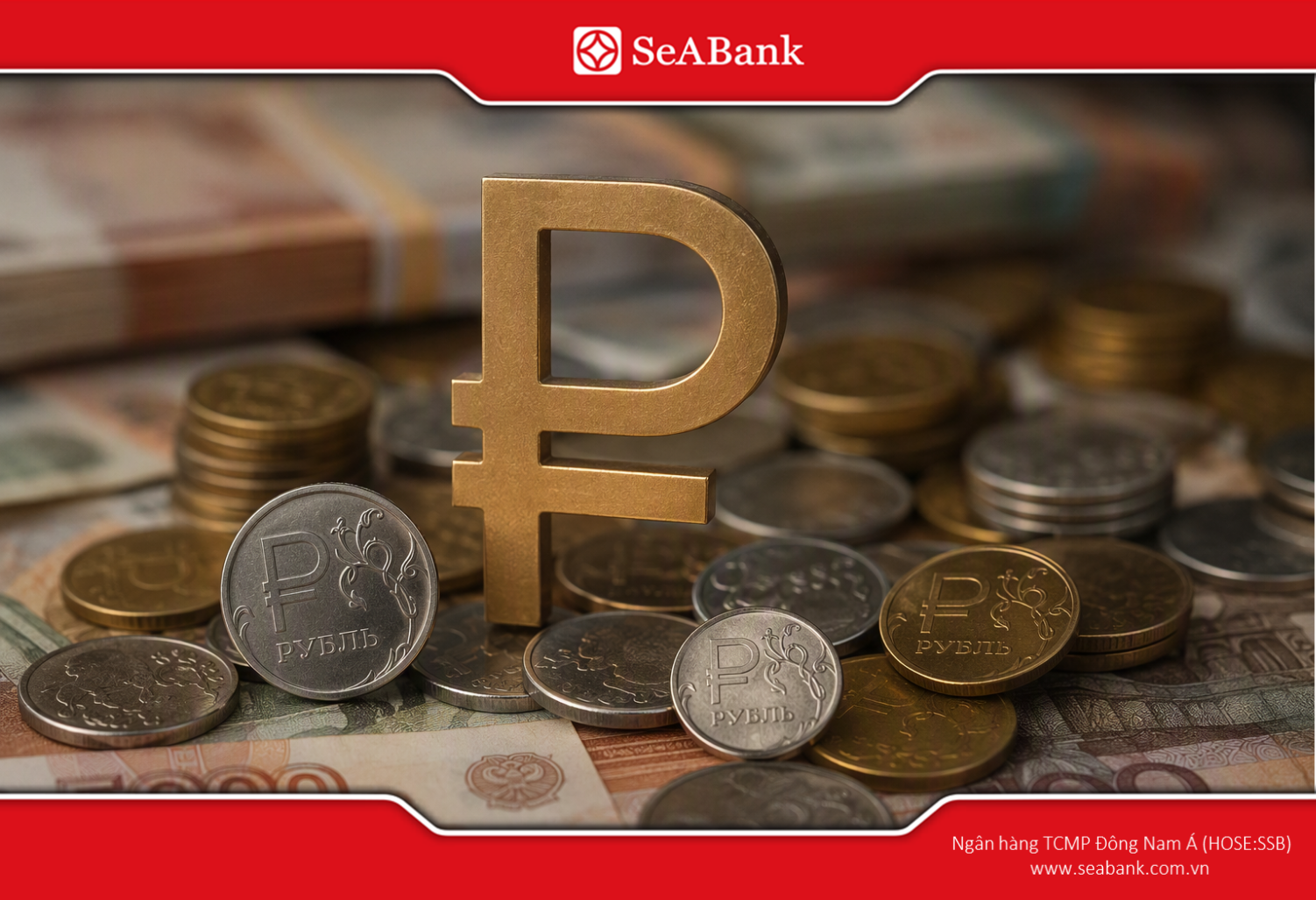
Russian Currency: Denominations, Exchange Rates, and How to Exchange Russian Rubles
Learn about Russian currency (Ruble), including its denominations, the current RUB/VND exchange rate, where to exchange money, and tips for exchanging Rubles when traveling to Russia. Find out more with SeABank.
09/10/2026
Read more
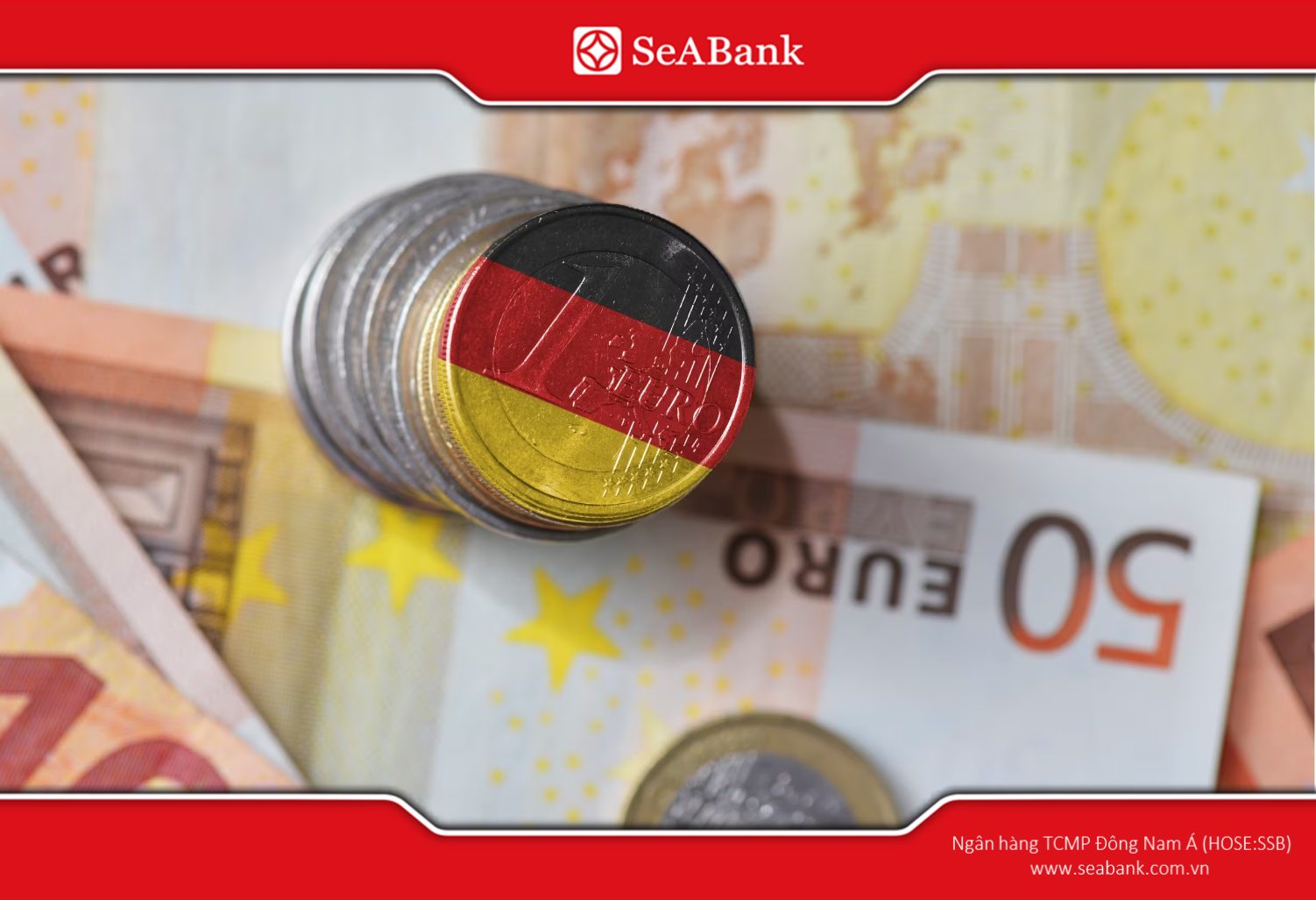
What Is German Currency? Denominations, Exchange Rates, and How to Convert to Vietnamese Dong
Germany's currency is the euro (EUR). Learn about German currency denominations, the EUR/VND exchange rate, where to exchange money, and how to receive money from Germany in Vietnam via SeABank.
09/10/2026
Read more