News
How to Transfer Money from Japan to Vietnam Safely and in Compliance with Regulations in 2026
 02/10/2026
An overview of ways to transfer money from Japan to Vietnam, including SWIFT bank transfers, online apps, and remittance companies, along with a convenient guide to receiving money from Japan through SeABank.
Every month, Vietnamese people living, studying, and working in Japan need to send money to support their families back home. Understanding the ways to transfer money from Japan to Vietnam, estimated costs, and transaction procedures will help you make transfers conveniently, securely, and in compliance with regulations. This article provides a detailed overview of popular transfer methods, relevant legal regulations, and a guide to receiving remittances through SeABank.
1. Ways to Transfer Money from Japan to Vietnam
There are currently three main methods for transferring money from Japan to Vietnam. Each method has its own advantages, disadvantages, and procedures, making it suitable for different needs in terms of transfer amount, speed, and cost.
Method 1: Transferring Money from Japan to Vietnam via International Bank Transfers (SWIFT Network)
This method is carried out through the global interbank network. Senders can make transactions at bank counters or through the Mobile Banking apps of banks providing services in Japan.
- Advantages: High security, transparency, and clear transaction documentation, making it suitable for large transfers.
- Disadvantages: Higher transfer fees (including fees charged by the sending bank, intermediary banks, and receiving bank); processing may take several business days.
How to Send Money:
- Prepare the recipient’s information in Vietnam: Full name (without Vietnamese diacritics), account number, receiving bank’s name (e.g., SeABank), and SWIFT/BIC Code (SeABank’s code is SEAVVNVX).
- Visit a transaction counter or log in to the bank’s app in Japan to enter the beneficiary’s information.
- Enter the transfer amount, carefully review all information, and confirm the transfer.
- Keep the receipt or transaction reference number for tracking and verification when needed.
Method 2: Transferring Money through Online Financial Service Apps
Senders can use services provided by licensed financial service providers in Japan that support transfers to Vietnam (such as DCOM Money Express, Smiles, SBI Remit, Wise,,,,)
- Advantages: Transactions can be completed entirely on a mobile phone. Some apps offer Vietnamese-language interfaces, and processing times are relatively fast.
- Disadvantages: Registration and transaction procedures can be relatively complicated, and transfer limits vary depending on each provider’s regulations.
How to Send Money:
- Download the app and register for an account using your Residence Card and any other required documents.
- Add the recipient’s information in Vietnam (account number, receiving bank’s name, and full name without Vietnamese diacritics).
- Deposit money into the app account (via ATM, bank transfer, or card) and initiate the transfer.
- Track the transaction status in the app until the money is credited to the recipient’s account.
Method 3: Transferring Money through International Remittance Companies (MoneyGram, Western Union, etc.)
This method is carried out through agent networks or online platforms of licensed international remittance companies. It offers flexibility in how beneficiaries in Vietnam can receive money.
- Advantages: Extensive network of transaction locations; recipients in Vietnam can choose to receive cash or have the money transferred to their bank accounts.
- Disadvantages: Service fees and exchange rates may vary depending on the transaction time and receiving method.
How to Send Money:
- Visit an agent location or access the remittance company’s app in Japan to enter the sender’s and recipient’s information.
- Pay the transfer amount along with the service fee, then receive a Money Transfer Reference Number (MTCN / Reference Code).
- Send this reference number to the recipient in Vietnam.
- The recipient can bring their identification documents to an agent location (such as SeABank) to collect cash, or enter the reference number in the SeAMobile app to receive the money directly into their account.
Note: Fees and exchange rates may change depending on the transaction time and each provider’s policies. You should check official information from the bank or service provider to ensure you have the latest and most accurate details.

2. Legal Regulations and Transfer Limits from Japan
When transferring money from Japan to Vietnam, you should be aware of documentation requirements in Japan and tax policies in Vietnam.
Documentation and Verification Requirements in Japan
- Residency Verification: Senders must have a valid and unexpired Residence Card (Zairyu Card) to register for and use the service.
- Proof of Source of Funds: For large transfers exceeding annual limits, service providers in Japan may request supporting documents such as tax statements or employment contracts.
- Transaction Limits: Each bank and money transfer provider applies its own transaction limits in accordance with internal policies and Japanese law. You should check these limits before making a transaction.
Tax Policies for Recipients in Vietnam
- For Remittances: Under Clause 7, Article 4 of the 2025 Personal Income Tax Law, personal remittances received from abroad from relatives who are Vietnamese citizens residing, working, or studying overseas are exempt from personal income tax.
- For Other Sources of Funds: If the money received originates from business activities, service provision, salaries/wages, inheritance, or gifts from foreign organizations or individuals,... the recipient may still be required to declare and pay personal income tax in accordance with current regulations.
3. Important Considerations When Transferring Money from Japan to Vietnam
- Choose Official Channels: Prioritize banks or licensed organizations. Avoid informal personal money transfer arrangements with unclear sources to reduce the risk of violating foreign exchange regulations or losing your funds.
- Check the Total Cost: Costs include transfer fees and JPY/VND exchange rate differences. You should confirm the actual amount the beneficiary will receive before completing the transaction.
- Enter Accurate Information: The recipient’s full name should be entered without Vietnamese diacritics (e.g., NGUYEN VAN A) and must match their identification documents and bank account details to avoid transaction inquiries or corrections.
- Keep Transaction Documents: Retain receipts and transaction reference numbers for reconciliation and verification when needed.

4. Frequently Asked Questions (FAQ)
1. How long does it take to transfer money from Japan to Vietnam?
SWIFT bank transfers generally take several business days. Transfers through online apps or remittance services are usually processed faster, and in some cases, the money may be received on the same day. Actual processing times depend on the service provider and transaction time.
2. Should I receive money in foreign currency or VND?
This depends on your needs. If you need to spend the money in Vietnam, you can choose to convert it into VND. If you want to save in foreign currency, you can open a foreign currency account at a bank.
3. What information do I need to receive money through SeABank?
You need to provide the sender with the bank’s English name (Southeast Asia Commercial Joint Stock Bank), SWIFT Code SEAVVNVX, your account number, and your SeABank account holder name in uppercase without Vietnamese diacritics.
4. Where can I track incoming transactions?
You can check balance updates and transaction history directly on the SeAMobile app at any time.
Choosing the right way to transfer money from Japan to Vietnam helps ensure that your transfer is secure, cost-effective, and completed on time. Whether you choose a SWIFT bank transfer, an online app, or a remittance company, you should prioritize official channels and enter the recipient’s information accurately. To learn more about remittance receiving methods and opening an account to receive money conveniently, visit SeABank’s Money Receiving Service in Vietnam.
Related News
How Much Is 1 Tael Of Gold? Update Today's Gold Price And Notes 09/10/2026
Russian Currency: Denominations, Exchange Rates, and How to Exchange Russian Rubles 09/10/2026
What Is German Currency? Denominations, Exchange Rates, and How to Convert to Vietnamese Dong 09/10/2026
What Is a Dynamic QR Code? Comparison with Static QR Codes and How to Create One 09/10/2026
How to Create a Bank QR Code on SeAMobile in Just 3 Steps 09/10/2026
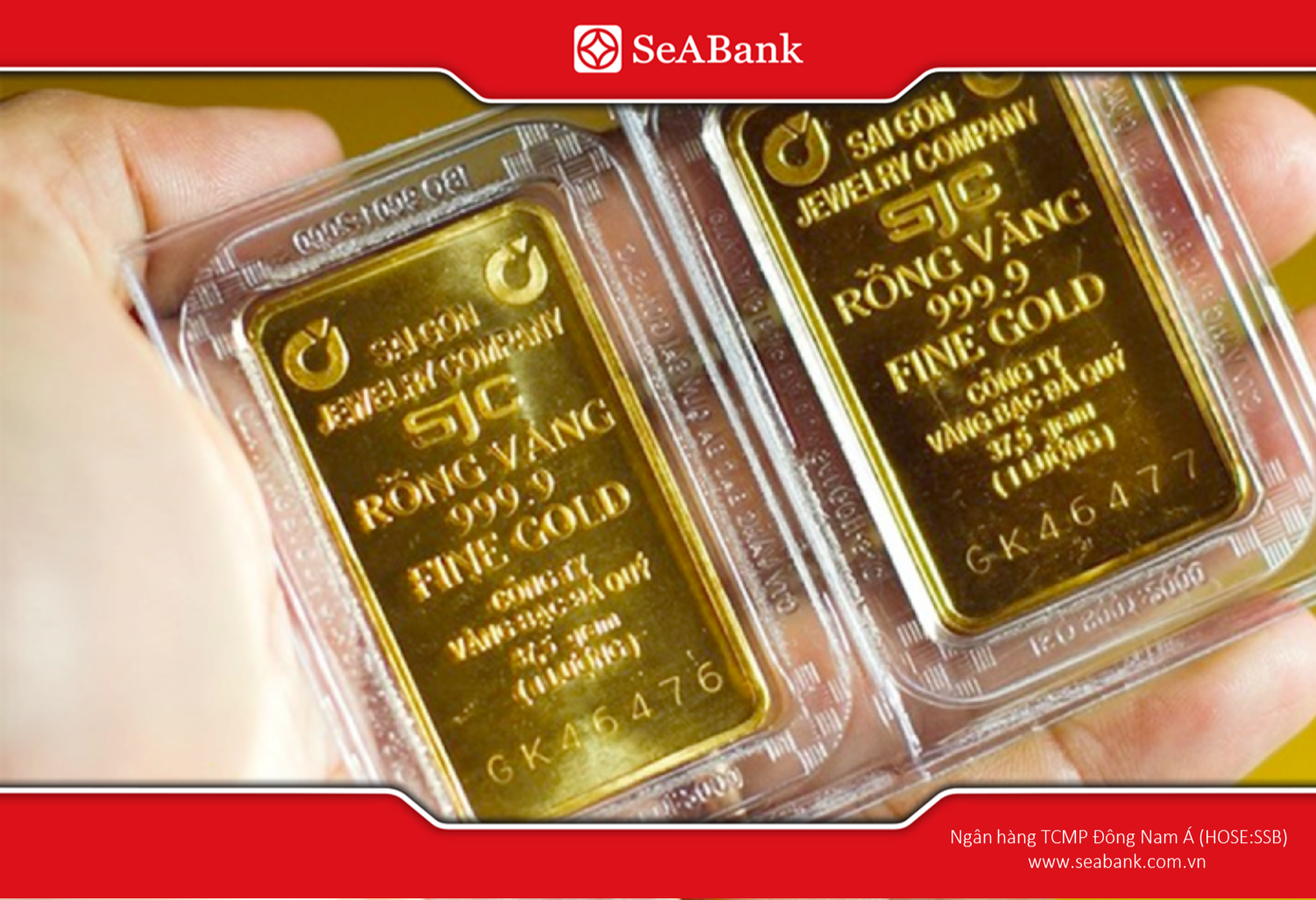
How Much Is 1 Tael Of Gold? Update Today's Gold Price And Notes
How much is 1 tael of gold? Update the latest price of 1 tael of 9999, 24K, 18K gold today and instructions on how to calculate and buy gold safely and reliably.
09/10/2026
Read more

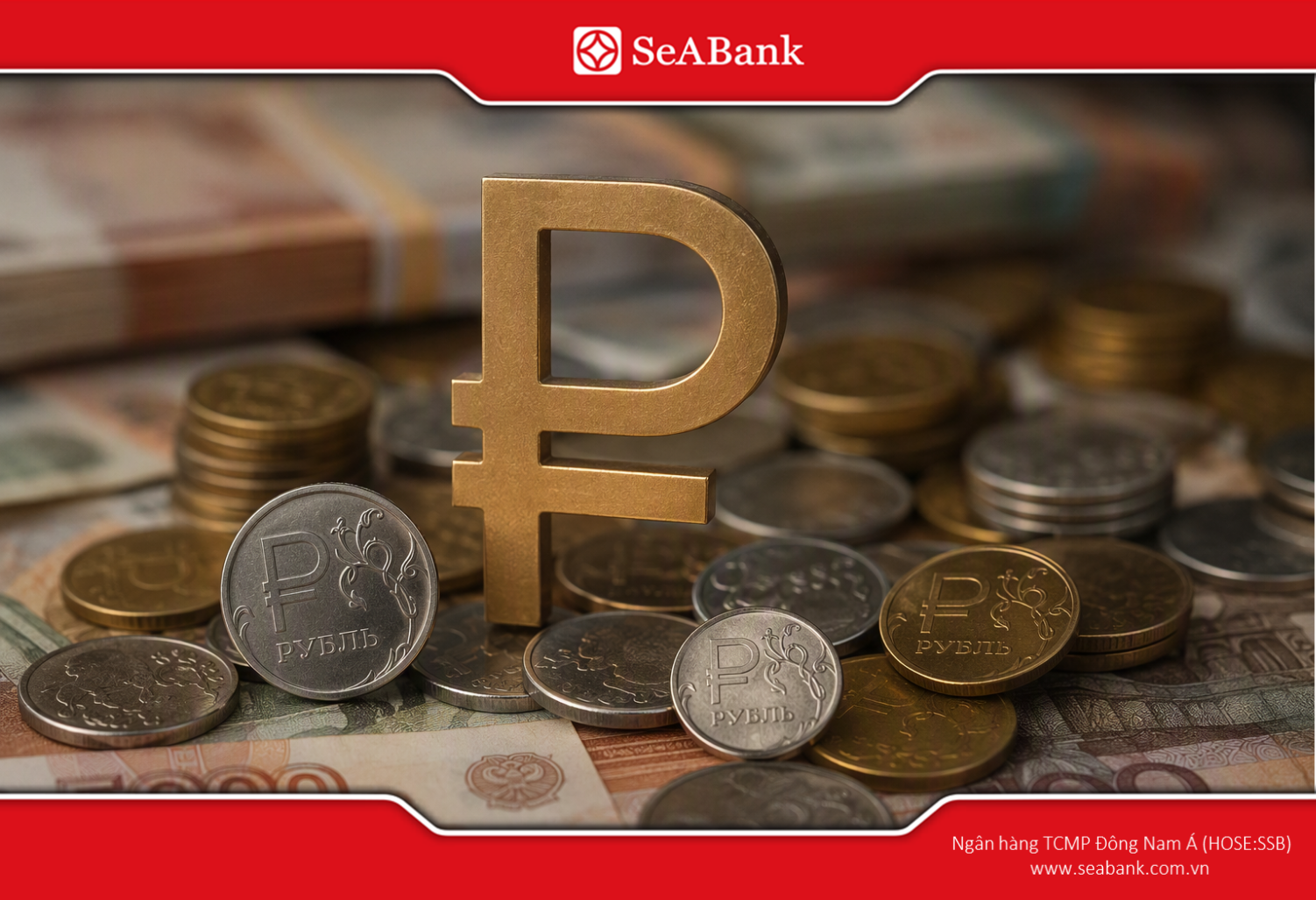
Russian Currency: Denominations, Exchange Rates, and How to Exchange Russian Rubles
Learn about Russian currency (Ruble), including its denominations, the current RUB/VND exchange rate, where to exchange money, and tips for exchanging Rubles when traveling to Russia. Find out more with SeABank.
09/10/2026
Read more
What Is German Currency? Denominations, Exchange Rates, and How to Convert to Vietnamese Dong
Germany's currency is the euro (EUR). Learn about German currency denominations, the EUR/VND exchange rate, where to exchange money, and how to receive money from Germany in Vietnam via SeABank.
09/10/2026
Read more