News
How to Invest in Gold Effectively: Principles and Mistakes to Avoid
 23/10/2026
Learn how to invest in gold based on the right principles: distinguish common types of gold and avoid common mistakes made by beginners. Read the article now!
The right way to invest in gold is not simply to buy and wait for the price to rise. Investors need to understand the nature of the asset, distinguish between different forms of gold investment, and establish clear risk management principles. As gold prices experienced several periods of sharp volatility throughout 2026, understanding the fundamentals and updating your financial strategy for the year-end period can help you avoid emotional decisions.
1. What Is Gold Investment? Nature, Types of Gold, and Forms of Investment
Gold investment is essentially a way of storing value in a highly liquid asset that is considered a safe-haven option during periods of economic and financial volatility. Unlike stocks or bonds, gold does not generate regular cash flow (dividends, interest). Returns mainly come from the difference between buying and selling prices over time.
To invest effectively, investors first need to clearly distinguish between common types of physical gold and understand the legal status of each form of gold investment in the market.
1.1. Common Types of Physical Gold for Accumulation
- SJC gold bars: Gold cast into bars with a specific brand, serial number, and standard gold purity of 99.99%. This is an option for large-scale, long-term asset accumulation thanks to its high purity, strong ability to preserve value, and clear legal status.
- Plain gold rings (9999 gold): These have purity equivalent to gold bars but a simpler design. This type of gold is highly liquid and easy to buy and sell in small units (from 0.5 chi to several chi), making it highly suitable for people who accumulate gold periodically based on their monthly income.
- Gold jewelry (18K, 14K, 10K...): Other metals are added to increase hardness and allow different designs to be crafted. This type of gold mainly serves decorative purposes. When reselling it, investors have to bear workmanship costs and significant value loss, so it is not suitable for investment and asset accumulation purposes.
1.2. Other Forms of Gold Investment
In addition to traditionally holding physical gold, the market also offers several other ways to gain exposure to gold prices.
Buying Gold Online / Account-Based Gold via Apps
- Nature: This involves placing orders to buy gold or trading based on gold price differences through mobile applications (apps) provided by certain businesses or trading platforms.
- Current Legal Status in Vietnam:
- For savings apps offered by reputable gold businesses: Some major brands allow customers to "buy gold online" (lock in the price online and store the gold in a warehouse or collect the physical gold later). In essence, this form is still a prepaid transaction involving physical gold.
- For account-based gold trading platforms / Gold Forex platforms: Under regulations of the State Bank of Vietnam, account-based gold trading activities and online gold exchanges for individuals are currently not licensed for operation. Participating in unofficial online gold trading platforms carries extremely high risks of fraud and platform collapse, and investors will not be protected by law in the event of disputes.
Gold ETF Fund Certificates & Shares of Gold Companies (Indirect Forms)
- Gold price-tracking ETF funds: These are fund certificates that invest in gold or track global gold price indices. In Vietnam, domestic gold ETF products are not yet common and mainly exist in international markets.
- Gold industry stocks: Buying shares of listed companies operating in gold and precious metal mining and trading.
Note: The investment performance of this group depends on management capability, business results, and stock market movements, and does not necessarily move 100% in line with physical gold prices.
2. Current Gold Price Movements and Factors to Monitor
2.1. Latest Gold Price Update
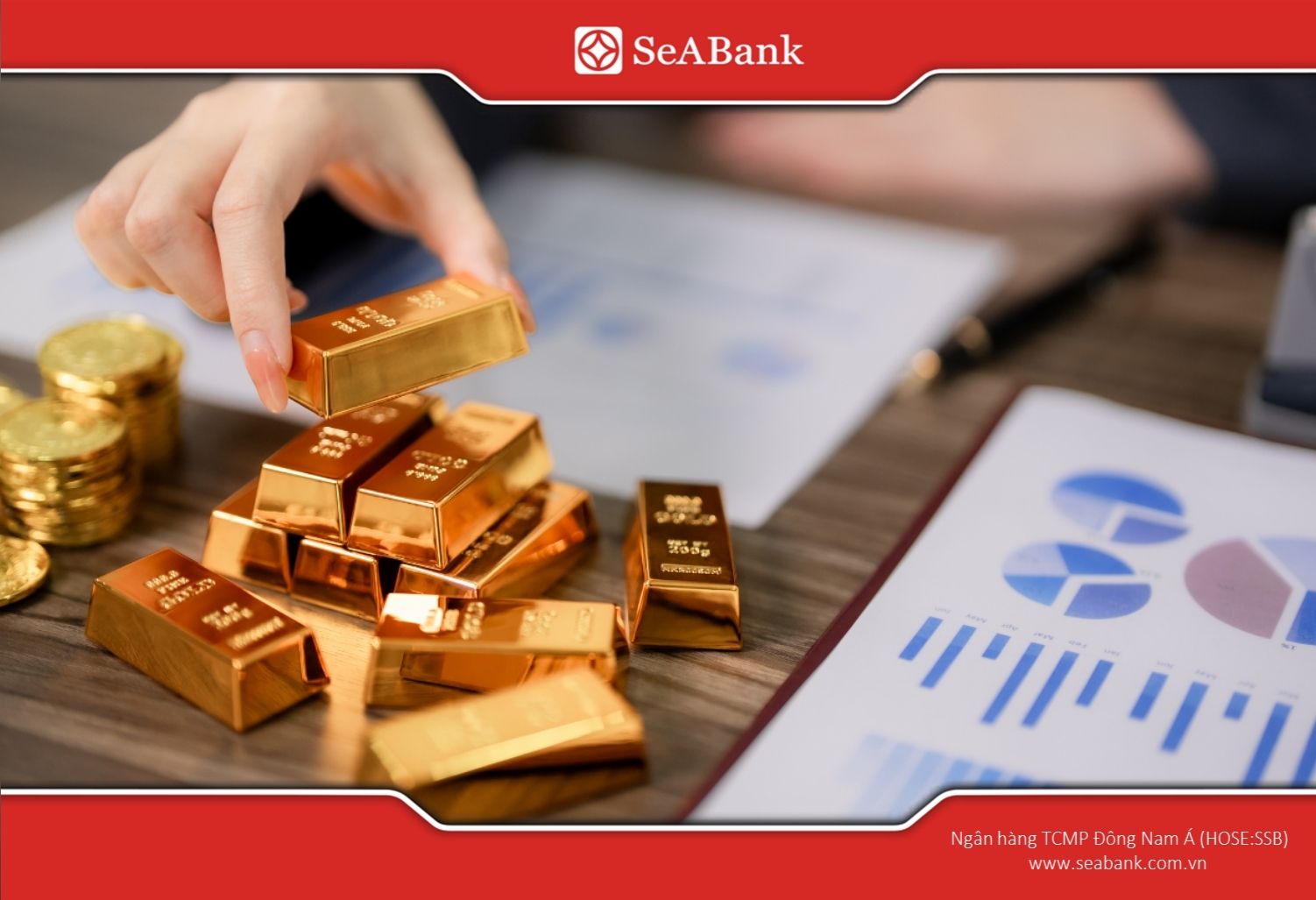
According to data recorded in October 2026, domestic SJC gold bars were trading at around 140.1 - 143.1 million VND/tael (buying - selling), while plain 9999 gold rings in units of 1-5 chi ranged from approximately 139.3 - 142.3 million VND/tael (*). In the global market, spot gold prices are fluctuating and consolidating within the range of 4,150 - 4,180 USD/ounce.
Notably, the gold market in 2026 experienced very large price swings: after reaching a record high of more than 5,500 USD/ounce in January, global gold prices underwent a deep correction to below 4,000 USD/ounce in the middle of the year before recovering and maintaining a sideways consolidation trend during the fourth quarter of 2026.
(*) Gold price data was updated as of October 2026, is for reference only, and fluctuates continuously between trading sessions. Investors should check official listed prices at reputable gold businesses for the latest and most accurate information before making transactions.
2.2. Factors Affecting Gold Prices
Gold prices are affected by many factors:
- Interest rate policy and employment data from the US Federal Reserve (Fed)
- USD exchange rate fluctuations
- Geopolitical tensions
- Central banks' demand for buying/selling gold reserves
When expectations of Fed interest rate increases decline, gold prices are often supported because the opportunity cost of holding gold decreases. Conversely, when the USD strengthens or US bond yields rise, gold prices often come under downward pressure.
3. "Golden" Principles for Investing in Gold
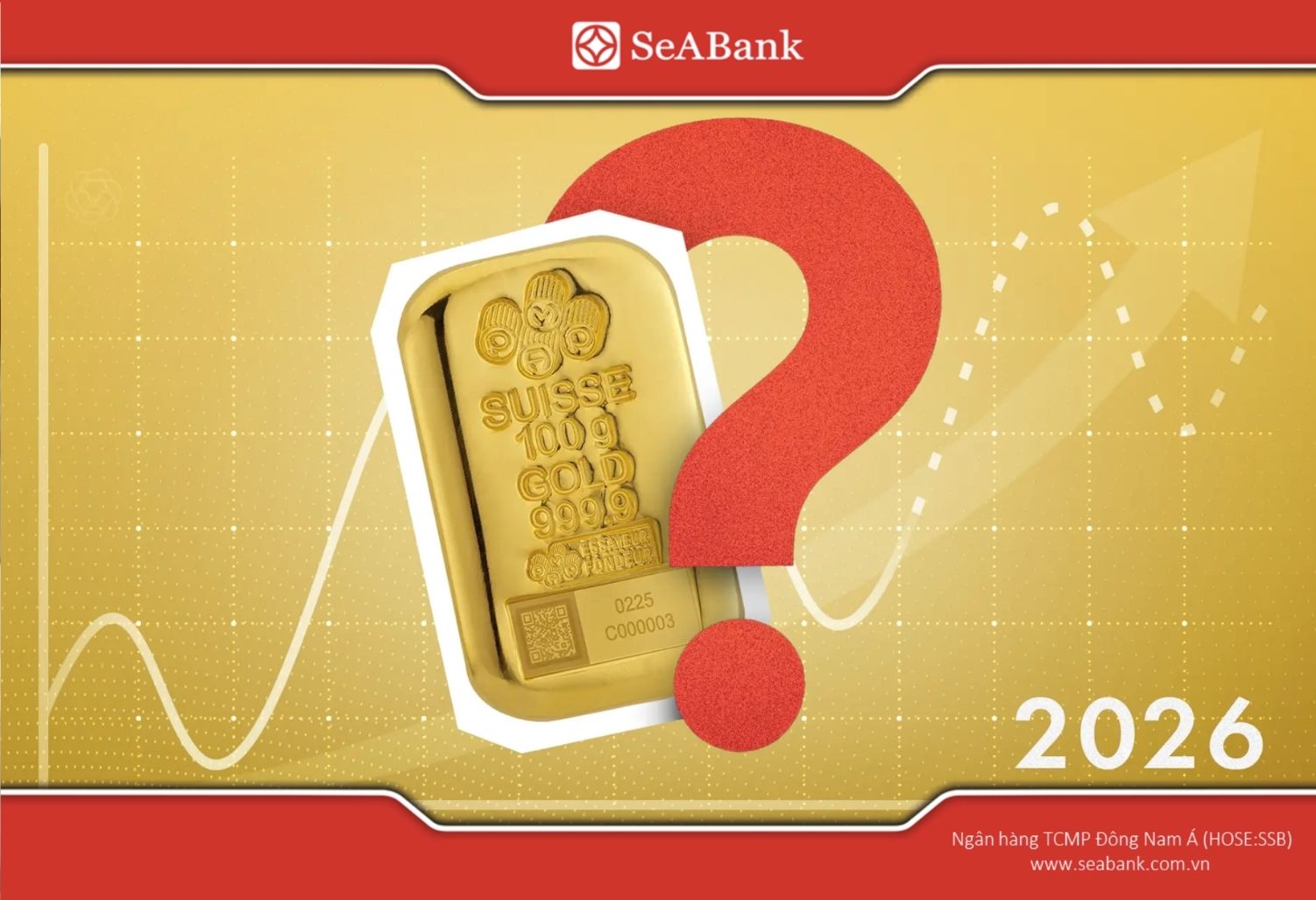
3.1. Do Not Buy When Gold Prices Are "Surging"
When gold prices rise sharply within a short period, fear of missing out (FOMO) often causes many people to rush into buying at peak prices. The correction from the January peak to the June 2026 low shows that buyers who entered at high prices could face temporary losses of tens of millions of VND per tael if they needed to sell early.
3.2. Monitor Price Charts Using Fundamental and Technical Analysis
Fundamental analysis helps evaluate gold based on macroeconomic factors such as inflation, monetary policy, and geopolitical instability. Technical analysis focuses on price charts and historical trading volumes to identify support and resistance levels, helping investors make more reasonable buying/selling decisions instead of relying on emotional judgment.
3.3. Apply a Dollar-Cost Averaging (DCA) Strategy
Instead of allocating all capital at one time, investors can divide the amount into smaller portions and buy gold periodically on a weekly or monthly basis, regardless of whether prices rise or fall. This approach helps average the purchase price over time, reduce risks from short-term volatility, and avoid falling into the "buy high, sell low" trap.
3.4. Choose Reputable Places to Buy and Sell Gold
You should trade with reputable and licensed gold brands and businesses that provide invoices and clear commitments regarding gold quality and purity to avoid the risk of buying gold with incorrect purity or difficulty reselling it.
Important note: The principles above are for reference and risk management purposes only and do not guarantee 100% returns. The gold market is always subject to complex fluctuations caused by unexpected macroeconomic factors. You should conduct your own research and carefully consider your personal financial capacity before deciding to invest.
4. Mistakes to Avoid When Investing in Gold
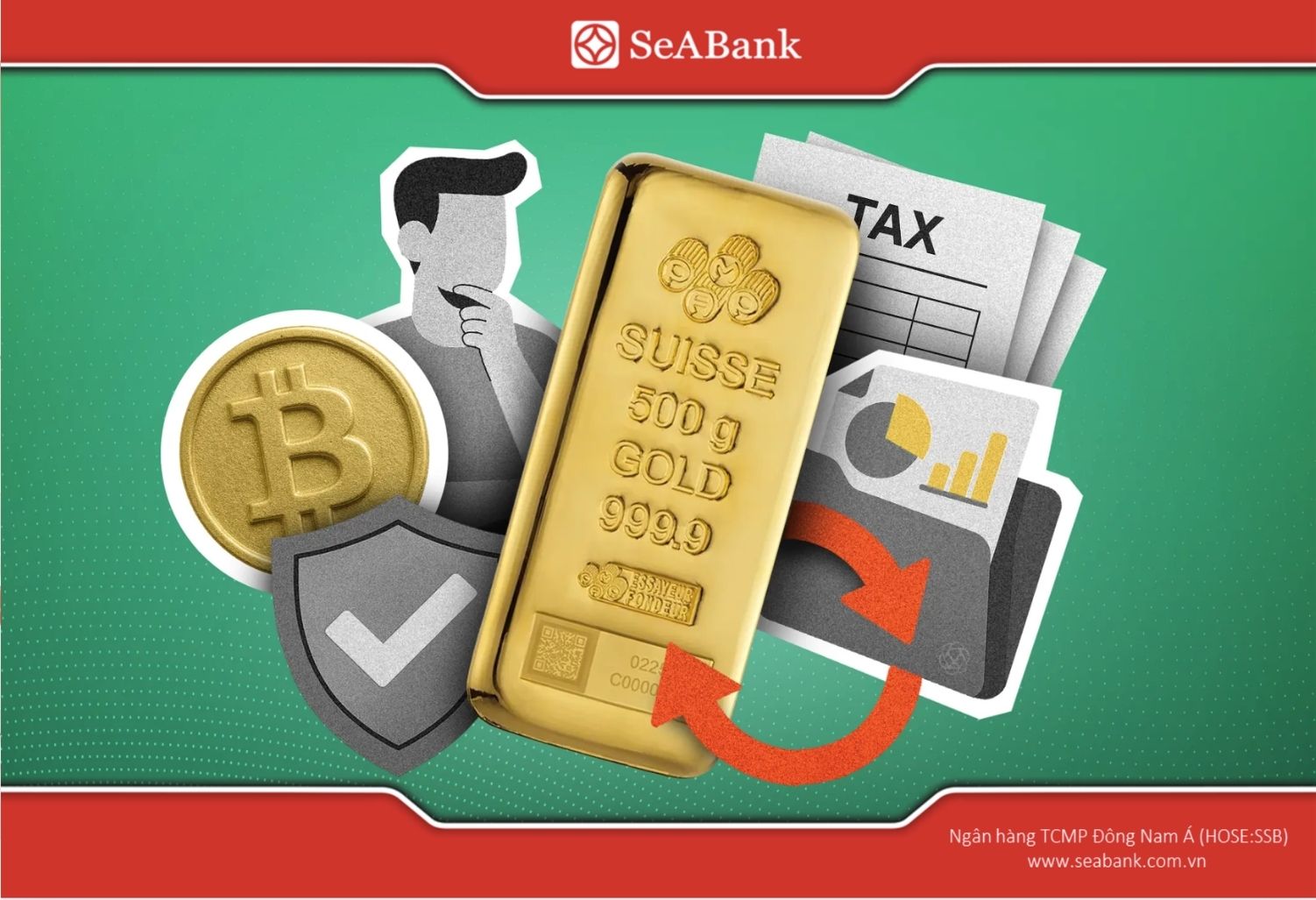
4.1. Buying Gold Jewelry for Investment
Many people confuse the purpose of wearing jewelry with the purpose of storing value and choose to buy gold jewelry because they believe it can both be worn and preserve capital. However, workmanship costs and value loss when reselling mean that gold jewelry is generally not optimal for long-term investment purposes.
4.2. Following the Crowd
Buying and selling based on rumors or following the majority without a clear financial plan can easily cause investors to buy when prices are high and sell when prices are low due to panic, instead of acting according to a predetermined strategy.
4.3. Using Borrowed Funds or Money Needed for Expenses to Invest
Gold investment should only use idle funds that do not affect essential spending needs or emergency reserves. Using borrowed funds or money that may be urgently needed to invest in gold could force investors to sell when prices are falling, leading to unplanned losses.
5. Comparing the Effectiveness of Gold Investment with Fixed Accumulation Options Such as Bank Savings Deposits
(**) Interest rates were updated as of October 2026 and are for general market reference only. You should check official information from the bank for the latest and most accurate updates.
Expert Recommendation: Which Investment Option Should You Choose?
There is no single formula that applies to everyone. Based on the characteristics of each option, financial experts recommend that the most optimal solution is to diversify your portfolio and allocate capital appropriately according to your risk tolerance:
- Accumulating assets through gold: You should maintain a moderate proportion for defensive purposes and to hedge against long-term inflation and currency depreciation risks.
- Bank savings deposits: Maintain savings as a financial foundation to ensure a stable and secure source of cash flow, helping you manage more easily when spending needs arise or unexpected investment opportunities appear.

6. Frequently Asked Questions About Gold Investment
1. Should You Invest in Gold Bars or Gold Rings?
Gold bars are suitable for people who want to accumulate assets over the long term and prioritize clear legal status and high liquidity when trading large quantities. Plain gold rings are more suitable for people with limited capital who want to accumulate gradually based on their monthly income because they can flexibly buy and sell small units of gold.
2. When Is a Suitable Time to Buy Gold?
There is no absolute answer regarding the ideal time to buy gold because it depends on the macroeconomic situation, inflation, exchange rates, and personal financial goals. The general principle is to avoid buying when prices are rising sharply due to crowd psychology and to closely monitor market movements before making a decision.
3. Is Gold Investment Absolutely Safe?
Gold is considered a relatively safe-haven option over the long term, but in the short term gold prices can still fluctuate sharply, as developments in 2026 have shown. Therefore, investors still need to manage risk and should not consider gold their only investment option.
4. Should You Borrow Money to Invest in Gold?
No. You should only use idle funds to invest in gold and avoid using borrowed funds because if gold prices fall when you need to repay the debt, you may suffer a double loss from both loan interest and the loss incurred when selling the gold.
5. Should You Invest in Gold or Make a Bank Savings Deposit?
It depends on each person's risk tolerance and financial goals. Gold is suitable for hedging against inflation and diversifying assets, while savings deposits are suitable for preserving capital, earning stable interest, and maintaining flexible cash flow. Many people choose to combine both options to balance their portfolio.
Understanding how to invest in gold not only helps you make better use of opportunities to earn returns but also limits risks when the market experiences unpredictable fluctuations, as seen from the beginning of 2026 until now. Understanding the nature of different investment forms, following buying and selling principles, and avoiding crowd psychology will provide an important foundation for a sustainable financial strategy, whether you choose gold, savings deposits, or a combination of both.
Related News
What Is a Savings Account? Types and a Quick Guide to Opening One 13/11/2026
What Is Online Savings? How to Save and 6 Important Notes 13/11/2026
How to Make an Online Savings Deposit Easily and Earn Attractive Returns 05/11/2026
What Is Flexible Savings? Comparison with Traditional Savings 05/11/2026
Online Land Tax Payment: 2 Quick and Compliant Methods 05/11/2026

What Is a Savings Account? Types and a Quick Guide to Opening One
What is a savings account and how is it different from a payment account? Learn about common types of savings deposits, their benefits, and how to open an account online or at a branch.
13/11/2026
Read more


What Is Online Savings? How to Save and 6 Important Notes
What is online savings? Learn about its advantages, how to open a savings account on a banking app, and important notes on interest rates, security, and deposit insurance for online savings in this article.
13/11/2026
Read more

How to Make an Online Savings Deposit Easily and Earn Attractive Returns
Learn how to make an online savings deposit on SeAMobile in 4 steps, including requirements, interest rates, early withdrawal, and deposit insurance.
05/11/2026
Read more