News
3 Safe and Cost-Effective Ways to Transfer Money Internationally: A Detailed Guide
 02/10/2026
What are the different methods of international money transfer, how much do they cost, and what documents are required? Explore this detailed guide to making safe and cost-effective transactions.
International money transfers are increasingly common among people studying, working, or settling abroad, as well as those conducting cross-border business. However, not everyone is familiar with the available transfer methods, how fees are calculated, or the required documentation. This article will walk you through the process to help you choose the most suitable, secure, and cost-effective option for each transaction.
1. Common International Money Transfer Methods Today
Depending on your purpose, transfer amount, and urgency, you can choose one of the following transaction methods.
1.1. Money Transfer Via The Banking System (SWIFT)
This is a traditional method used by many banks and financial institutions worldwide for both personal and business transactions. Funds are transferred through the SWIFT international interbank network, from the sender's bank to the recipient's bank, potentially passing through one or more intermediary banks.
- Advantages: High security, flexible transfer limits, and suitability for legitimate purposes such as overseas education, immigration, inheritance, and family support.
- Disadvantages: Slower processing times (several business days) and more complex documentation requirements compared with other methods.
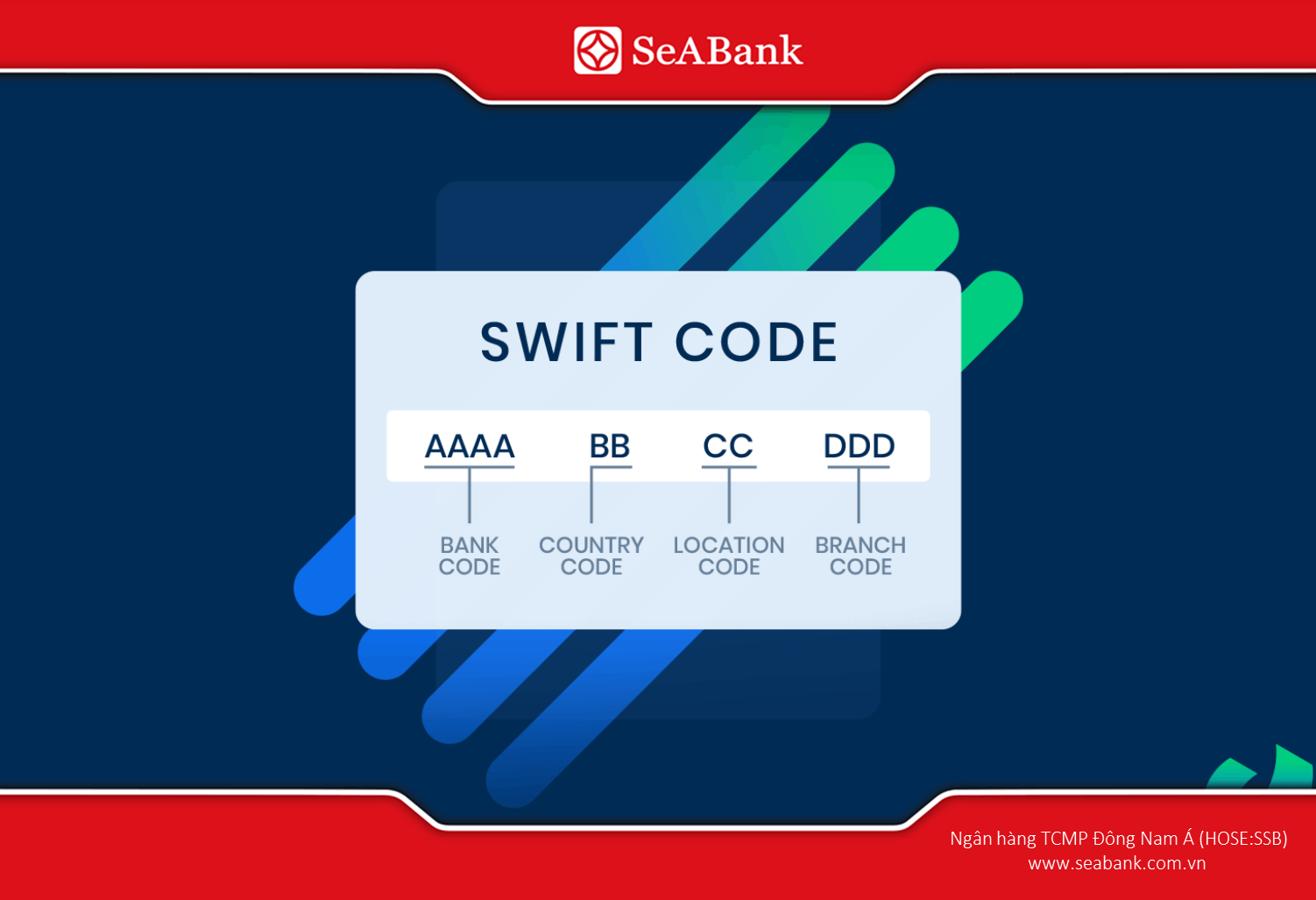
- How to transfer: Visit a bank branch or make a transfer through a banking app. You will need to provide the recipient's details (account number, SWIFT code, and beneficiary bank name), along with supporting documents proving the purpose of the transfer as required.
1.2. Transfers via International Money Transfer Services (Western Union, MoneyGram)
These are intermediary providers specializing in cross-border cash transfers and collections through extensive agent networks, such as Western Union and MoneyGram.
- Advantages: Fast receipt of funds, suitable for small-value transfers, and no bank account required for the recipient.
- Disadvantages: Fees per transaction may be higher than those for bank transfers, and transfer limits may apply to each transaction.
- How to transfer: Visit an authorized service location, present your identification documents, and provide the recipient's details to complete the transaction.
1.3. Transfers via E-Wallets and International Fintech Apps
This is an emerging trend favored by many young people and freelancers for its convenience. Financial technology platforms enable fully online transfers, converting and sending funds to the recipient's overseas bank account or e-wallet.
- Advantages: 100% online transactions, with exchange rates and fee schedules usually displayed transparently at the time of the transaction.
- Disadvantages: Transfer limits may apply to each account, and some countries or transaction types may not be fully supported.
- How to transfer: Register for an account on the platform, complete identity verification as required, then enter the recipient's details and the amount to be transferred.

2. What Are the Costs of an International Money Transfer?
When making a transaction, the total cost you pay typically includes the following:
- Money Transfer Service Fee: A fixed fee or a percentage of the transfer amount, as determined by the service provider.
- Foreign Exchange Rate Margin: The difference between the market reference exchange rate and the exchange rate applied to your transaction.
- Intermediary Bank Fees: Applicable to SWIFT transfers when a transaction passes through one or more intermediary banks before reaching the destination account.
3. What Documents Are Required for an International Money Transfer?
The documentation required for sending money abroad varies depending on the purpose of the transaction. However, you generally need to prepare the following:
- Identification Documents: A valid Citizen Identity Card or passport.
- Recipient Information: Full name, address, account number, SWIFT code, and beneficiary bank name.
- Documents Proving the Purpose of the Transfer: Depending on the specific purpose, such as education (tuition fee notices, admission letters), immigration (immigration visa documents), family support (proof of relationship), or inheritance (inheritance distribution documents).
- Money Transfer Request Form: The form provided by the service provider.
Preparing complete and accurate documentation from the outset helps ensure that your transaction is processed promptly and reduces the likelihood of repeated requests for additional documents.
4. Tips for Making Safe and Cost-Effective International Money Transfers
- Compare Exchange Rates and Fee Schedules: Before making a transaction, compare the fee schedules and foreign currency buying and selling rates offered by different service providers.
- Choose a Suitable Fee Payment Option: For SWIFT transfers, choosing the OUR option (where the sender pays all fees) ensures that the recipient receives the full agreed amount.
- Prepare Accurate Recipient Information: Even a single incorrect character in the SWIFT/BIC code, account number (IBAN), or bank name can cause a transaction to be held or returned, resulting in additional fees.
- Choose a Reputable International Money Transfer Provider: Make transactions through licensed banks or organizations with clear procedures and transparent exchange rates and fee schedules.
- Avoid Unauthorized Money Transfer Services: Do not use money transfer channels with unclear origins or without operating licenses to avoid the risk of fraud or account freezes.
5. FAQ – Frequently Asked Questions
1. How long does an international money transfer take? Processing time depends on the transfer method. SWIFT transactions typically take several business days, while money transfer service providers and fintech platforms may be faster, depending on each provider's policies and the recipient country.
2. Do I need to provide proof of the purpose of an international money transfer? Yes. Under current foreign exchange management regulations, most transfers abroad require supporting documents demonstrating a legitimate purpose, such as education, immigration, family support, or inheritance.
3. What is the difference between SHA and OUR fees for international money transfers? With SHA fees, the sender and recipient share the transaction fees. With OUR fees, the sender covers all costs so that the recipient receives the full transfer amount.
4. Is there a limit on how much money can be transferred abroad? Yes. Transfer limits depend on the purpose of the transaction, foreign exchange management regulations, and the policies of each service provider at a given time.
5. How do I choose a suitable international money transfer method? You should consider the transfer amount, urgency, costs, and desired level of security. You should also compare fee schedules and exchange rates between providers before making a decision.
To make international money transfers safely and cost-effectively, you should understand the available transaction methods, know how fees are calculated, and prepare all required documentation. Whether you are transferring money for education, immigration, family support, or work, choosing a reputable provider and carefully comparing costs beforehand will help ensure that your transaction is processed smoothly, complies with regulations, and is cost-effective.
Related News
How Much Is 1 Tael Of Gold? Update Today's Gold Price And Notes 09/10/2026
Russian Currency: Denominations, Exchange Rates, and How to Exchange Russian Rubles 09/10/2026
What Is German Currency? Denominations, Exchange Rates, and How to Convert to Vietnamese Dong 09/10/2026
What Is a Dynamic QR Code? Comparison with Static QR Codes and How to Create One 09/10/2026
How to Create a Bank QR Code on SeAMobile in Just 3 Steps 09/10/2026

How Much Is 1 Tael Of Gold? Update Today's Gold Price And Notes
How much is 1 tael of gold? Update the latest price of 1 tael of 9999, 24K, 18K gold today and instructions on how to calculate and buy gold safely and reliably.
09/10/2026
Read more

Russian Currency: Denominations, Exchange Rates, and How to Exchange Russian Rubles
Learn about Russian currency (Ruble), including its denominations, the current RUB/VND exchange rate, where to exchange money, and tips for exchanging Rubles when traveling to Russia. Find out more with SeABank.
09/10/2026
Read more
What Is German Currency? Denominations, Exchange Rates, and How to Convert to Vietnamese Dong
Germany's currency is the euro (EUR). Learn about German currency denominations, the EUR/VND exchange rate, where to exchange money, and how to receive money from Germany in Vietnam via SeABank.
09/10/2026
Read more