Latest 2026 Conditions for Buying USD from Commercial Banks
23/10/2026
Learn about the conditions for buying USD from commercial banks, required documents, transaction procedures, and practical tips to help you purchase foreign currency in compliance with regulations.
Many people think that buying USD at a bank only requires Vietnamese dong and identification documents. However, in practice, depending on the purpose of purchasing foreign currency and the transaction method, banks may require customers to provide documents proving their need to use foreign currency in accordance with regulations. Learn about the conditions for buying USD from banks with SeABank in the article below.
Note: The figures and information in this article are compiled from general market sources and do not apply exclusively to SeABank's products.
1. Conditions for Buying USD from Banks
Eligible individuals: Under Vietnamese law, Vietnamese citizens or foreign nationals who are residents in Vietnam and have a legitimate need to purchase foreign currency may be considered by authorized commercial banks.
Legitimate purpose of use: Customers must be able to prove that the purpose of purchasing USD falls within current transactions, capital transactions, or other legitimate spending needs permitted under foreign exchange management regulations.
Legitimate source of funds used to purchase USD: In addition to clearly identifying the purpose of use, you need to prove the source of the money used to purchase foreign currency. The funds may come from:
Personal income (salary, bonuses, business profits,...)
Bank savings deposits
Other legitimate sources of income as prescribed by law
Note: For high-value transactions or transactions showing signs that require further review, banks have the right to request customers to provide additional specific documents to prove the source of funds used for payment.
In addition to clearly identifying the purpose of use, you need to prove the source of the money used to purchase foreign currency
2. Documents Required for Each Specific Purpose
Note: Depending on the purpose of use, in addition to identification documents as prescribed (valid Citizen ID/Identity Card/Passport), the required documents may vary. Below are some reference documents:
2.1. Buying USD for Travel, Visiting Relatives, or Business Trips Abroad
Documents to prepare:
Round-trip air tickets, hotel booking confirmation, or a business trip assignment decision/invitation letter to attend a seminar from abroad (if traveling for business).
Documents proving family relationship (if visiting relatives).
Foreign currency purchase request form according to the bank's template.
2.2. Buying USD for Overseas Study or Medical Treatment
Documents to prepare:
Documents proving expenses payable to a foreign educational institution or medical facility (tuition fee notice, hospital bill, estimated living expenses,...).
Documents proving the student's/patient's legal residence status abroad (admission letter, student visa, medical treatment acceptance letter).
Foreign currency purchase request form according to the bank's template.
2.3. Buying USD for Settlement Abroad or Inheritance Purposes
Documents to prepare:
Documents issued by a competent foreign authority permitting settlement, or documents proving lawful inheritance rights in accordance with Vietnamese and international law.
Documents proving the lawful source of funds in Vietnam.
Foreign currency purchase request form according to the bank's template.
3. Limits and Methods of Providing USD
Method of receiving funds: Banks may sell USD in cash (usually for travel or business trip needs, with cash limits complying with regulations on carrying foreign currency when leaving the country) or transfer the funds directly to a bank account abroad (for overseas study, medical treatment, settlement, or commercial payments).
Cash limit: For personal cash purchase needs (such as travel or business trips), banks will provide an appropriate amount based on the duration and actual expenses of the trip, while also complying with current regulations on carrying foreign currency cash through border checkpoints.
Limit for overseas transfers: Similar to the cash limit, the purchase and transfer amount is determined based on the actual costs stated in notices/invoices issued by foreign educational or medical institutions (including tuition fees and hospital fees), or the value stated in purchase contracts, commercial invoices,...
Advice: Before visiting a transaction counter, you should contact the bank's call center or branch in advance to receive accurate advice on the required documents, check the current selling exchange rate, and confirm whether the branch has enough USD cash available for your needs.
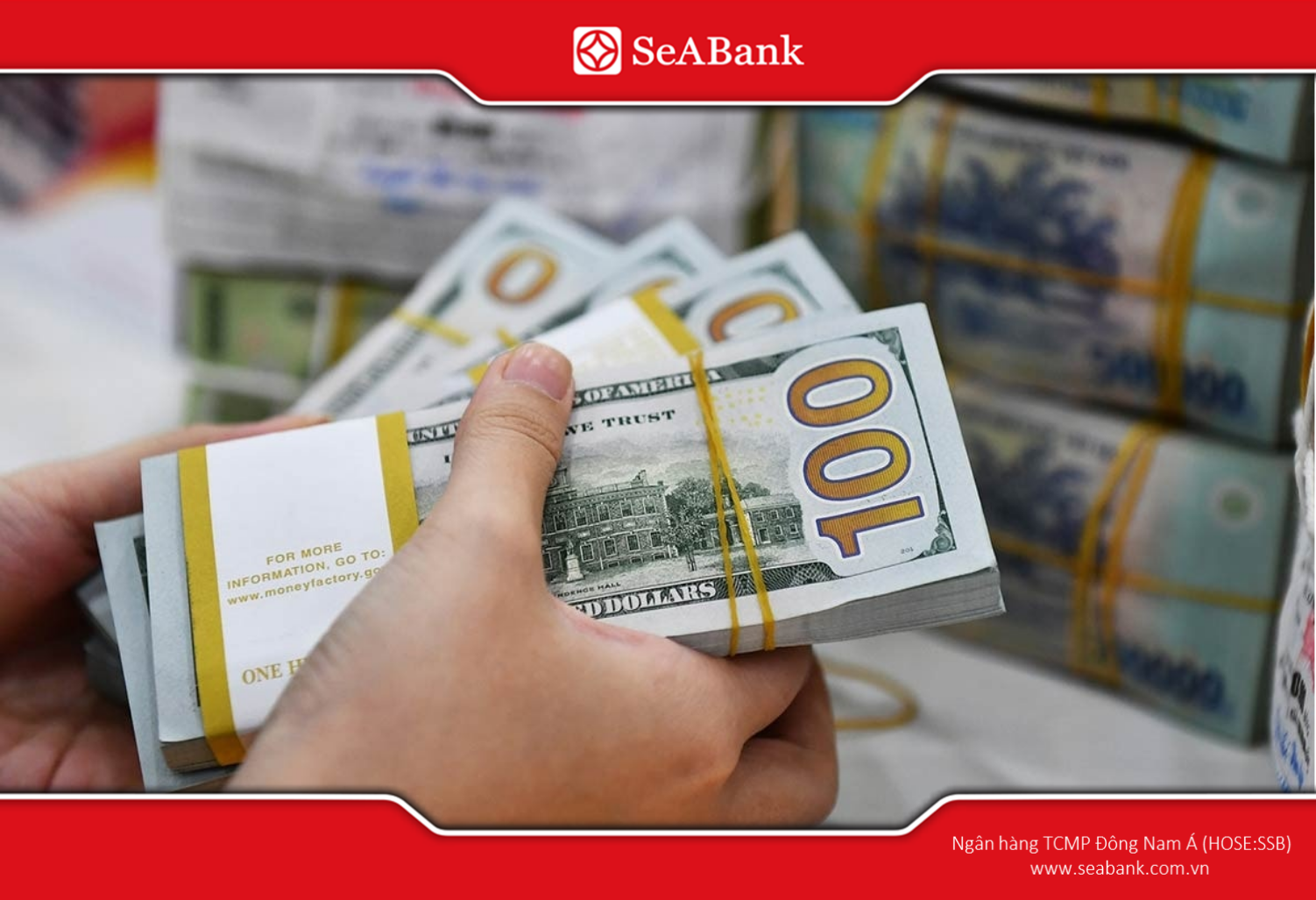
Banks may sell USD in cash (usually for travel purposes
4. Procedure for Buying USD at Commercial Banks
The steps below are for general reference. The specific procedure may vary from one bank to another.
Identify your needs: Choose the purpose, amount, and method of receipt (cash or overseas transfer).
Prepare the documents: Gather identification documents and supporting documents proving the purpose of use.
Check the exchange rate and fees: Review the listed exchange rate and related fees before making the transaction.
Submit documents and request the purchase: Visit a branch or transaction office, submit the documents, and sign the request form according to the bank's instructions.
Bank reviews and processes the transaction: Once the documents are valid, you make payment in Vietnamese dong and then receive USD or have the foreign currency transferred according to the registered purpose.
Do you need to purchase foreign currency? Contact the nearest SeABank branch or transaction office for advice on applicable conditions and required documents, and refer to the foreign exchange rates listed by SeABank.
5. Tips for Buying USD at Commercial Banks Quickly and Conveniently
Buying US dollars (USD) at commercial banks requires careful preparation of documents as well as a clear understanding of transaction procedures to save time. Below are practical tips to help you exchange and purchase USD at banks as smoothly as possible:
Contact the branch/transaction office in advance: Not every bank branch always has a large amount of USD cash available at the counter. Before visiting, you should call the bank's hotline in advance (for example: SeABank - 1900 555 587) to check whether the nearest branch has sufficient foreign currency cash available for your needs, helping you avoid unnecessary repeat visits.
Prepare complete and thorough supporting documents: Depending on the purpose of purchasing USD (travel, business trips, overseas study, or medical treatment), make sure you bring all required original documents together with copies for verification, such as your passport, air tickets, invitation letter, tuition fee notice, or documents proving the lawful source of funds. The clearer the documents, the faster the review and disbursement process at the counter.
Proactively check the selling exchange rate: Foreign exchange rates change continuously from day to day and hour to hour. You should monitor the online exchange rate table on the bank's official website before making the transaction to identify a favorable exchange rate or calculate the amount of Vietnamese dong you need to prepare.
If you are traveling or going on a short business trip, choose cash, but make sure to comply with the limit on carrying foreign currency cash through border checkpoints as prescribed.
If you are transferring money abroad for overseas study, family support, or settlement purposes, prioritize direct transfer to the beneficiary's overseas account to ensure maximum safety and avoid cash limits.
Visit the bank during convenient business hours: You should complete the procedures in the morning on weekdays (from Monday to Friday) so that foreign currency transactions have sufficient time to be reviewed, approved, and completed within the same day without interruption from weekend closures.
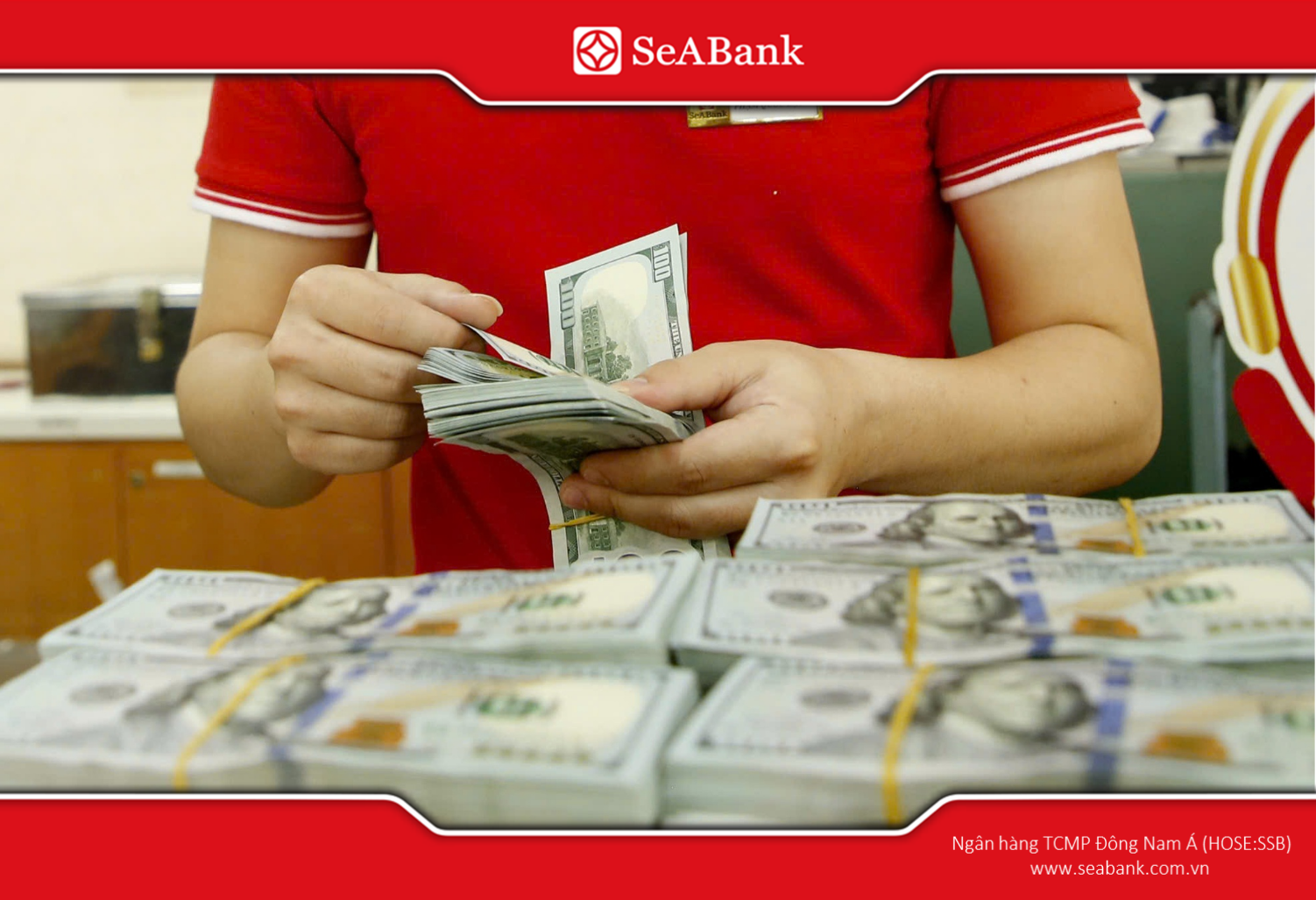
You should contact the branch/transaction office in advance
5. Frequently Asked Questions About Conditions for Buying USD from Banks (FAQ)
1. Are individuals allowed to buy USD for accumulation?
Individuals are permitted to hold and own USD, but they are not allowed to freely buy or sell USD cash at unauthorized locations or trade directly with each other on the informal market.
2. How much USD can I buy?
The amount depends on the purpose. For study and medical treatment, the amount that can be purchased is based on the expenses stated in the notice issued by the foreign party. For business trips, travel, or visits, the bank determines the amount based on your reasonable needs.
3. Should I buy USD in cash or by bank transfer?
Depending on the purpose and your needs, you can choose foreign currency cash to carry with you or make a bank transfer to pay expenses abroad. The bank will provide guidance on the method that best matches your documents.
Understanding the conditions for buying USD from banks helps you identify the correct purpose, prepare complete documents, and work with the bank more smoothly. You should monitor exchange rates and proactively ask the bank for information before making a transaction. If you need advice on purchasing foreign currency, contact the nearest SeABank branch or refer to the exchange rates listed on the SeABank website.
Southeast Asia Commercial Joint Stock Bank (SeABank)