News
Where to Exchange Foreign Currency: Good Rates, Safe and Legal
 09/10/2026
Where can you exchange foreign currency safely and legally? A roundup of licensed places to exchange currency in Vietnam, plus key tips before you transact.
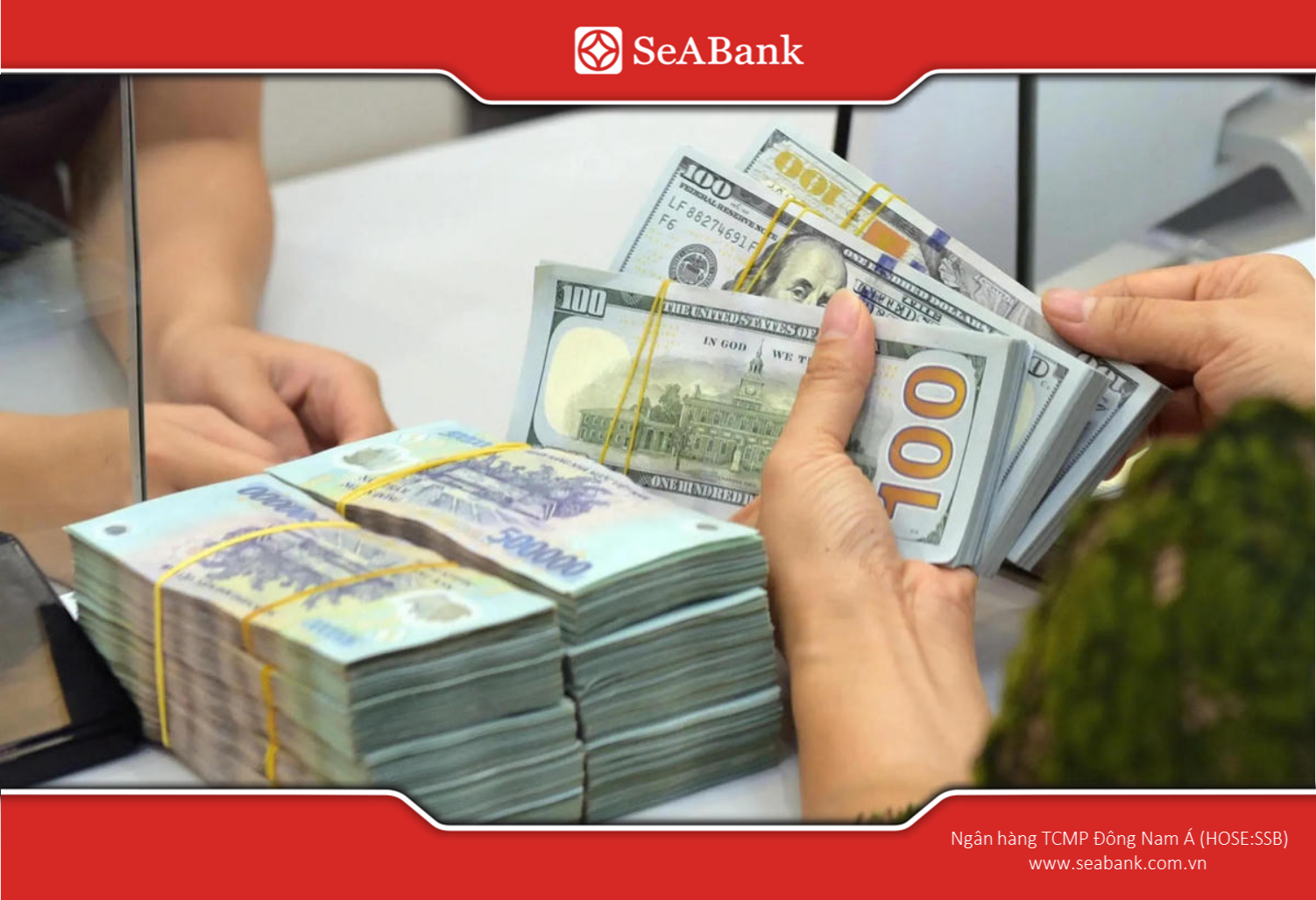
Where to exchange foreign currency in a way that is both convenient and legal is a question many people ask before a business trip, study abroad, or vacation overseas. Not every place that sells foreign currency is permitted to carry out this transaction, and exchanging money at an unlicensed location can expose you to legal risk. This article summarizes the most common legal places to exchange foreign currency in Vietnam for your reference.
1. Exchanging Foreign Currency at Commercial Banks
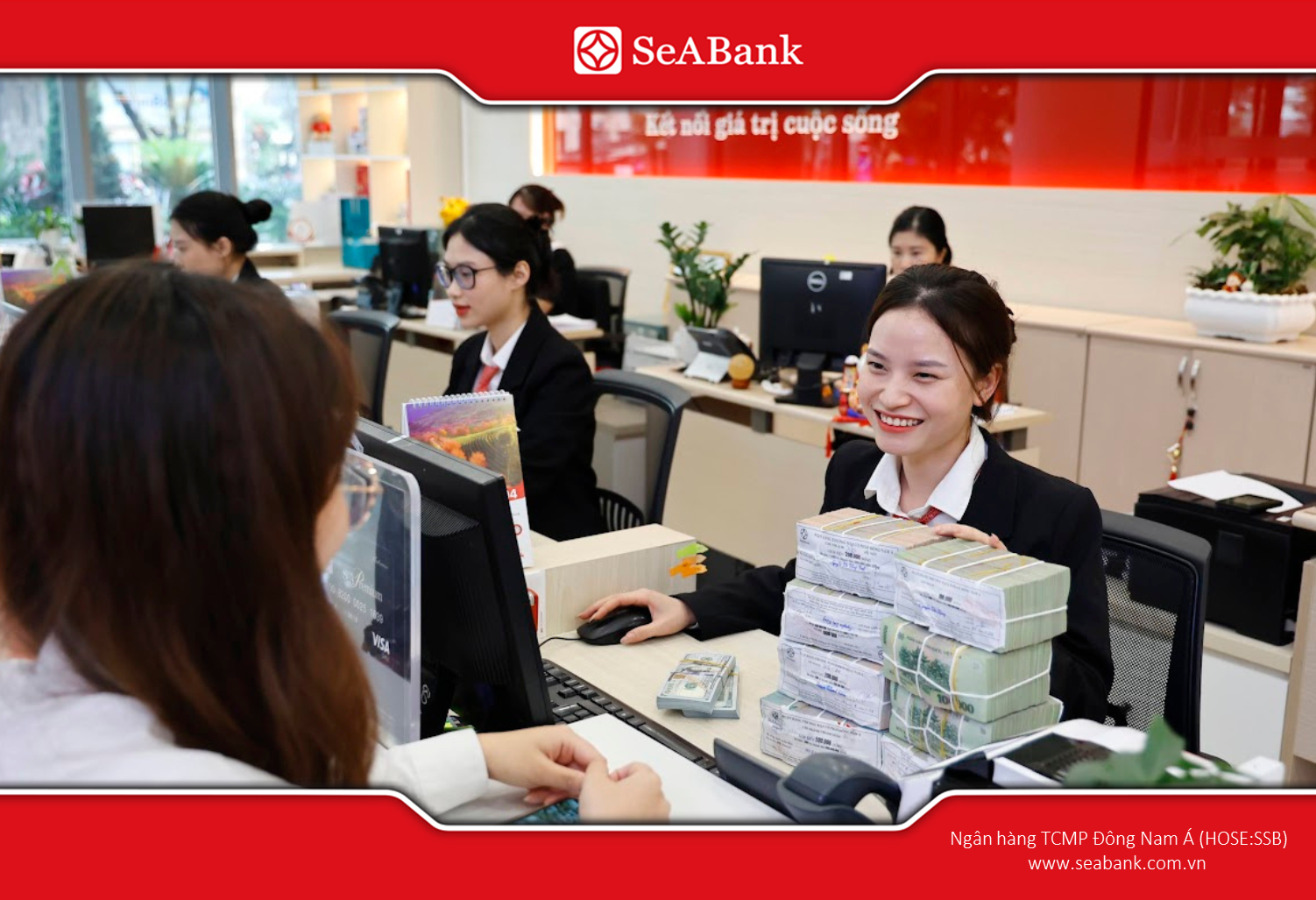
Commercial banks licensed by the State Bank of Vietnam to engage in foreign exchange activities are the official and most popular channel for exchanging foreign currency. Individuals holding legally owned foreign currency in cash may sell it to authorized credit institutions, and may also buy foreign currency in cash for legitimate purposes such as studying, receiving medical treatment, business trips, or travel abroad, in accordance with the State Bank's current regulations.
Advantages of exchanging foreign currency at a bank
- Exchange rates are publicly listed, transparent, and continuously updated.
- You receive a valid receipt or transaction document for reference when needed.
- A wide network of branches supports a variety of foreign currencies.
- Many banks let you check exchange rates, and even perform some transactions, directly in their digital banking apps.
Disadvantages of exchanging foreign currency at a bank
- When buying foreign currency to take abroad, you need to prepare documents proving the purpose of use, so the process can take longer than at other locations.
- Transaction hours depend on the bank's working hours, which are less flexible than some other exchange points.
- Smaller branches may not have large amounts of less common currencies in stock, so customers should contact them in advance.
Transaction guide
- Prepare your ID; if you are buying foreign currency to take abroad, also prepare documents proving the purpose of use.
- Go to a bank counter or use the digital banking app (if the bank supports this feature).
- Check the listed exchange rate and confirm the amount and type of currency to buy or sell.
- Receive the foreign currency along with a transaction receipt to keep.
Reference documents by purpose of buying foreign currency
- Study or medical treatment abroad: ID, and notice of expenses from the foreign side (tuition, hospital fees, living expenses, etc.).
- Business trips: ID, invitation letter or business trip assignment decision, and notice of related expenses (if any).
- Travel or visits abroad: ID, passport and visa of the destination country, and transport documents (flight tickets, etc.).
- Support for relatives abroad: documents proving the family relationship and documents proving the relative is residing abroad.
- Transfer of inheritance: documents related to the inheritance in accordance with the law.
- Settling abroad: documents proving permission to settle in the host country.
Note: Specific requirements may vary by bank and over time. Customers should contact the bank they plan to use for the most accurate guidance.
2. Currency Exchange Counters at Airports
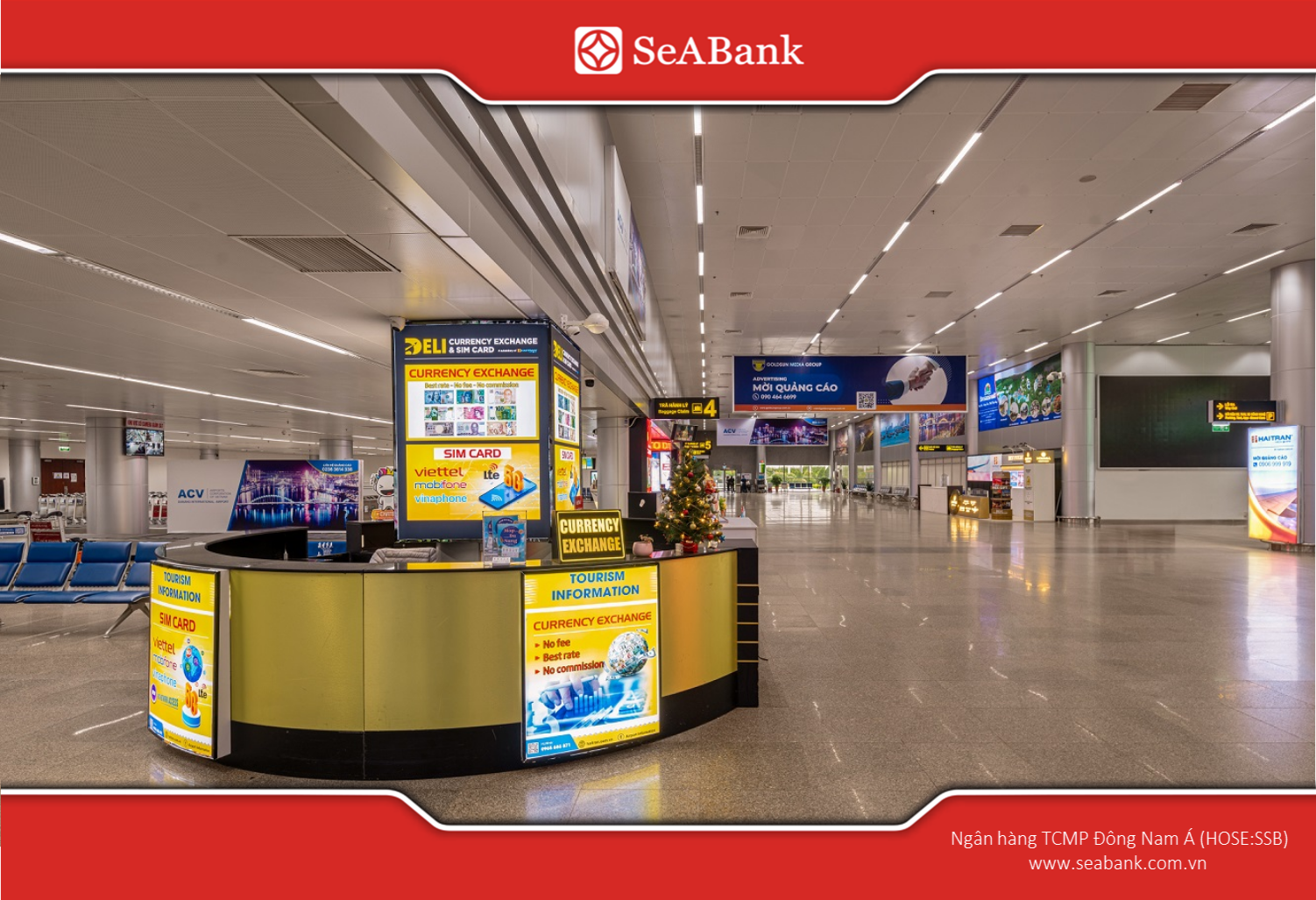
At international airports, currency exchange counters are usually operated directly by banks or by economic organizations authorized by banks to act as foreign currency exchange agents under current law. Many people turn to them when they need to exchange money right before a flight or just after arrival without having prepared in advance.
Advantages
- Located right at the airport, with no extra travel needed.
- Usually open according to flight schedules, including outside office hours.
- Quick, simple procedures, suitable for urgent exchanges.
Disadvantages
- Exchange rates are usually less competitive than at banks.
- The spread between buying and selling rates may be higher.
- Foreign currency supply at the counter is limited and cannot always meet large exchange needs.
Transaction guide
- Present your ID if the counter requires it.
- State the amount and type of currency you want to exchange.
- Check the exchange rate listed at the counter before confirming the transaction.
- Receive your money and receipt, and check the amount before leaving the counter.
For non-urgent exchanges, consider exchanging a small amount at the airport for temporary spending and the rest at a bank for a better rate.
3. Licensed Gold Shops and Currency Exchange Agents
Not every gold shop is allowed to buy and sell foreign currency. Under the regulations on conditions for foreign currency exchange agent activities, an economic organization (including a gold shop) may only provide cash foreign currency exchange services if it has been authorized as an agent by a licensed credit institution and its registration has been approved by the State Bank of Vietnam. Legitimate agents of this kind are usually located in hotels, tourist areas, and border gates, where demand for foreign currency exchange is high.
Advantages
- Usually located in convenient places such as tourist areas, city centers, and near hotels.
- Simple procedures with fast processing.
- Opening hours may be more flexible than banks.
Disadvantages
- Not every location is licensed. If you choose an unlicensed one by mistake, you may risk violating foreign exchange regulations.
- Exchange rates may differ between agents and are less consistent than in the banking system.
- It is hard to verify the legality of a location right away if you do not know the signs to look for.
Transaction guide
- Check the foreign currency exchange agent registration certificate or the sign of the authorizing bank, displayed publicly at the location.
- Refer to the exchange rate listed at the counter before transacting.
- Complete the transaction and ask for a receipt or invoice as confirmation.
- Keep the receipt for reference when needed.
Note: Buying or selling foreign currency at an organization that is not permitted to exchange foreign currency violates foreign exchange regulations and may result in administrative penalties under current regulations, with fines that increase with the value of the foreign currency traded, and the violating foreign currency may also be confiscated. Therefore, customers should prioritize exchanging foreign currency at banks or clearly licensed agents to avoid unnecessary legal risks.
4. Important Tips When Exchanging Foreign Currency
To make your currency exchange smooth and compliant with regulations, keep the following points in mind:
- Always carry valid ID (citizen ID card or passport) when making a transaction.
- Prepare complete documents proving the purpose of use if you are buying foreign currency to take abroad.
- Ask for a receipt or invoice after every transaction for future reference.
- If you have time, compare listed exchange rates at a few locations before deciding.
- Only transact at banks or clearly licensed agents, and avoid offers of unusually attractive rates from unclear sources.
Note: Foreign exchange rates change continuously with the time and market fluctuations. Customers should check the actual rate at the time of the transaction on the bank's official channels for the most accurate and up-to-date information.
5. Frequently Asked Questions (FAQs)
1. Do I need to prove the purpose of use when exchanging foreign currency at a bank? Yes. To buy cash foreign currency to take abroad, individuals must provide documents proving a purpose that complies with current regulations (study, medical treatment, business trip, travel, etc.). To sell foreign currency to a bank, the procedure is usually simpler and requires only your ID.
2. Is exchanging foreign currency at a gold shop always illegal? Not necessarily. If the gold shop is a foreign currency exchange agent authorized by a bank and registered with the approval of the State Bank of Vietnam, exchanging foreign currency there is legal. Otherwise, if the gold shop does not hold this authorization, buying and selling foreign currency there is considered a violation of foreign exchange regulations.
3. Are exchange rates at the airport good? Rates at airport exchange counters are usually less competitive than at banks because of operating costs and the on-the-spot nature of the service. You can exchange a small amount at the airport for temporary spending and exchange most of the rest at a bank.
4. Can I exchange foreign currency online without going to a counter? Some banks now let customers check exchange rates and perform certain foreign currency transactions directly in their digital banking apps, saving time compared with visiting a counter in person. Customers should look into the specific features of the app of the bank they use.
Overall, where to exchange foreign currency safely and legally depends on choosing a properly licensed location. Commercial banks remain the top priority, followed by airport counters and clearly licensed exchange agents. Preparing the necessary documents and doing your research before transacting will help you avoid unnecessary risks.
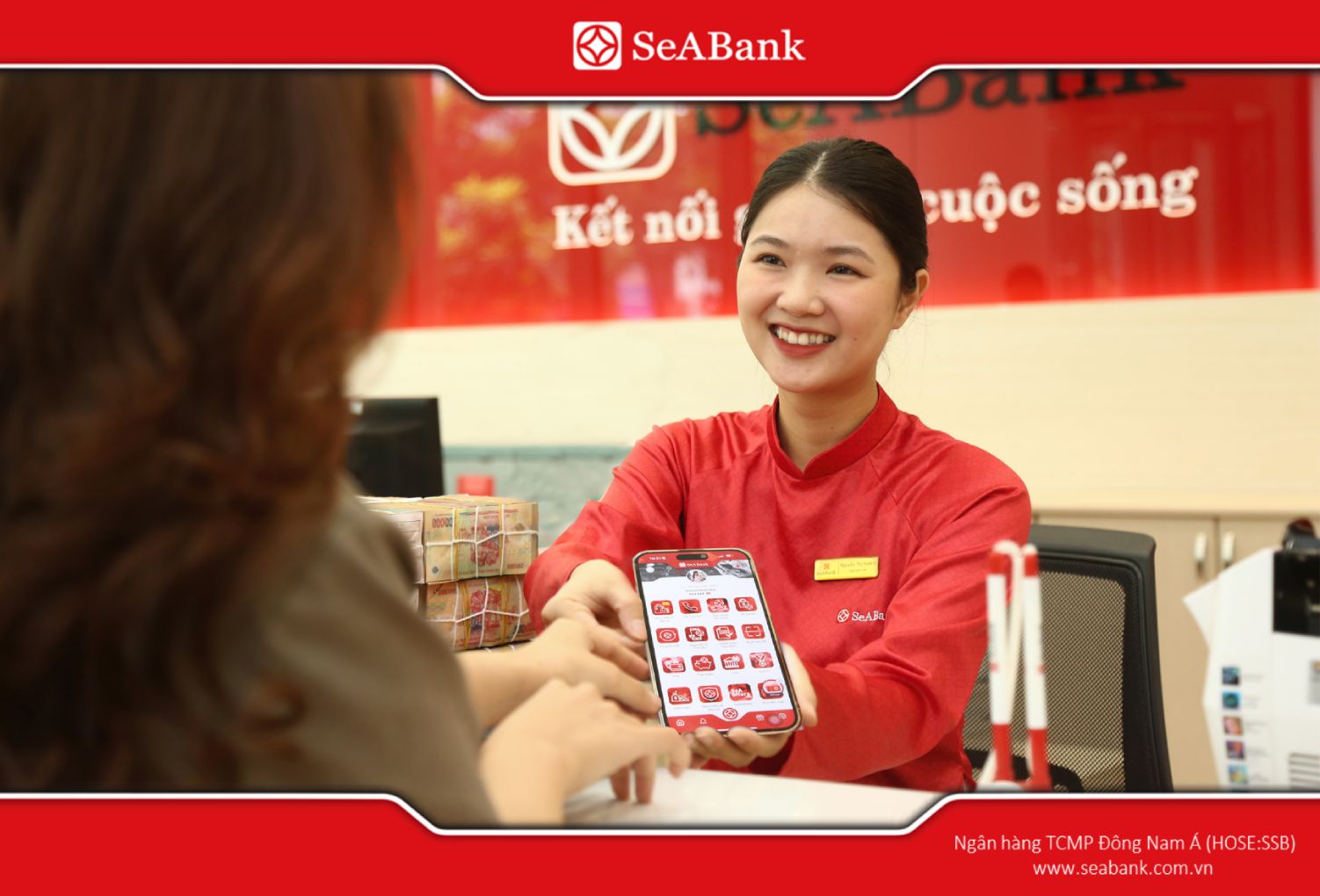
Beyond cash foreign currency exchange, SeABank also stands with you in connecting love and global finance. Whether it is quickly sending money to a child studying abroad, supporting a relative on a business trip far from home, or safely receiving remittances from MoneyGram, everything can be done smoothly on the SeAMobile app. Explore the solution now on the SeABank International Money Transfer Services page.
Related News
What Is a Savings Account? Types and a Quick Guide to Opening One 13/11/2026
What Is Online Savings? How to Save and 6 Important Notes 13/11/2026
How to Make an Online Savings Deposit Easily and Earn Attractive Returns 05/11/2026
What Is Flexible Savings? Comparison with Traditional Savings 05/11/2026
Online Land Tax Payment: 2 Quick and Compliant Methods 05/11/2026
What Is a Savings Account? Types and a Quick Guide to Opening One
What is a savings account and how is it different from a payment account? Learn about common types of savings deposits, their benefits, and how to open an account online or at a branch.
13/11/2026
Read more


What Is Online Savings? How to Save and 6 Important Notes
What is online savings? Learn about its advantages, how to open a savings account on a banking app, and important notes on interest rates, security, and deposit insurance for online savings in this article.
13/11/2026
Read more
How to Make an Online Savings Deposit Easily and Earn Attractive Returns
Learn how to make an online savings deposit on SeAMobile in 4 steps, including requirements, interest rates, early withdrawal, and deposit insurance.
05/11/2026
Read more