News
Where to Exchange Japanese Yen at a Reliable Place with a Good Exchange Rate in Vietnam and Japan?
 09/10/2026
Where can you exchange Japanese Yen safely and at a good exchange rate? Find reference exchange rates, reliable places to exchange Japanese Yen, and useful tips to know before exchanging money for your trip to Japan.
When preparing for a trip, overseas study, or business trip to Japan, one of the main concerns is where to exchange Japanese Yen at a good exchange rate, safely, and without paying excessive fees. Knowing reliable places to exchange money can help you save a considerable amount. This article provides a detailed overview of the best places to exchange Japanese Yen both in Vietnam and after arriving in Japan.
1. Is It Better to Exchange Japanese Yen in Vietnam or in Japan?
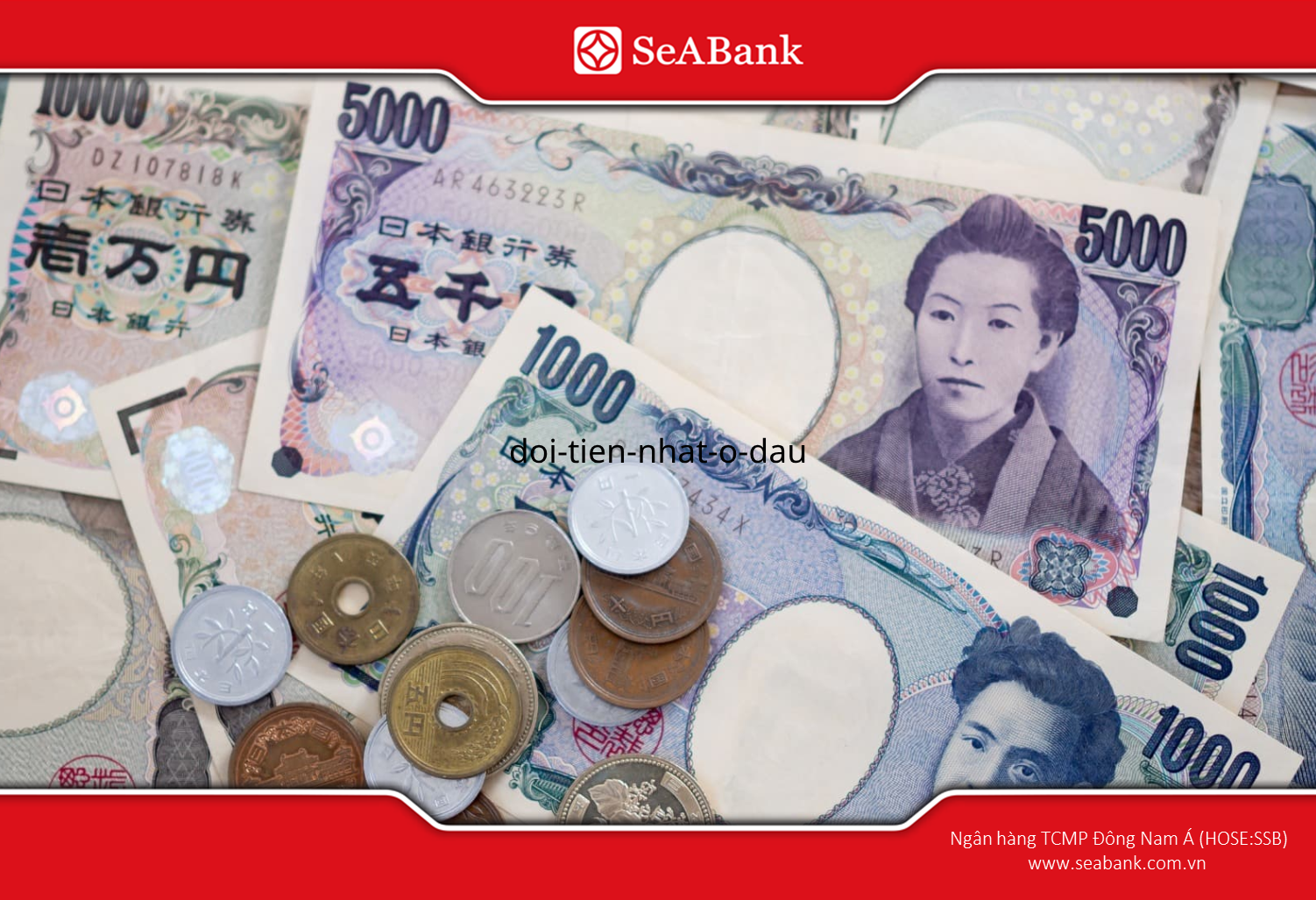
This is one of the first questions for anyone preparing to travel, study, or go on a business trip to Japan. In practice, you should exchange Japanese Yen in Vietnam before departure rather than waiting until you arrive in Japan.
- Why you should exchange money in Vietnam: Vietnamese Dong (VND) is not a commonly traded foreign currency at banks or currency exchange locations in Japan. If you bring VND to Japan, finding a place that accepts it for exchange can be difficult, the procedures may be more complicated, and the exchange rate is often less favorable.
- Alternative option: You can exchange a sufficient amount of Japanese Yen cash in Vietnam for initial small expenses (train tickets, light meals, airport taxis), while also carrying an international payment card (Visa/Mastercard) to withdraw cash or make card payments directly at service locations in Japan.
2. Where to Exchange Japanese Yen at a Reliable Place in Vietnam?
When exchanging money in Vietnam, you can choose from the following common options depending on your needs in terms of time and procedures:
2.1. Exchange Money at Commercial Banks
Banks are one of the safest and most legal options, providing a transparent solution to the question of where to exchange Japanese Yen.
- Advantages: High level of security and minimal risk of receiving counterfeit currency.
- Disadvantages: Procedures may be more stringent, and you need to bring your airline ticket, visa, or documents proving the purpose of your trip to Japan.
2.2. Exchange Money at Airport Counters
International airports such as Noi Bai, Tan Son Nhat, and Da Nang have bank-operated foreign currency exchange counters, making them suitable for situations where currency exchange is needed.
- Advantages: Convenient and available directly at international departure areas for travelers who forgot to exchange money in advance or urgently need additional cash at the last minute.
- Disadvantages: Airport exchange rates are generally less competitive, and service fees may be higher than those for transactions in city centers.
2.3. Exchange Money at Licensed Agents or Gold Shops
In addition to banks, some business entities such as gold shops are also permitted to operate as foreign currency exchange agents if they meet the required conditions and have been granted a Foreign Currency Exchange Agent Registration Certificate by the State Bank of Vietnam. Therefore, these locations are also an option for exchanging Japanese Yen into Vietnamese Dong or vice versa.
- Advantages: Simple procedures, flexible operating hours, quick transactions, and often flexible exchange rates.
- Disadvantages: You need to choose established and reputable providers to avoid legal risks or issues related to the quality of the currency.
3. Where to Exchange Japanese Yen After Arriving in Japan?
If you have already arrived in Japan and run out of cash or need to exchange more money, you can consider the following options:
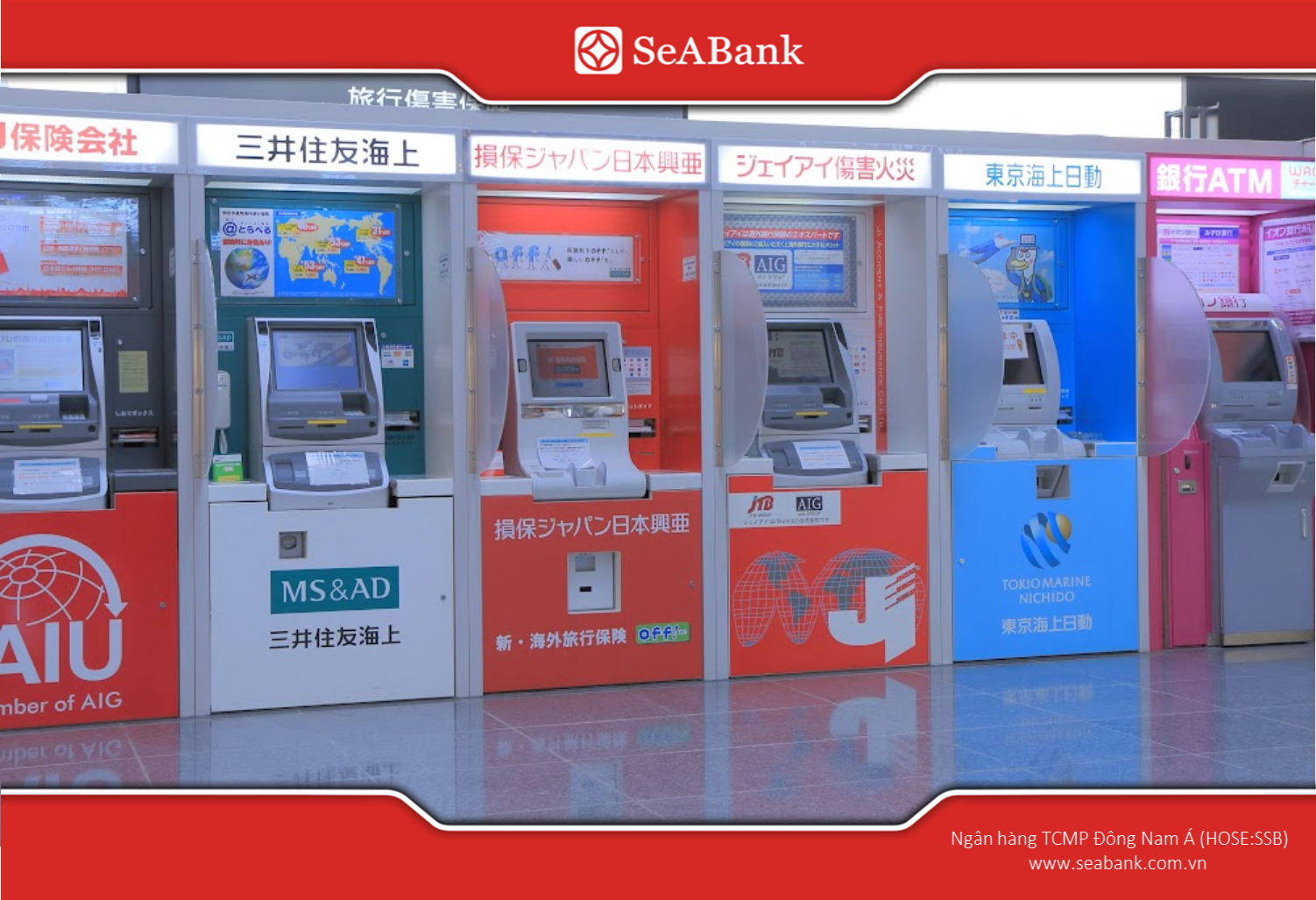
- Automated currency exchange machines: These are available at major airports, shopping centers, and major train stations in Japan. You can insert USD or certain other foreign currencies into the machine and exchange them for Japanese Yen.
- Banks in Japan: Such as MUFG Bank, Sumitomo Mitsui Banking Corporation (SMBC),... However, keep in mind that not every branch provides direct cash exchange from VND to JPY.
- Withdraw cash from international ATMs: You can use Visa/Mastercard cards or international payment cards issued by Vietnamese banks to withdraw Japanese Yen directly. This method is convenient and fast, but foreign currency conversion fees will apply according to the bank's regulations.
4. Current Japanese Yen (JPY) Exchange Rate
The JPY buying rate at commercial banks currently ranges from approximately 158 - 160 VND/JPY, while the selling rate is commonly around 168.01 - 168.51 VND/JPY (*).
(*) The exchange rates were updated as of October 09, 2026. Exchange rates may vary depending on the time and the policies of each bank. You should check the bank's official information for the latest and most accurate rates.
5. Tips for Exchanging Japanese Yen
- Monitor reference exchange rates for several days before exchanging money to choose a suitable time and avoid exchanging when rates are fluctuating significantly.
- Prioritize licensed exchange locations and keep your transaction receipt/invoice for reference when necessary.
- Exchange a variety of denominations rather than only large-denomination banknotes (10,000 JPY) for more convenient small purchases and everyday expenses in Japan.
- Check the condition of the cash: Torn or worn JPY banknotes may be refused by some locations or subject to additional fees.
- Consider combining cash with international payment methods (Visa/Mastercard cards, bank-linked e-wallets) to reduce the amount of cash you need to carry.
6. Frequently Asked Questions (FAQ)
1. Is it better to exchange Japanese Yen at the airport?
Exchange rates at airport currency exchange counters are generally less competitive than those offered by banks or exchange locations in city centers due to higher operating costs. If you urgently need cash, you can exchange a small amount at the airport for immediate expenses and exchange the remaining amount at a bank for a more competitive rate.
2. What documents are required to exchange Japanese Yen at a bank?
You generally need to bring a valid Citizen ID card/ID card or passport. For large amounts or specific purposes, the bank may require additional supporting documents.
3. How much Japanese Yen should I exchange before traveling?
The amount you need depends on the purpose of your trip (travel, overseas study, business trip...) and your specific spending plan. You should estimate your living and transportation expenses in Japan to determine a reasonable amount of cash to exchange, while using an international card for the remaining expenses.
4. Can I exchange leftover Japanese Yen back into Vietnamese Dong?
Yes. You can exchange leftover JPY into VND at banks or licensed currency exchange locations. However, the buying rate may differ from the rate applied when you initially purchased the Yen.
In general, where to exchange Japanese Yen depends on your needs, the amount you want to exchange, and whether you prioritize convenience or exchange rates. Whether you choose a bank or a licensed currency exchange location, you should prioritize reputable and properly licensed providers and always check the latest exchange rate before making a transaction.
Related News
What Is a Savings Account? Types and a Quick Guide to Opening One 13/11/2026
What Is Online Savings? How to Save and 6 Important Notes 13/11/2026
How to Make an Online Savings Deposit Easily and Earn Attractive Returns 05/11/2026
What Is Flexible Savings? Comparison with Traditional Savings 05/11/2026
Online Land Tax Payment: 2 Quick and Compliant Methods 05/11/2026
What Is a Savings Account? Types and a Quick Guide to Opening One
What is a savings account and how is it different from a payment account? Learn about common types of savings deposits, their benefits, and how to open an account online or at a branch.
13/11/2026
Read more


What Is Online Savings? How to Save and 6 Important Notes
What is online savings? Learn about its advantages, how to open a savings account on a banking app, and important notes on interest rates, security, and deposit insurance for online savings in this article.
13/11/2026
Read more

How to Make an Online Savings Deposit Easily and Earn Attractive Returns
Learn how to make an online savings deposit on SeAMobile in 4 steps, including requirements, interest rates, early withdrawal, and deposit insurance.
05/11/2026
Read more