News
Where to Exchange Chinese Yuan at a Reliable Place with the Best Exchange Rate?
 09/10/2026
Where can you exchange Chinese Yuan safely and at a good exchange rate? Find reliable places to exchange Chinese Yuan, how to use Alipay/WeChat Pay, and useful tips to know before your trip.
When preparing for a trip, business visit, or sourcing goods from China, one of the most common questions is where to exchange Chinese Yuan safely and at a reasonable exchange rate. In addition to exchanging cash, you can also make flexible payments through e-wallets linked to international cards. This article provides an overview of common channels for exchanging Chinese Yuan along with important tips to know before your trip.
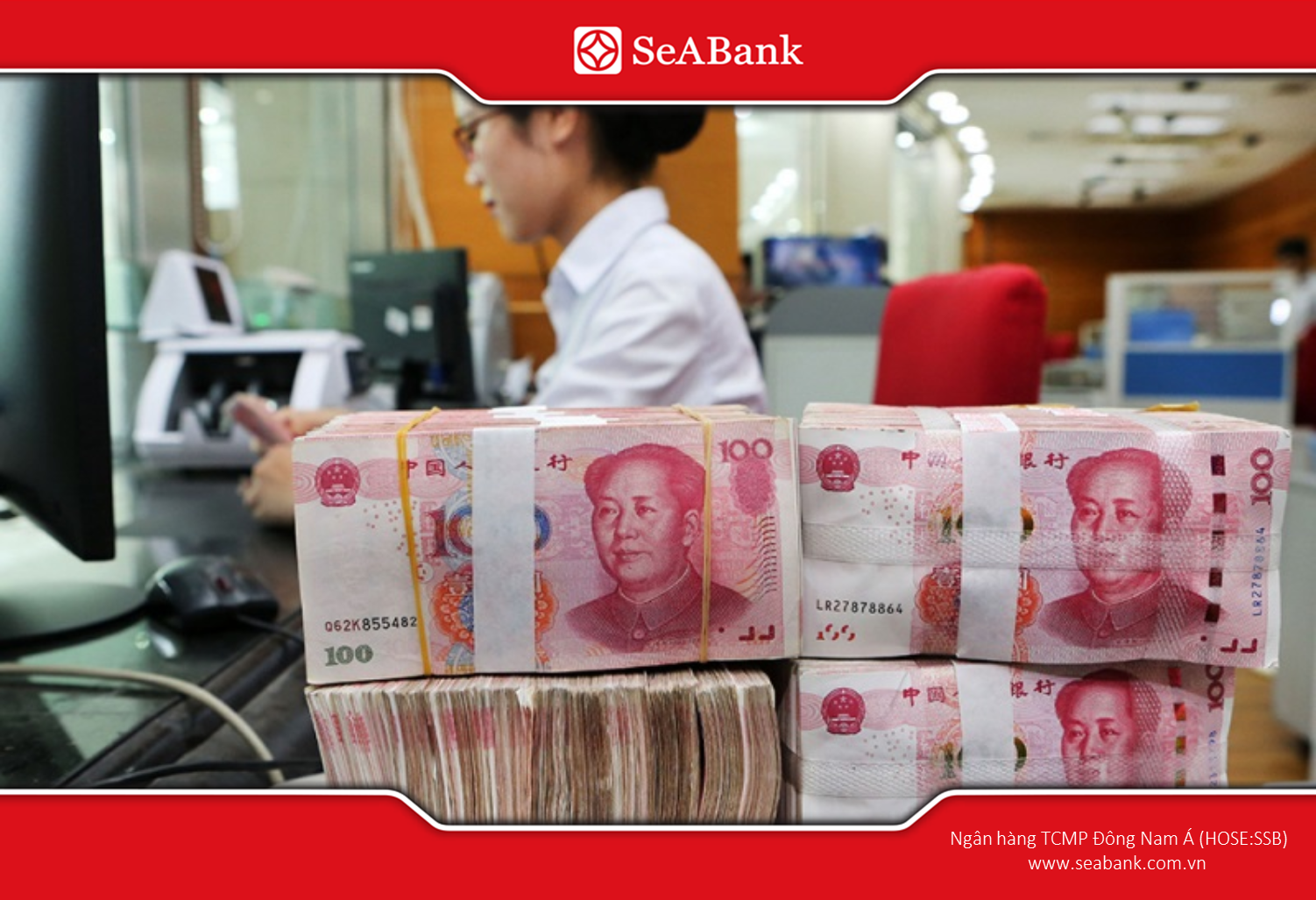
1. Exchange Chinese Yuan at Banks
Banks are a preferred option for many people because of their high level of security, clearly listed exchange rates, and lower risk of receiving counterfeit or poor-quality banknotes.
Advantages:
- Exchange rates are publicly listed, with complete transaction documents provided.
- Large amounts can be exchanged when needed.
- Banknote quality is ensured, reducing the risk of receiving torn or counterfeit notes.
Disadvantages:
- More procedures are required than with other methods, such as documents proving the purpose of the trip (airline tickets, visa, business trip assignment decision...).
- You need to arrange time to visit a transaction counter during business hours.
2. Set Up Alipay/WeChat Pay for Payments (Funded by Debit/Credit Card)
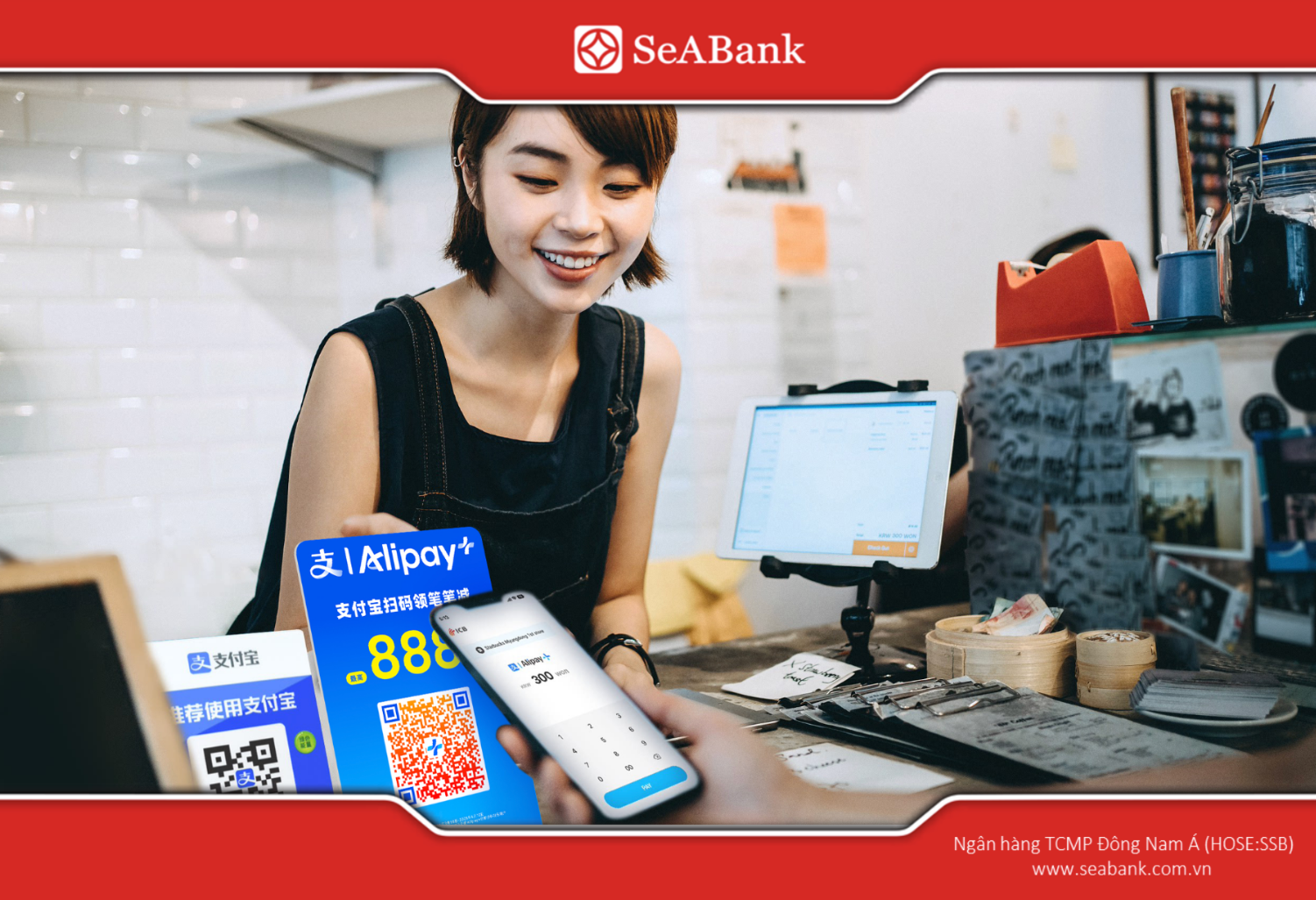
China is one of the world's leading markets for cashless payments, with many stores and restaurants accepting payments primarily through QR codes. Therefore, in addition to cash, you should also set up an e-wallet for greater convenience during your trip.
How to link an international card to Alipay/WeChat Pay:
- Download the app and register an account using your Vietnamese phone number.
- Verify your identity using your passport as instructed in the app.
- Go to the bank card section, select the option to link a card, and enter your international debit/credit card information.
- Make a small test transaction to check whether the card has been linked successfully.
Some notes when using e-wallets:
- Some high-value transactions made through e-wallets may incur platform fees and foreign currency conversion fees charged by the card-issuing bank.
- You should install and verify your e-wallet while still in Vietnam to avoid spending time on the process after arriving in China.
- You should still carry a small amount of cash as a backup in case the e-wallet does not work or a store does not support QR code payments.
3. Exchange Chinese Yuan at Airports
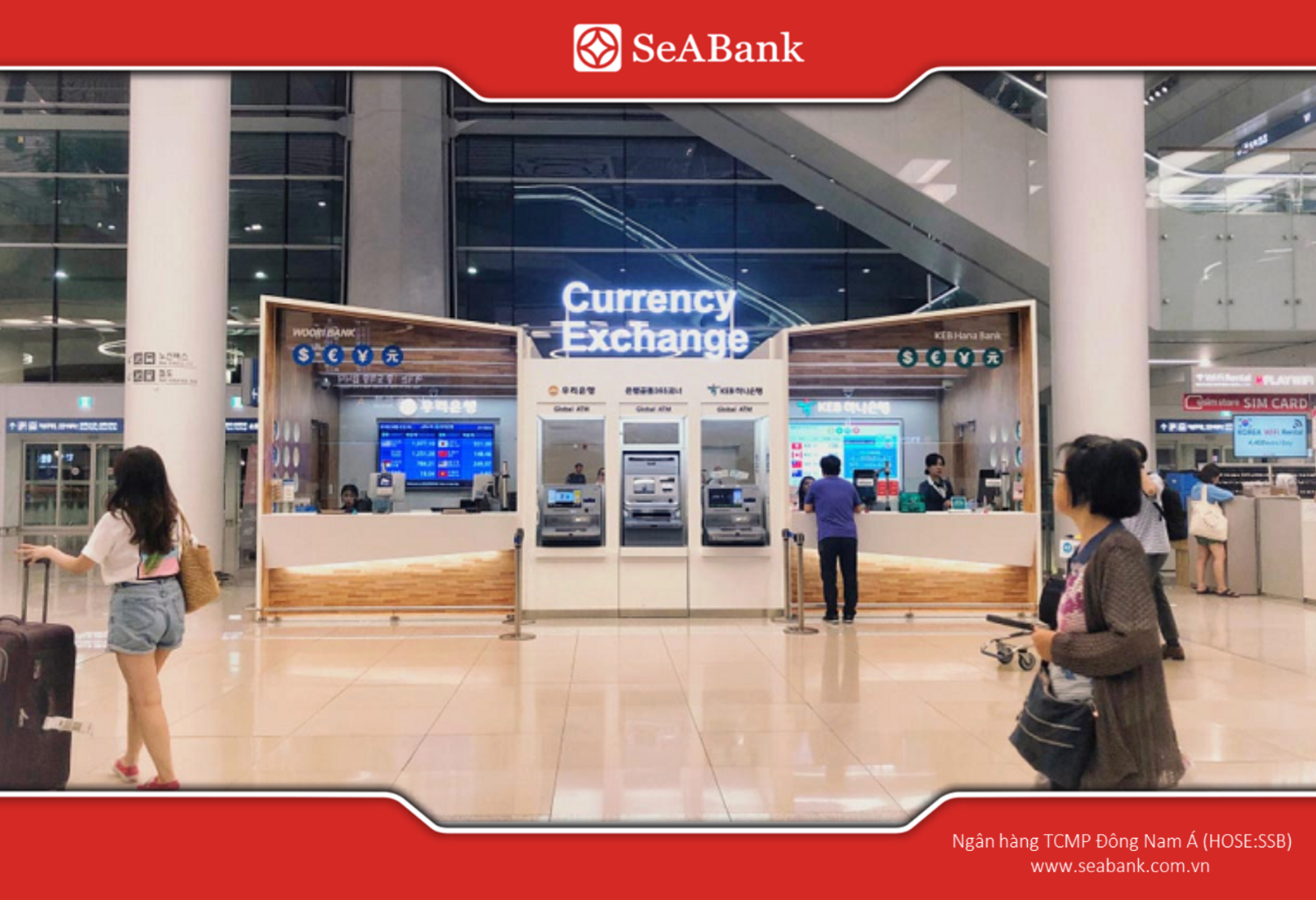
Airport foreign currency exchange counters are a suitable backup option if you have not had time to prepare cash before your trip.
Advantages:
- Conveniently located in immigration and departure/arrival areas.
- Suitable when you need a small amount of cash for immediate expenses upon arrival.
Disadvantages:
- Exchange rates at airport counters are generally less competitive than those offered by banks due to higher operating costs.
- The counter may not always have the amount of CNY cash you need.
You should only exchange a small amount at the airport for immediate use and prepare the remaining amount at a bank in advance to get a better exchange rate.
4. Exchange Chinese Yuan at Foreign Currency Exchange Shops
In addition to banks, some gold shops and currency exchange stores are also permitted to operate as foreign currency exchange agents if they meet the required conditions and are properly licensed. Therefore, you can also consider this channel when exchanging Chinese Yuan into Vietnamese Dong or vice versa.
Advantages:
- Simple procedures and flexible transaction hours.
- Available in many locations, making them convenient to access.
Disadvantages:
- You need to choose a reputable and properly licensed provider to avoid risks related to banknote quality.
- Exchange rates may vary depending on the time and the provider.
When exchanging money at these locations, you should choose a provider that publicly displays its exchange rates and keep the transaction receipt for reference when necessary.
5. Current Chinese Yuan (CNY) Exchange Rate
The current exchange rate ranges from approximately 3,860 VND/CNY.
(*) The exchange rate was updated as of October 09, 2026. Exchange rates may vary depending on the time and the policies of each bank. You should check the bank's official information for the latest and most accurate rates.
6. Important Notes When Exchanging and Using Chinese Yuan
- Monitor reference exchange rates for several days before exchanging money to choose a suitable time.
- Prioritize licensed exchange locations and keep your transaction receipt/invoice for reference when necessary.
- Exchange a variety of denominations rather than only large-denomination banknotes for more convenient small purchases.
- Check the banknotes carefully at the counter instead of waiting until you have left the exchange location.
- Combine cash with e-wallets linked to international cards to reduce the amount of cash you need to carry.
- If you frequently need to make foreign currency transactions, you can explore SeABank's international card products or foreign exchange services for greater convenience when traveling abroad.
7. Frequently Asked Questions (FAQ)
1. Is it better to exchange Chinese Yuan at the airport?
Exchange rates at airport foreign currency exchange counters are generally less competitive than those offered by banks due to higher operating costs. You can exchange a small amount at the airport for immediate expenses and exchange the remaining amount at a bank.
2. What documents are required to exchange Chinese Yuan at a bank?
You generally need a valid Citizen ID card/ID card or passport. For large amounts or specific purposes, the bank may require additional supporting documents.
3. Can I use Alipay/WeChat Pay without a credit card?
Yes. You can link an international debit card instead of a credit card, provided that the card has been activated for international payments.
4. How much Chinese Yuan should I exchange before traveling?
The amount you need depends on the purpose of your trip and your specific spending plan. You should estimate your living and transportation expenses to determine a reasonable amount of cash to exchange, while using an e-wallet or international card for the remaining expenses.
5. Can I exchange leftover Chinese Yuan back into Vietnamese Dong?
Yes. You can exchange leftover CNY into VND at banks or licensed currency exchange locations. However, the buying rate may differ from the rate applied when you initially purchased the currency.
In general, deciding where to exchange Chinese Yuan depends on your needs, schedule, and whether you prioritize exchange rates or convenience. Whether you choose a bank, airport, licensed agent, or e-wallet, you should prioritize reputable providers and always check the latest exchange rate before making a transaction.
Related News
What Is a Savings Account? Types and a Quick Guide to Opening One 13/11/2026
What Is Online Savings? How to Save and 6 Important Notes 13/11/2026
How to Make an Online Savings Deposit Easily and Earn Attractive Returns 05/11/2026
What Is Flexible Savings? Comparison with Traditional Savings 05/11/2026
Online Land Tax Payment: 2 Quick and Compliant Methods 05/11/2026

What Is a Savings Account? Types and a Quick Guide to Opening One
What is a savings account and how is it different from a payment account? Learn about common types of savings deposits, their benefits, and how to open an account online or at a branch.
13/11/2026
Read more


What Is Online Savings? How to Save and 6 Important Notes
What is online savings? Learn about its advantages, how to open a savings account on a banking app, and important notes on interest rates, security, and deposit insurance for online savings in this article.
13/11/2026
Read more

How to Make an Online Savings Deposit Easily and Earn Attractive Returns
Learn how to make an online savings deposit on SeAMobile in 4 steps, including requirements, interest rates, early withdrawal, and deposit insurance.
05/11/2026
Read more