News
 02/10/2026
What is inward remittance? Learn about its definition, current legal regulations, common receiving methods, and important tips to help you receive money from abroad safely and conveniently.
What is inward remittance, and why is this cash flow increasingly important to many Vietnamese families? This is a common question for those with relatives living, working, or studying abroad. This article helps you understand the concept of inward remittance, its sources, common receipt methods under current regulations, and important tips for receiving money safely and conveniently.
Inward remittance (or simply remittance) refers to money transferred from abroad to Vietnam, commonly sent by overseas Vietnamese to beneficiaries in the country. These funds can be used for various purposes, such as covering living expenses, saving, investing, or meeting other lawful needs in accordance with regulations. Remittances can be transferred through authorized credit institutions, enterprises providing foreign currency receipt and payment services, or carried by individuals upon entry into Vietnam as prescribed. Recipients can receive the funds in foreign currency or Vietnamese dong, depending on regulations and their needs.
In Vietnam, remittance transfers and receipts are encouraged by the State and are conducted through organizations and enterprises licensed to provide these services in accordance with foreign exchange laws. Decision No. 170/1999/QD-TTg, issued by the Prime Minister, is one of the foundational documents for the policy encouraging overseas Vietnamese to transfer money back home.
According to Clause 2, Article 2 of Decision No. 170/1999/QD-TTg, a remittance recipient (referred to as a "beneficiary") is an individual in Vietnam who receives foreign currency transferred by overseas Vietnamese or foreigners. Under Article 6 of this Decision, beneficiaries have the right to:
Remittance transfers and receipts in Vietnam are currently governed by the following legal documents:
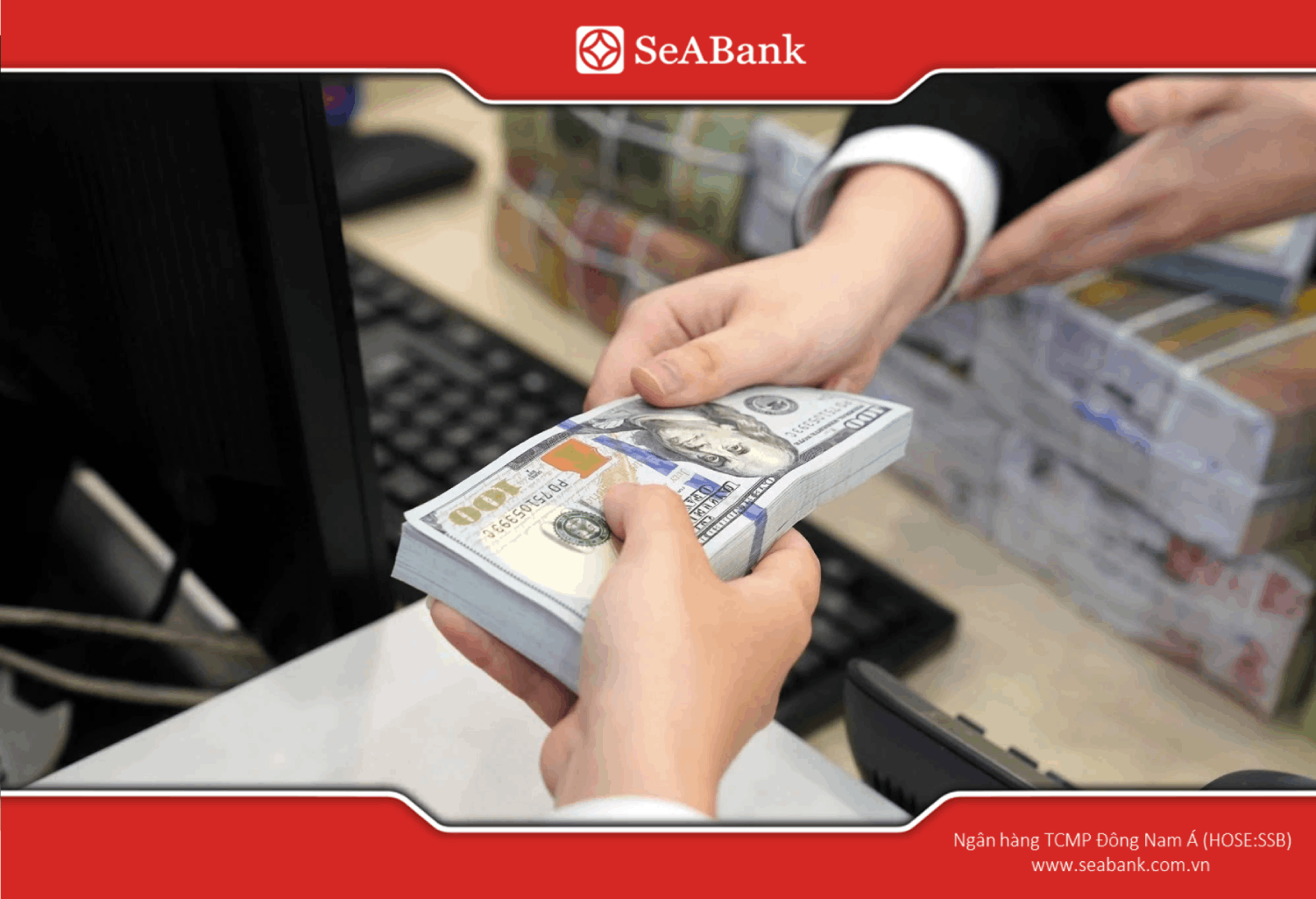
Many people confuse remittances with international commercial transfers. However, these are two different types of transactions with distinct purposes and characteristics.
According to Article 4 of Decision No. 170/1999/QD-TTg, there are three methods of transferring remittances to Vietnam:
Note: When an individual enters Vietnam carrying foreign currency on behalf of someone else overseas for a recipient in Vietnam, they must declare the amount to customs at the border checkpoint. According to Clause 1, Article 2 of Circular No. 15/2011/TT-NHNN, cash foreign currency must be declared if it exceeds 5,000 USD (or the equivalent amount in another foreign currency), or if the amount of Vietnamese dong exceeds 15,000,000 VND
Each country has its own money transfer procedures, fees, and requirements that you should understand before making a transaction. You can refer to the following detailed guides for specific markets:
To ensure that you receive remittances safely, keep the following points in mind:

When choosing a bank to receive remittances, you can consider the following criteria:

1. Is receiving remittances subject to personal income tax?
No. Income from remittances is exempt from personal income tax under current regulations.
2. What documents are needed to receive remittances?
Recipients usually need to present personal identification documents (citizen identity card or passport) and transaction information (transfer code and sender's name) for verification at the credit institution or payout service provider. Specific document requirements may vary depending on the receipt method and service provider.
3. Do I need to declare foreign currency to Customs if I carry it on behalf of someone else when entering Vietnam?
Yes. Individuals entering Vietnam who carry foreign currency on behalf of a domestic beneficiary must declare it to customs at the border checkpoint if the amount exceeds USD 5,000 (or the equivalent in another foreign currency) or VND 15,000,000.
4. Can I receive remittances in Vietnamese dong, or must I receive them in foreign currency?
Yes, you can receive remittances in Vietnamese dong. Under current regulations, beneficiaries can receive funds in either foreign currency or Vietnamese dong, depending on their needs and the applicable transaction method.
Inward remittance is not only money transferred from abroad but also an important financial resource that is encouraged by the State and protected under current laws. Understanding the available receipt methods and potential risks can help your family feel more secure when making transactions. You can explore SeABank's inward remittance service for a more convenient experience.

How Much Is 1 Tael Of Gold? Update Today's Gold Price And Notes
How much is 1 tael of gold? Update the latest price of 1 tael of 9999, 24K, 18K gold today and instructions on how to calculate and buy gold safely and reliably.
09/10/2026
Read more

Russian Currency: Denominations, Exchange Rates, and How to Exchange Russian Rubles
Learn about Russian currency (Ruble), including its denominations, the current RUB/VND exchange rate, where to exchange money, and tips for exchanging Rubles when traveling to Russia. Find out more with SeABank.
09/10/2026
Read more
What Is German Currency? Denominations, Exchange Rates, and How to Convert to Vietnamese Dong
Germany's currency is the euro (EUR). Learn about German currency denominations, the EUR/VND exchange rate, where to exchange money, and how to receive money from Germany in Vietnam via SeABank.
09/10/2026
Read more