News
Can You Get a Visa Card with Bad Debt? How to Improve Your Credit
 16/10/2026
Can you get a Visa card with bad debt? Learn about debt classifications, eligibility for Visa credit and debit cards, and steps to improve your credit history on CIC.
Bad debt refers to debts classified into Groups 3, 4, and 5 under banks' debt classification system and recorded by the Vietnam National Credit Information Center (CIC). Many people wonder whether they can get a Visa card with bad debt. This article provides answers for each type of card, while also outlining steps to improve your bad debt history on CIC and key considerations for rebuilding your credit score.
1. Can You Get a Visa Card with Bad Debt?
Before answering this question, you need to understand how banks determine bad debt. Pursuant to Clause 5, Article 3 of Circular No. 31/2024/TT-NHNN issued by the State Bank of Vietnam (effective from July 1, 2024), bad debt refers to on-balance-sheet bad debt, including debts classified into Groups 3, 4, and 5. Under Points c, d, and đ, Clause 1, Article 10 of this Circular, under normal circumstances, these debt groups are classified as follows:
In addition to the number of overdue days, certain other cases (for example, debts with restructured repayment terms) may also be classified into these groups under Article 10.
Whether you can get a Visa card with bad debt also depends on the type of card you apply for.
Visa Credit Card - Low Likelihood of Approval
A credit card allows you to spend first and repay later within a credit limit granted by the bank. When considering a card application, the bank will review your credit history and credit score (including information from the Vietnam National Credit Information Center - CIC) to assess your repayment capacity.
Therefore, if you currently have bad debt or a poor credit history, your application for a Visa credit card is generally unlikely to be approved. The final approval decision depends entirely on each bank's policies and risk assessment procedures at the time you submit your application.
Visa Debit Card - You May Be Able to Open One
A Visa debit card allows you to spend within the available balance in your payment account and does not involve borrowing from the bank. Therefore, credit history is generally not a key factor in determining card issuance. However, the requirements for opening an account and issuing a card are still subject to each bank's general regulations.
2. Steps to Improve Your Bad Debt History on the CIC System
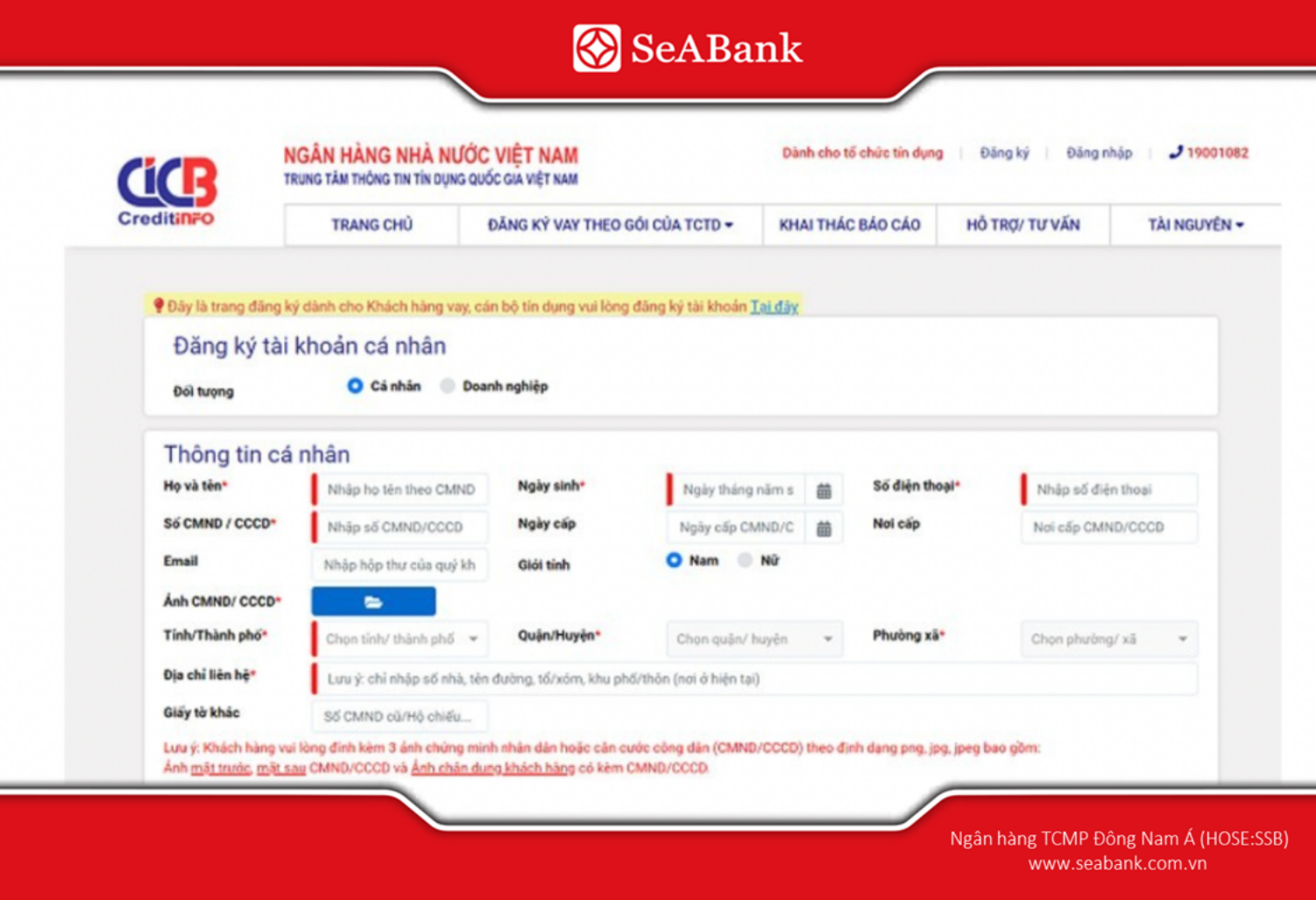
- Check your credit information on CIC: You can proactively check your personal credit history using the CIC Credit Connect app issued by the Vietnam National Credit Information Center or through other official lookup channels.
- Identify the bad debt and debt group: Carefully check which credit institution has reported the debt, along with details of the principal, interest, and number of overdue days. Then, contact the relevant bank or credit institution directly to confirm the exact total outstanding amount that needs to be repaid.
- Repay the debt or agree on a repayment plan: Fully repay the overdue principal and interest. Remember to retain all receipts and supporting documents proving that you have fulfilled your repayment obligations.
- Maintain timely repayments to be considered for reclassification: Fully repaying overdue amounts and continuing to meet repayment obligations on time in subsequent periods provide a basis for the bank to reassess your financial credibility. Note that after you have fulfilled your repayment obligations, the credit institution needs time to update the information and CIC needs time to receive and process it in accordance with regulations. Therefore, the status shown on your credit report may not change immediately.
- Check CIC again and request a correction if there are errors: After some time, check your information on CIC again. If you find that any recorded information is inaccurate, you have the right to submit a correction request online or in writing, together with supporting documents and evidence. The receiving entity will verify the validity of your request, process it, and notify you of the detailed results in accordance with its internal procedures.
You can learn more about how to read information on CIC in SeABank's articles What Is CIC? How to Check Your Personal Credit History and What Is Bad Debt? Classification, How to Check It, and How to Handle It.
3. Tips for Rebuilding a Good Credit Score
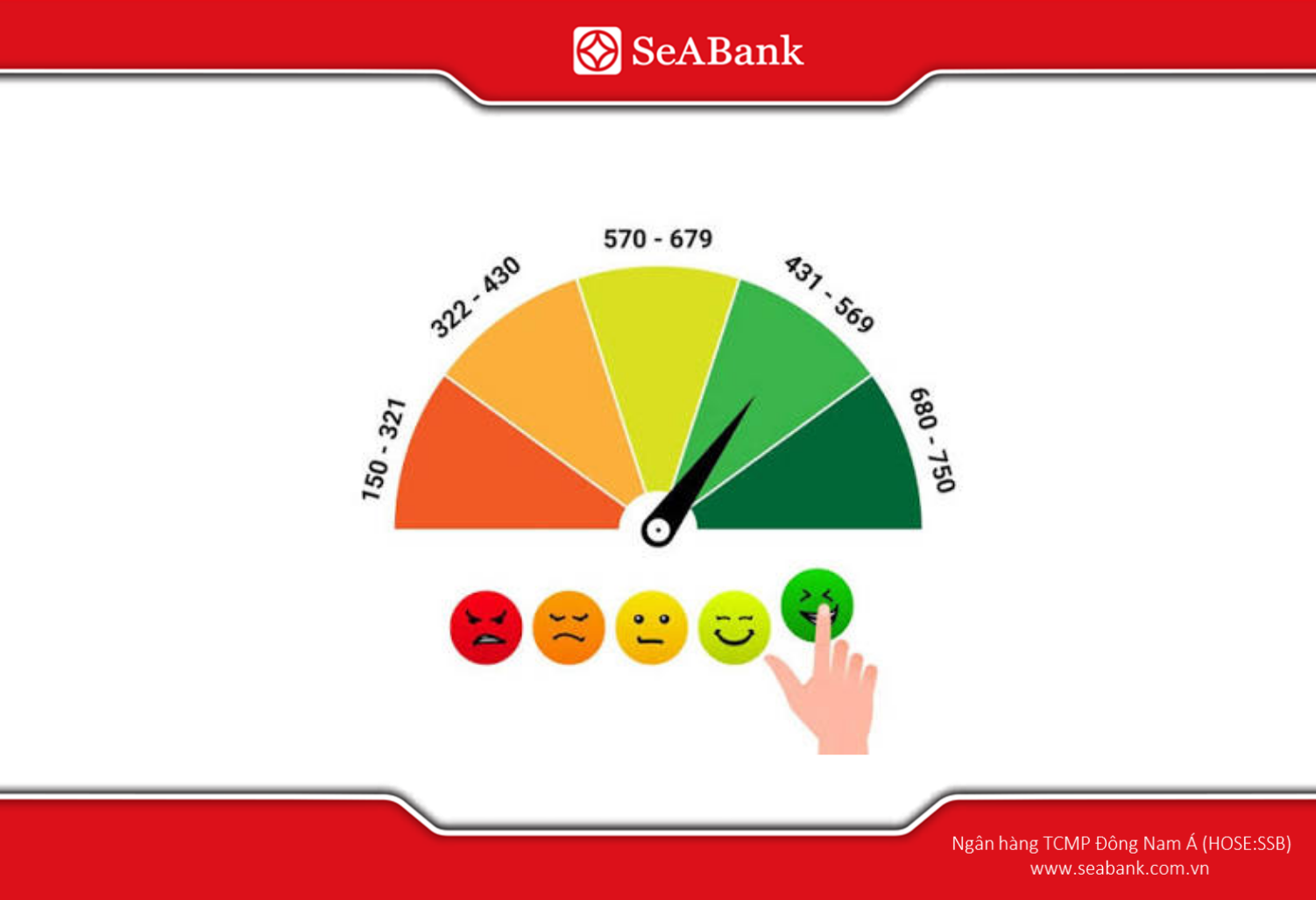
After resolving the debt, it takes time for your credit history to improve. Here are some points you can consider:
- Make repayments on time, even for small amounts. You can set payment reminders or register for automatic debit if your bank supports this service.
- Spend within your means. Choose credit limits and loan amounts that are appropriate for your income and avoid using nearly all of your available credit limit.
- Avoid applying for multiple loans or cards within a short period. Submitting many applications in a short period may cause credit institutions to assess your application more cautiously.
- Maintain healthy financial habits. You can use a payment account and debit card and regularly monitor your balance and transactions through your banking app (such as SeAMobile) to proactively manage your cash flow.
- Check CIC periodically and be cautious of "bad debt removal" services. Only use official channels provided by CIC and credit institutions, and do not provide personal information or OTP codes to entities of unknown origin.
Once your credit profile becomes more stable, you can explore card options that suit your needs, such as SeABank's guide to opening a credit card, or contact SeABank for specific advice.
4. Frequently Asked Questions
1. Can You Get a Visa Card with Group 2 Debt?
Possibly. Group 2 debt is classified as debt "requiring attention" (it is not considered bad debt, as bad debt generally includes Groups 3 to 5). Therefore, you may still be considered for a Visa card. However, the bank will conduct a comprehensive assessment of your financial profile, income, and overall credit history before making a final decision.
2. How Long Does Bad Debt Remain Visible on CIC?
Under Clause 1, Article 13 of Circular No. 15/2023/TT-NHNN, negative information about a borrower may only be provided for a maximum period of 05 years from the date such negative information ends, except where it is provided at the request of a state regulatory authority in accordance with the law.
3. Can You Get a Visa Card Immediately After Paying Off Bad Debt?
Immediately after you repay your bad debt in full, your credit history cannot be "cleared" right away, as the system needs time to record the new status or reclassify the debt. Whether your Visa card application is approved will depend on each bank's approval policies and risk assessment at the time you submit your application.
4. Is There a Fee for Checking Credit Information on CIC?
Each individual is entitled to check their own credit information free of charge once per year. For additional checks within the same year, the CIC system may charge a small service fee in accordance with applicable regulations.
5. Is There a Service That Can Remove Bad Debt Quickly?
No service can fraudulently or instantly remove legitimate bad debt records. Your credit history is updated based on your debt repayment process or corrected when there are actual data errors supported by valid documentation. You should be extremely cautious of online services advertising "quick bad debt removal" to avoid financial scams and should only work directly through official channels.
In summary, whether you can get a Visa card with bad debt depends on the type of card and each bank's policies: credit cards are generally difficult to obtain when you have debts classified in Groups 3 - 5, while debit cards are subject to separate eligibility requirements. You should check your information on CIC, resolve outstanding debts, and maintain timely repayments to improve your credit profile.
Related News
How to Make an Online Savings Deposit Easily and Earn Attractive Returns 05/11/2026
What Is Flexible Savings? Comparison with Traditional Savings 05/11/2026
Online Land Tax Payment: 2 Quick and Compliant Methods 05/11/2026
Borrowing Money with Group 5 Bad Debt: Eligibility and Solutions 05/11/2026
How Much Is 1 Tael Of Gold? Update Today's Gold Price And Notes 05/11/2026

How to Make an Online Savings Deposit Easily and Earn Attractive Returns
Learn how to make an online savings deposit on SeAMobile in 4 steps, including requirements, interest rates, early withdrawal, and deposit insurance.
05/11/2026
Read more


What Is Flexible Savings? Comparison with Traditional Savings
What is flexible savings? Learn about the concept, key features, differences from traditional savings, and minimum balance requirements when making a partial early withdrawal.
05/11/2026
Read more
Online Land Tax Payment: 2 Quick and Compliant Methods
Guide to paying land tax online via the National Public Service Portal and eTax Mobile, including the steps, payment deadlines, late payment charges, and important notes you should know.
05/11/2026
Read more