What Is Group 2 Debt? Causes, Impacts, and How to Handle It
23/10/2026
What is Group 2 debt, and how many overdue days can result in this classification? Learn about the legal basis, its impact on credit, and appropriate ways to handle it.
If you are more than 10 days late in paying a loan or credit card balance, your debt may be classified as Group 2 debt on the CIC system. This is a warning threshold that directly affects your ability to borrow and open credit cards in the future. This article helps you understand what Group 2 debt is, the legal basis for its classification, common causes, and appropriate ways to handle it.
Note: The figures and information in this article are compiled from general market sources and do not apply exclusively to SeABank's products.
1. What Is Group 2 Debt?
“Group 2 bad debt” is actually a commonly used term referring to Group 2 debt (debt requiring special attention) recorded on the CIC system. It should be noted that under current regulations (Clause 5, Article 3 of Circular 31/2024/TT-NHNN), Group 2 debt is not yet classified as bad debt.
How many overdue days result in Group 2 debt classification?
The principal or interest payment is overdue for between 10 and 90 days.
The debt has had its repayment term restructured for the first time by the credit institution and remains within the newly agreed repayment term.
Other debts are assessed by the credit institution as showing signs of reduced repayment capacity and are proactively classified into a higher-risk group.
Debts overdue for fewer than 10 days that are assessed as fully recoverable in terms of both principal and interest remain classified as Group 1 debt.
2. Common Reasons Why a Loan Falls into Group 2 Debt
A loan commonly falls into Group 2 debt for several reasons:
Forgetting the payment schedule: Failing to closely monitor the due date of a loan or credit card payment.
Insufficient account balance: The account does not have enough funds when an automatic debit is due.
Temporary financial difficulties: Reduced income affects the ability to make repayments on time.
Incorrect information: Entering the wrong amount, repayment period, or beneficiary account when transferring money for repayment.
Having multiple loans at the same time: Difficulty managing repayment schedules across several credit institutions.
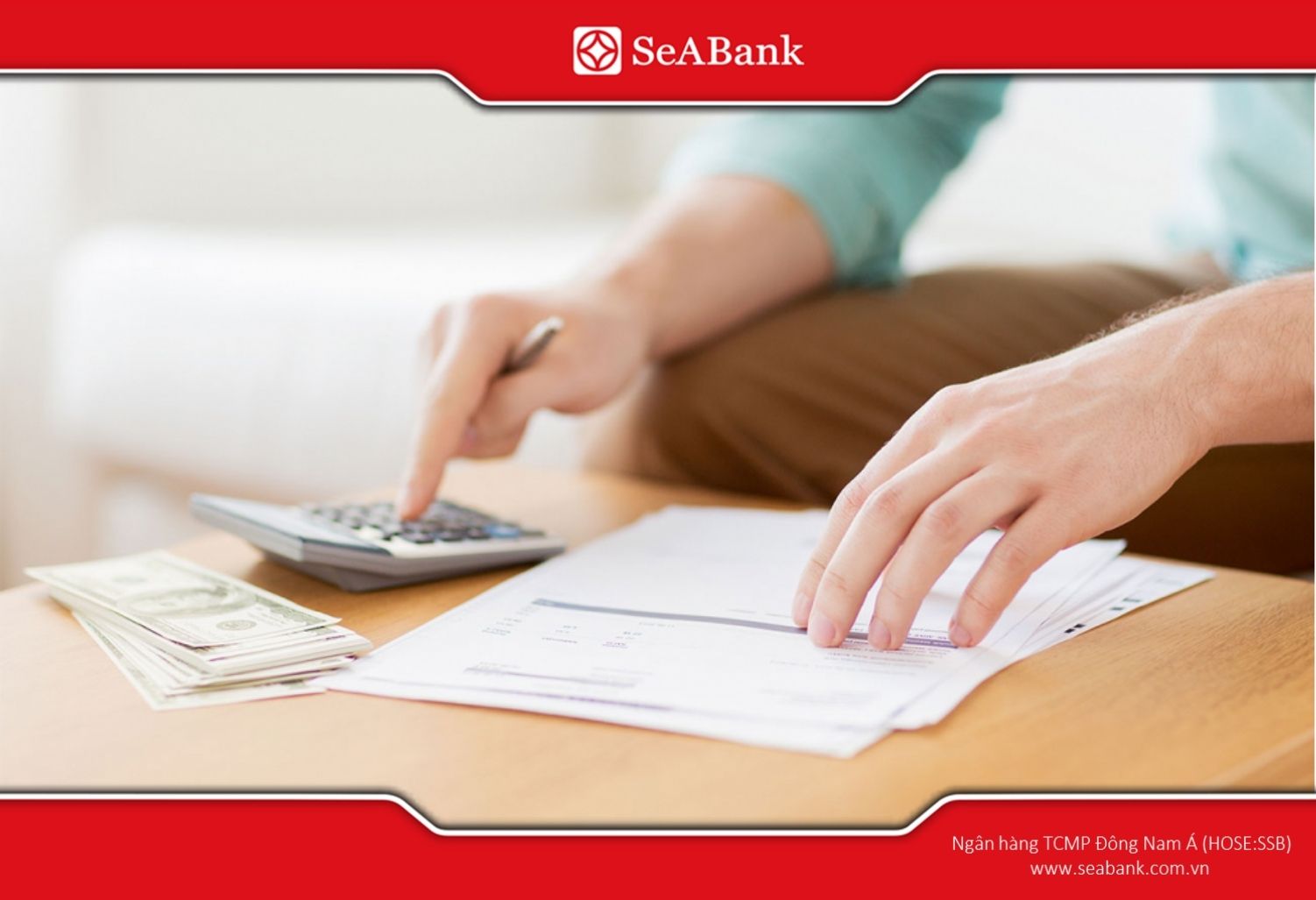
Forgetting a repayment due date is one of the common causes of Group 2 debt
3. How Does Group 2 Debt Affect You?
3.1. Ability to Borrow and Open a Credit Card
Although Group 2 debt is not yet classified as bad debt, it still leaves a record on your credit profile. When reviewing a new loan or credit card application, banks and credit institutions usually check credit history through the CIC system. If you currently have or previously had Group 2 debt, you may still be considered for approval, but your chances of approval may be lower, and the credit limit and term granted may also be more restricted compared with customers with a good credit history. If the debt remains overdue and is not resolved, the loan may be moved to Group 3 or higher, meaning it officially becomes bad debt.
3.2. Retention Period on CIC
Under Clause 1, Article 13 of Circular 15/2023/TT-NHNN, negative information about borrowers may be provided by CIC for a maximum period of 5 years from the date the negative information ends. Customers should proactively settle the debt as soon as possible to limit its impact on their credit history.
IMPORTANT: To facilitate access to credit for customers facing financial difficulties, from December 1, 2014, CIC temporarily stopped providing bad debt history for customers with outstanding balances below 10 million VND immediately after the debt is fully settled.
4. How to Check Group 2 Debt
To determine whether you are currently classified as Group 2 debt, you can follow these steps:
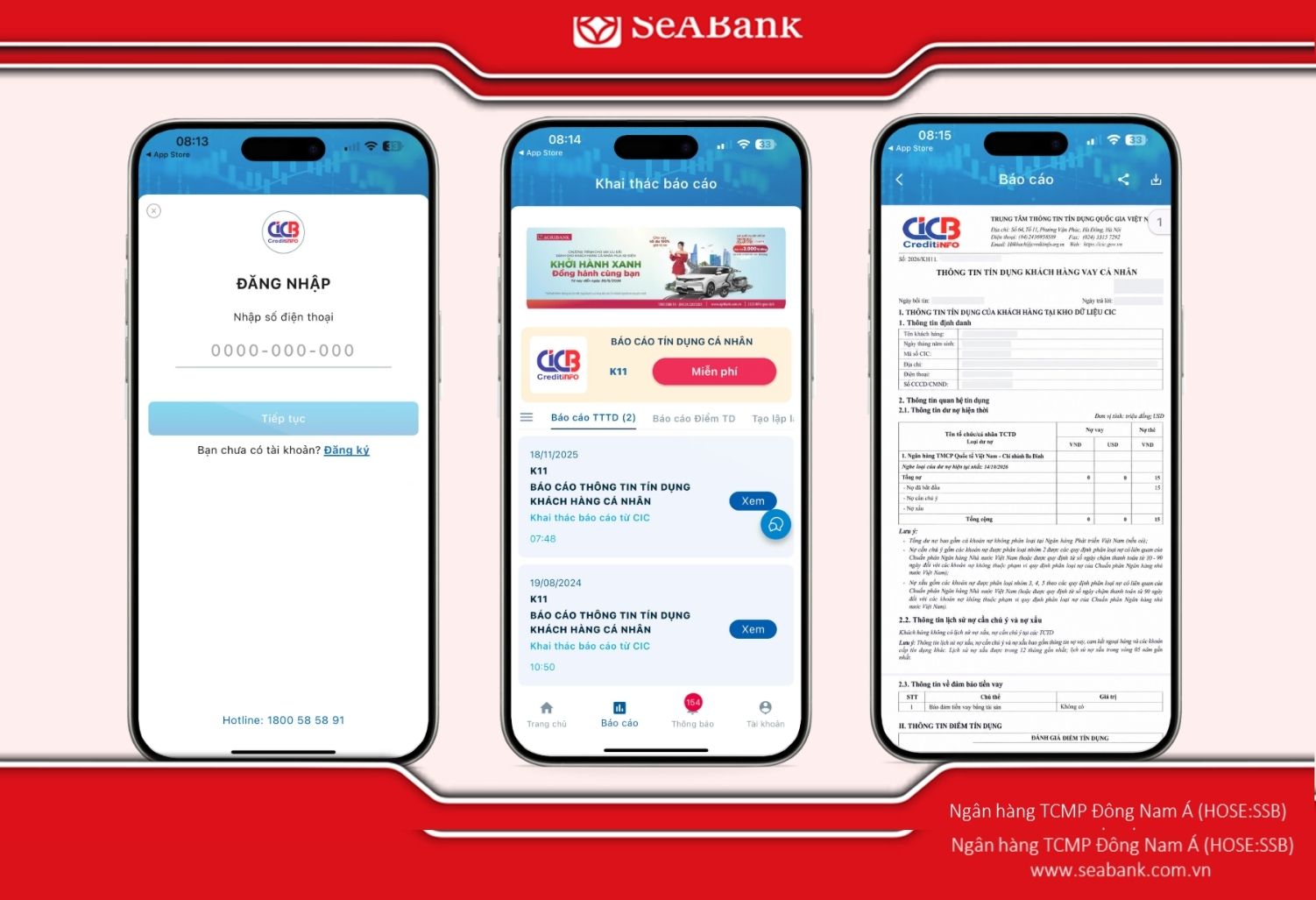
Register an account using your Citizen ID and the phone number registered under your name, then verify with OTP.
Wait for CIC's professional department to review and verify the information before granting access to the report.
Log in and select the credit report access section to view your debt group, borrowing history, and credit score.
In addition, you can check through the CIC website, at a bank transaction counter, or via the MoMo app.
See the detailed guide in the article: Bad Debt Check: 3 Quick and Accurate Ways to Look It Up
Check bad debt using your phone number via the CIC Credit Connect app
Note: From April 1, 2026, CIC has temporarily suspended registration for and access to products and services on the websitehttps://cic.gov.vn.
5. How to Handle Group 2 Debt
If you find that your loan is currently classified as Group 2 debt, you can consider the following steps:
Immediately pay the overdue outstanding balance, including both principal and accrued interest, to prevent the debt from moving into a higher-risk group.
Contact the bank or credit institution to discuss the possibility of restructuring the repayment term if you are experiencing temporary financial difficulties.
Set repayment reminders or register for automatic debit to avoid missing future due dates.
Maintain an on-time repayment history going forward to gradually improve your credit profile.
Avoid taking out additional new loans until the current overdue debt has been fully resolved.
6. Frequently Asked Questions
1. Is Group 2 Debt Considered Bad Debt?
No. Under Clause 5, Article 3 of Circular 31/2024/TT-NHNN, bad debt only includes debts classified as Group 3, Group 4, and Group 5. Group 2 debt (debt requiring special attention) is not yet considered bad debt, but it carries a higher level of risk than Group 1 debt and should be closely monitored.
2. Can You Get a Bank Loan While Having Group 2 Debt?
Yes. You may still be considered for a loan while classified as Group 2 debt. However, approval depends on each bank's policies, the extent of the overdue period, and your overall credit profile.
3. After Fully Paying Off Group 2 Debt, Is It Immediately Removed from CIC?
After full settlement, the credit institution will update the settlement information on the CIC system, but the debt history may still be retained for 5 years before being completely removed. However, for debts with an outstanding balance below 10 million VND, the information may be removed from the system immediately after the customer settles the debt.
3. How Can You Avoid Falling into Group 2 Debt?
You should proactively monitor repayment schedules, ensure your account has sufficient funds before each due date, and carefully consider your repayment capacity before taking out additional loans.
In summary, although Group 2 debt is not yet officially classified as bad debt, it is a warning signal that should not be ignored because it directly affects your ability to obtain loans and open credit cards in the future. To avoid falling into this debt group, you should closely monitor repayment schedules, make payments on time, regularly check your credit information, and settle overdue debt as soon as possible if it occurs.
Proactively monitor your loans with SeABank: To reduce the risk of unintentionally falling into Group 2 debt, you can use repayment reminder and loan information lookup features directly on SeABank's SeAMobile. The app also supports personal financial health monitoring, helping you proactively manage cash flow and maintain a good credit history.
Southeast Asia Commercial Joint Stock Bank (SeABank)