What Is a Payment Account? Types, How to Open One, and Important Notes
30/10/2026
What is a payment account, what types are there, and how is it different from a savings account? Learn the concept, how to open an account at a branch or online, and important notes.
What is a payment account, and how is it different from a savings account? This is a common question for many people when they first start using banking services. A payment account allows you to receive salary, make transfers, pay bills, and manage daily cash flow. The article below explains the concept, types, how to open one, and important notes when using it.
Note: The figures and information in this article are compiled from general market sources and do not apply exclusively to SeABank's products.
1. What Is a Payment Account?
A payment account is a demand deposit account opened by a customer at a bank and used to access payment services provided by the bank. Each account has its own account number linked to the account holder's name. You can deposit, withdraw, or transfer money at any time without being subject to a fixed term.
Basic characteristics of a payment account
No fixed term: You can deposit, withdraw, and transfer money flexibly according to your needs.
Used for payments: The account serves as a "gateway" for bank transfers, bank cards, collection services, payment services, and more.
Linked to the account holder's identity: The bank verifies your information when the account is opened and during its use.
May earn interest and incur fees: The balance is usually subject to a demand deposit interest rate, while certain services may incur fees according to the bank's fee schedule.
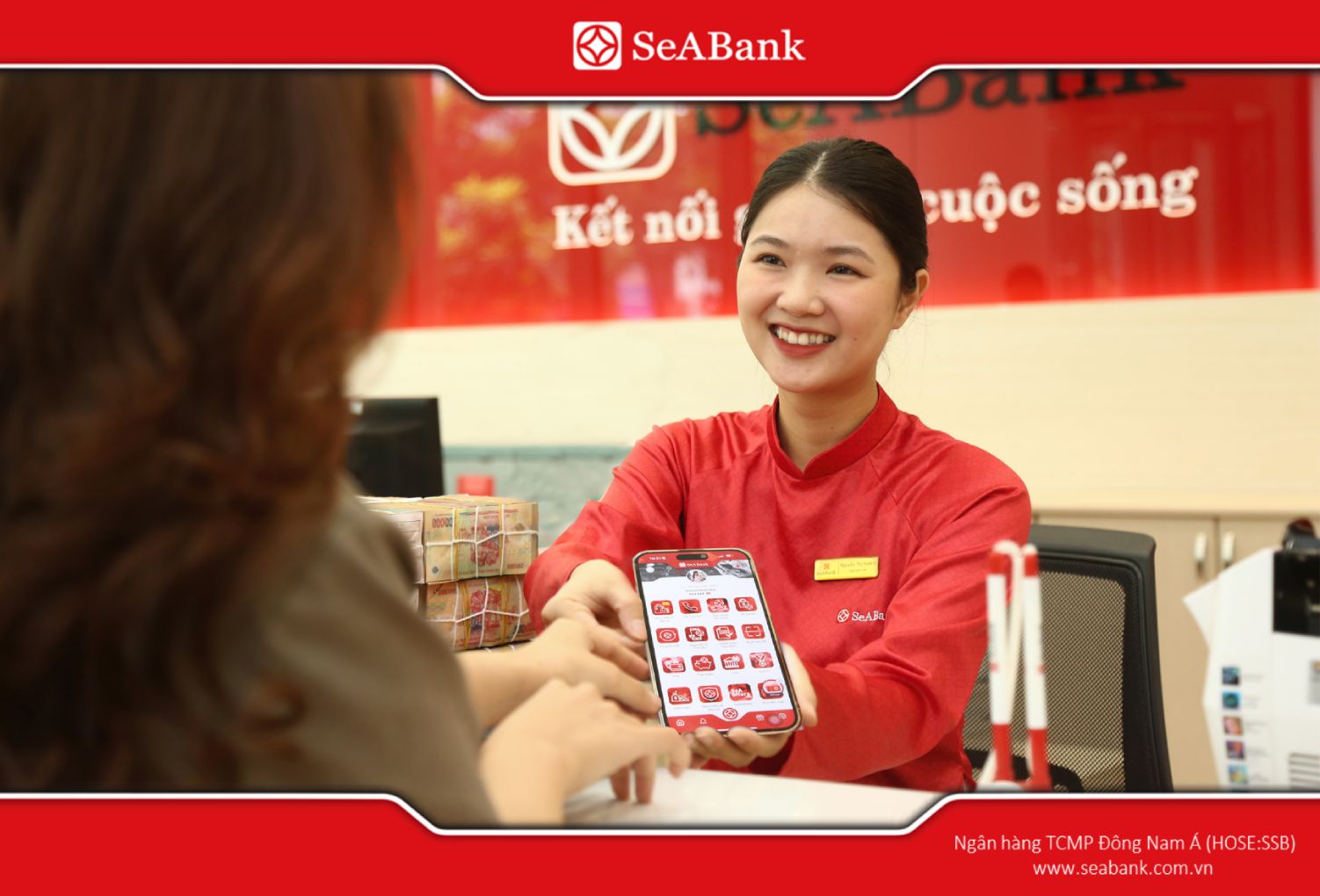
Payment accounts allow users to receive money, make transfers, and make cashless payments
2. Common Types of Payment Accounts
2.1. Individual Payment Accounts
This is an account opened in the name of an individual at a bank. You can use this account to receive salary, receive money from relatives, pay for expenses, and transfer money to others. Most individual customers use this type of account.
2.2. Organizational Payment Accounts
This type of account is opened in the name of a business, household business, or other organization. The account is used to collect payments from customers, pay suppliers, pay employee salaries, and carry out transactions related to business operations.
2.3. Joint Payment Accounts
A joint payment account is held in the names of two or more parties. This type of account is suitable for spouses, relatives, or parties jointly managing a source of funds. Account holders should clearly agree on how the account will be used, as well as each party's rights and responsibilities, before opening it.
3. What Is a Payment Account Used For?
A payment account meets various daily financial needs, such as:
Receiving money: Receive salary, bank transfers, refunds, payments from customers, etc.
Making transfers: Transfer money within and outside the banking system, including via QR code or phone number depending on the service.
Using bank cards: Debit cards are usually directly linked to payment accounts.
Serving as a platform for other services: Open online savings deposits, apply for loans, link e-wallets, etc.
As a result, you can reduce the need to hold cash, monitor balance movements more easily, and manage spending more clearly.
4. How Is a Payment Account Different from a Savings Account?
These two types of accounts serve different purposes. The table below provides a quick comparison:
Criteria
Payment Account
Savings Account
Main purpose
Daily payments, receiving and transferring money
Accumulating and earning returns on idle funds
Term
No fixed term
Usually fixed-term (flexible products are also available)
Withdrawals and transfers
Flexible, available at any time
May be subject to conditions when withdrawn early
Interest rate
Usually lower because it is a demand deposit
Usually higher, depending on the term and product
Additional features
Cards, transfers, bill payments, etc.
Mainly serves savings purposes
Many people choose to combine the two: keep an adequate amount in a payment account for daily spending and transfer the remaining funds into savings. You should review the specific information of each product at the bank before making a decision.
5. Conditions for Opening a Payment Account at a Bank
Persons aged 15 or older who are not restricted in or deprived of civil act capacity under Vietnamese law.
Persons under 15 years old, persons with restricted civil act capacity, or persons who have lost civil act capacity under Vietnamese law may open a payment account through their legal representative.
Persons who have difficulty in perceiving or controlling their behavior under Vietnamese law may open a payment account through their guardian.
6. Guide to Documents and Procedures for Opening a Payment Account
6.1. Opening an Account at a Transaction Counter
The process may vary slightly between banks, but usually includes the following steps:
Prepare a valid identity document, such as a Citizen ID Card or Identity Card.
Visit the nearest branch or transaction office and provide the information requested by the bank staff.
The bank checks and verifies the documents and your information.
Carefully read and sign the agreement on opening and using the account, including provisions on fees, minimum balance, and the rights and obligations of both parties.
Receive your account number and register for additional services such as electronic banking and a debit card.
6.2. Opening an Account Online via eKYC
Many banks now support opening accounts online directly on your phone. The steps usually include:
Download the bank's official app and select the registration option.
Take photos of your identity document according to the on-screen instructions.
Complete facial authentication so the system can verify your biometric information.
Review the information, read, and agree to the account opening terms.
Complete the registration, receive your account number, and start using the account.
Please note that certain cases, such as joint accounts or certain special customer groups, may require the account to be opened directly at a branch. You should check with the bank in advance to prepare the correct documents.
Open a payment account online with SeABank
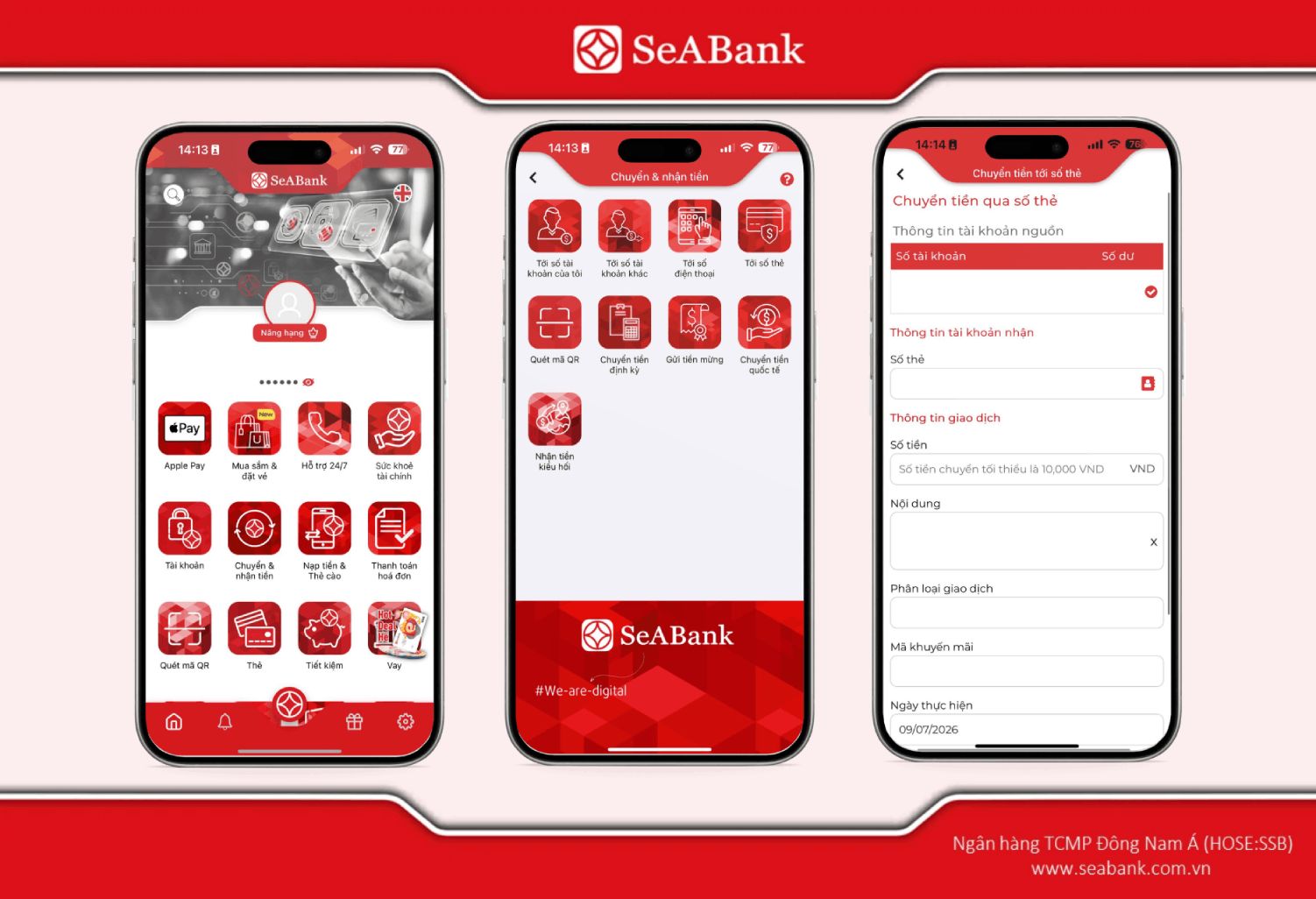
Open an account conveniently with SeABank: If you are considering opening a payment account, experience SeABank's online account opening process on SeAMobile. You can complete eKYC electronic identification directly on your phone, choose an account number according to your needs, then make transfers, pay bills, make QR payments, or open online savings deposits within the same app. Learn more and get started at SeABank's Online Bank Account Opening Guide.
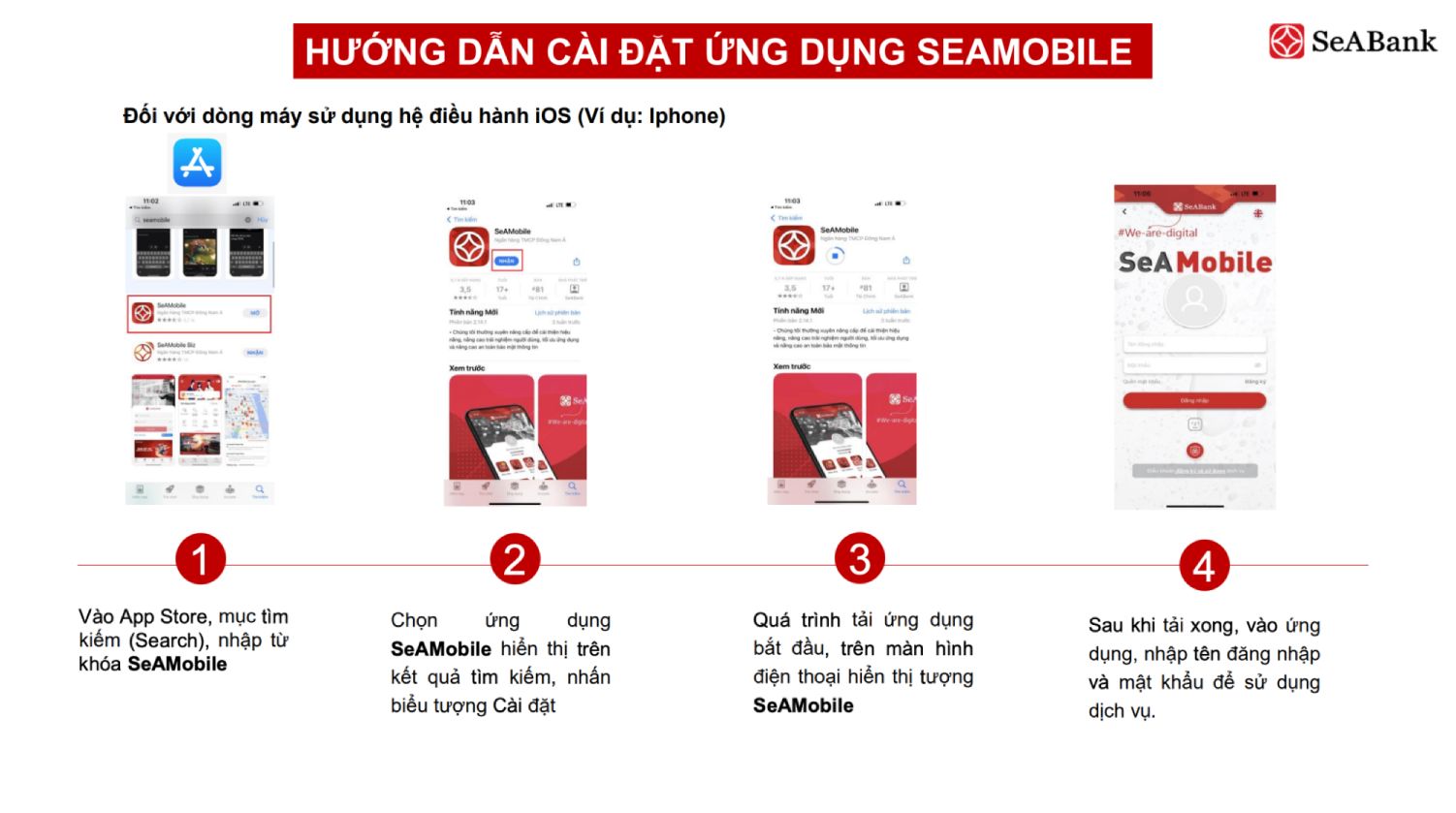
Download the SeAMobile app now on the App Store/Google Play to create an account
7. Important Notes When Using a Payment Account
Do not rent, lend, or buy/sell accounts: This may expose you to the risk of the account being misused for fraudulent purposes and may result in legal liability for the account holder.
Protect login information: Do not share your password, OTP, or card information with anyone, even if they claim to be a bank employee.
Update identification documents and contact information: When your identity documents expire or you change your phone number, notify the bank to avoid transaction disruptions.
Monitor account balance and transactions: Enable balance change notifications to promptly detect unusual transactions.
Understand fees and minimum balance requirements: Carefully review the fee schedule and account maintenance conditions to avoid unexpected charges.
7. Frequently Asked Questions (FAQ)
1. Does a Payment Account Earn Interest?
It may. The balance in a payment account is usually subject to the demand deposit interest rate applied and publicly listed by the bank. This rate is generally lower than the interest rate for term deposits. You should check the bank's current interest rate schedule for updated information.
2. Can One Person Open Multiple Payment Accounts?
Yes, you can open multiple payment accounts at one or more different banks, depending on each institution's policies. However, each account may incur fees and may require a minimum balance, so you should open accounts according to your actual needs.
3. How Is a Payment Account Different from an E-Wallet?
A payment account is a deposit account opened at a bank. An e-wallet is a means of storing monetary value for payments and is usually linked to the account holder's bank account or card. These two tools can complement each other in daily spending.
4. In What Cases Can a Payment Account Be Temporarily Locked?
Depending on the policy and agreement with each bank, an account may be restricted or temporarily locked when identification documents expire and have not been updated, when unusual transactions occur, or when requested by a competent authority. You should contact the bank immediately if you encounter any issue for guidance on how to resolve it.
Understanding what a payment account is helps you become more proactive when receiving money, making transfers, and managing expenses. This is a demand deposit account used for the daily payment needs of individuals and organizations. When using it, you should protect your information and monitor balance movements. If you need further assistance, you can contact the bank for advice.
Southeast Asia Commercial Joint Stock Bank (SeABank)