What Is a Savings Account? Types and a Quick Guide to Opening One
25/09/2026
What is a savings account and how is it different from a payment account? Learn about common types of savings deposits, their benefits, and how to open an account online or at a branch.
As deposit interest rates continue to fluctuate and the need for personal financial accumulation grows, savings accounts remain one of the most popular ways to hold money thanks to their safety and stable earning potential. So what exactly is a savings account, what types are available, and how can you open one quickly and conveniently? The article below will give you a comprehensive overview.
Note: The figures and information in this article are compiled from general market sources and do not apply specifically to SeABank's products.
1. What Is a Savings Account?
A savings account is a type of account offered by banks or credit institutions that allows customers to deposit idle funds into the banking system to earn interest as agreed, rather than for daily transactions or payments.
1.1. Who Can Open a Savings Account
The receipt and management of savings deposits at credit institutions in Vietnam is governed by Circular No. 48/2018/TT-NHNN issued by the State Bank of Vietnam on savings deposits. Under this regulation, savings depositors include Vietnamese citizens aged 18 or older with full civil act capacity; citizens aged 15 to under 18 who are not restricted in their civil act capacity; or, for other cases, deposits made through a lawful representative or guardian.
1.2. Organizations Permitted to Accept Savings Deposits
Under current law, the organizations permitted to accept savings deposits include commercial banks, cooperative banks, microfinance institutions, people's credit funds, and foreign bank branches operating legally in Vietnam.
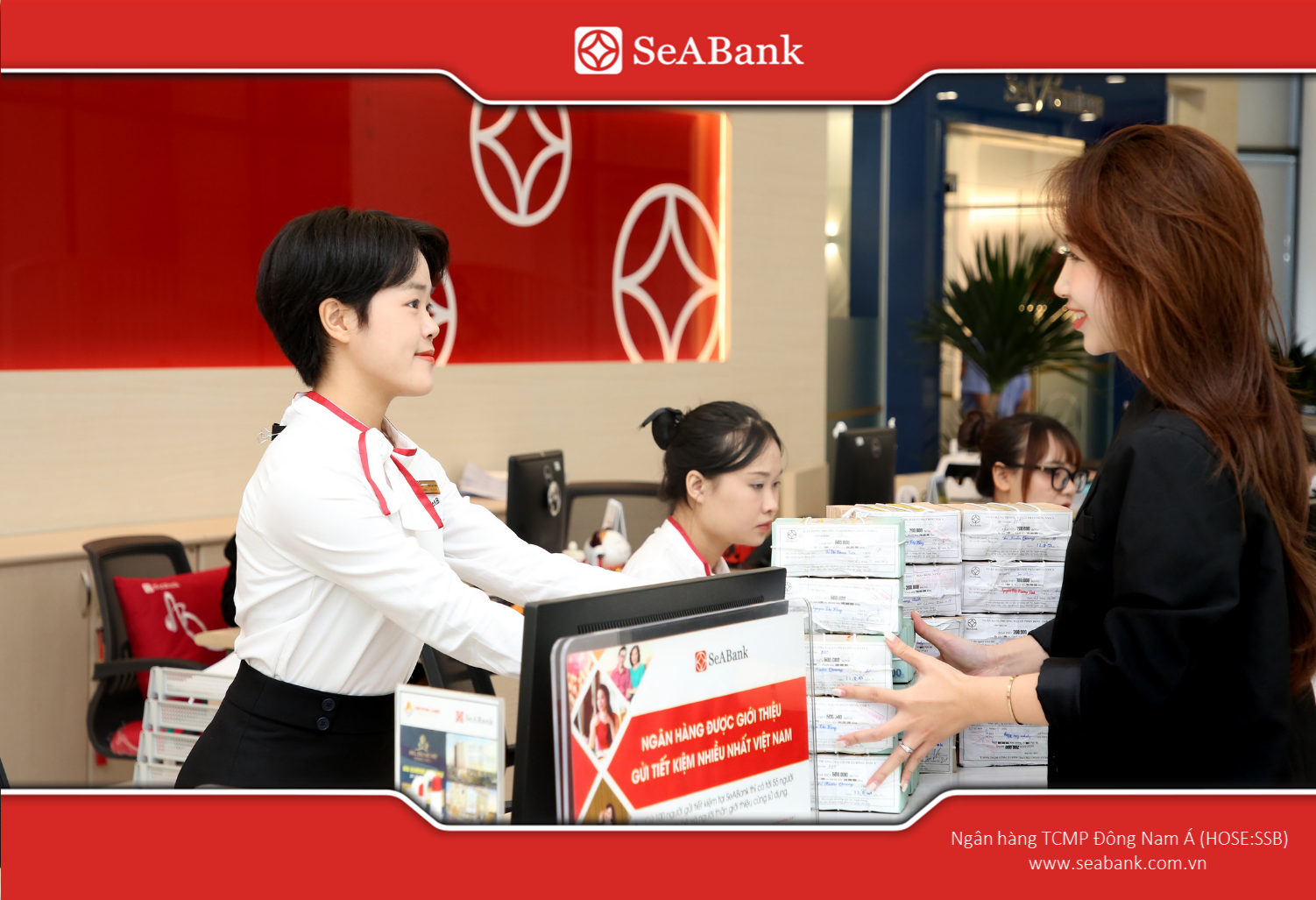
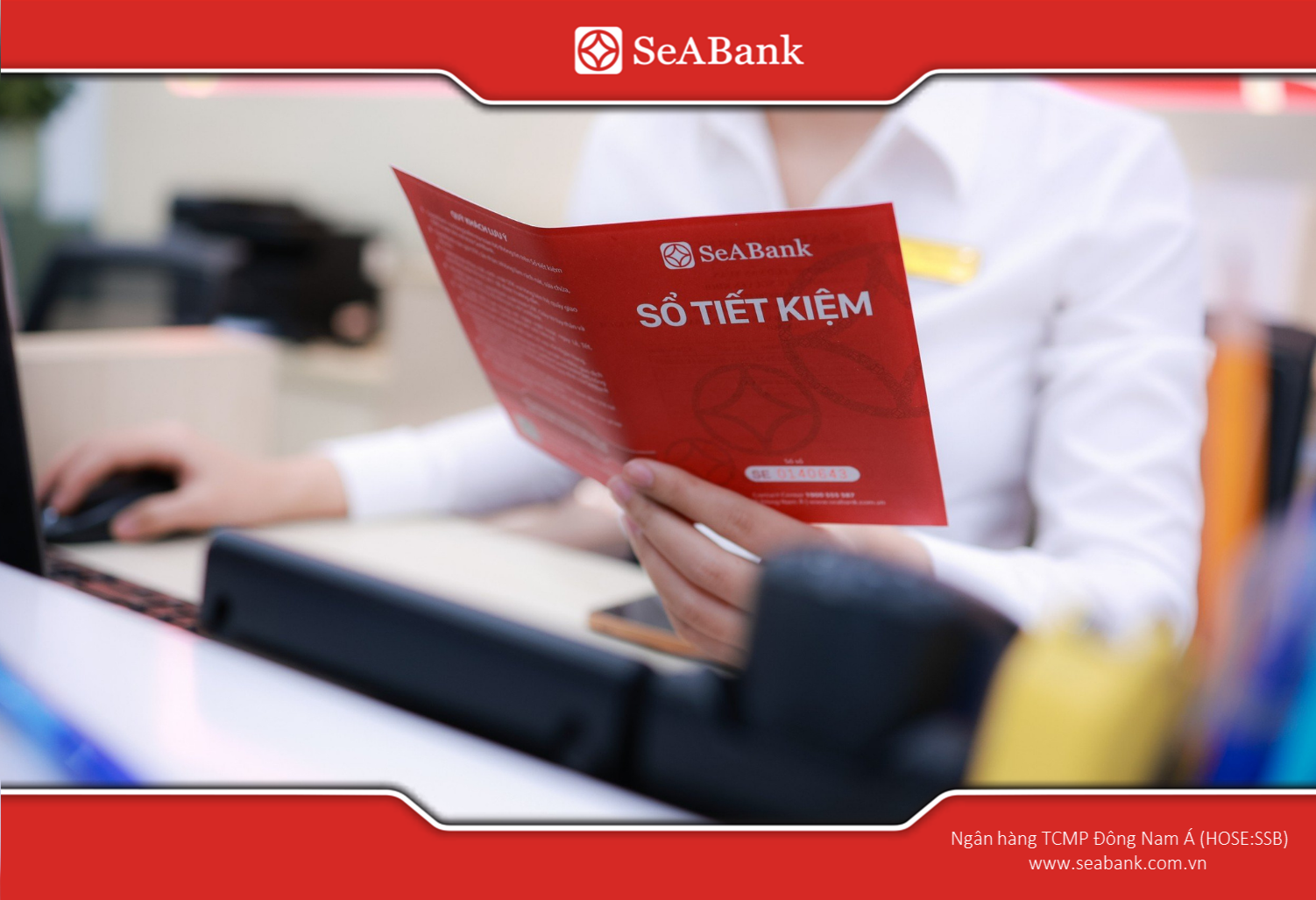
A savings account is a way of depositing idle funds into a bank to earn interest as agreed
2. The Difference Between a Payment Account and a Savings Account
Many people new to managing personal finances often confuse these two types of accounts. Here's a comparison table to help you tell them apart:
Criteria
Payment Account
Savings Account
Purpose
Daily transactions, spending, bill payments, etc.
Accumulating savings and earning interest on idle funds
Interest rate
Usually very low or none
Higher, with the rate depending on the type of savings account and deposit term set by each bank
Liquidity
Withdraw or transfer funds flexibly at any time
Demand deposits: High liquidity — can be withdrawn at any time without penalty or loss of interest. Term deposits: Conditional liquidity. Early withdrawal may result in the entire deposit reverting to the demand-deposit interest rate, or only partial/full withdrawal being allowed depending on the specific product's terms
Maintenance fees
May have account management fees
Usually no maintenance fee
2.1. Key Differences
The biggest difference between the two account types lies in their purpose: a payment account serves everyday spending and transaction needs, with money constantly flowing in and out, while a savings account serves the purpose of accumulating and holding funds for a set period of time to earn a higher interest rate.
2.2. When to Use Which Account
A payment account suits funds you need to use regularly, while a savings account suits idle funds you don't plan to spend in the short term. Many people choose to use both: keeping part of their money in a payment account for spending, and moving the rest into a savings account to optimize earnings.
3. Common Types of Savings Deposits Today
Depending on the classification criteria, savings deposits can be divided into several categories. Below are the three most common ways to classify them.
3.1. Classification by Term
Term savings: Customers deposit money for a predetermined period (1 month, 3 months, 6 months, 12 months, etc.) and commit not to withdraw early in order to earn the agreed interest rate. If withdrawn early, customers typically only receive the demand-deposit interest rate as set by the credit institution.
Demand (non-term) savings: Customers can deposit and withdraw money flexibly at any time without prior notice. In exchange, the interest rate applied to demand deposits is usually quite low compared to term deposits.
Accumulated savings (recurring deposits): Suitable for people who want to build a habit of saving regularly instead of depositing a large lump sum at once. Customers register to contribute a fixed amount periodically (weekly or monthly) to gradually build up savings for financial goals such as buying a home, studying abroad, or building an emergency fund.
3.2. Classification by Transaction Channel
In-branch (offline) savings: Customers carry out the transaction directly at a bank branch or transaction office.
Online savings: Customers complete the entire process of opening, renewing, or closing a savings account directly on the bank's digital app, with no need to visit a branch.
3.3. Classification by Interest Payment Schedule
Interest paid at maturity: All interest is paid in one lump sum when the savings account matures.
Interest paid upfront: Interest is advanced at the start of the deposit period.
Interest paid periodically: Interest is paid at regular intervals (monthly or quarterly) throughout the deposit term.
Customers can choose a savings method based on term, transaction channel, or interest payment schedule to suit their financial goals
4. Benefits of Using a Savings Account
4.1. Financial Benefits
Asset safety: Deposits held at legally licensed credit institutions are protected under Vietnamese deposit insurance regulations, giving depositors greater peace of mind than holding cash.
Passive income: Instead of leaving idle funds earning nothing, a savings account allows your money to grow over time through interest.
High flexibility: With a variety of term options, customers can actively plan their cash flow to suit near-term or long-term needs.
4.2. Benefits for Personal Cash Flow Management
Building financial discipline: Especially with recurring/accumulated savings, making regular deposits helps people build stronger spending habits and clearer financial planning.
Convenient transactions: With the growth of digital banking, opening, closing, or renewing a savings account can now be done entirely online without visiting a branch.
Maintaining a savings account regularly helps preserve assets, generate passive income, and build healthy financial management habits
5. How to Open a Savings Account
5.1. Opening a Savings Account at a Branch
Visit a bank branch or transaction office, bringing a valid ID document (valid ID card/passport).
Fill in the registration form provided by the teller.
Deposit funds as instructed by the teller.
Receive your savings book or deposit confirmation, according to the bank's procedures.
5.2. Opening a Savings Account Online
Log in to your digital banking app (for SeABank individual customers, this is the SeAMobile app).
Select the savings deposit feature on the app.
Choose the term and deposit amount that suits your needs.
Verify the transaction as instructed and complete the process.
5.3. Things to Keep in Mind When Opening a Savings Account
Read the terms on term length and early-withdrawal interest rates carefully before confirming the transaction.
Keep your digital banking login information secure, and never share your OTP code with anyone.
Consider a term that matches your plans for using the money, to avoid having to close the account early.
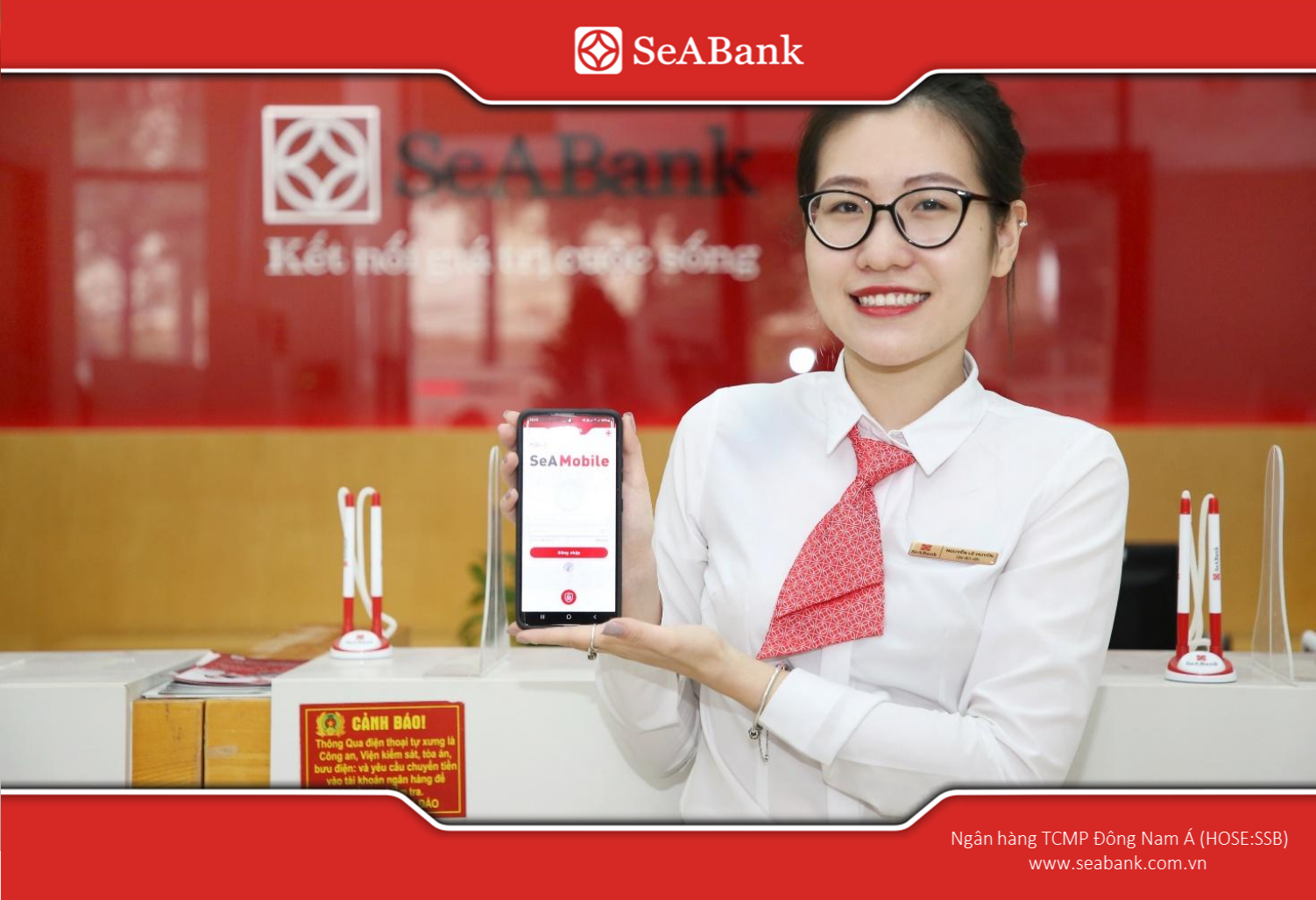
Customers can quickly open a savings account right on SeAMobile
6. Criteria for Choosing a Bank to Open a Savings Account
Credibility and system safety: Prioritize banks with strong financial capacity, sound risk management, and a transparent operating history to effectively safeguard your funds.
Actual interest rates by term: Carefully compare interest rate schedules across different terms; pay particular attention to the rate difference between online deposits (usually higher) and in-branch deposits.
Flexible deposit products: Choose a bank offering a variety of formats, such as tiered savings (higher deposits earn higher interest), recurring/accumulated savings, or products that allow flexible early withdrawal of principal for unexpected needs.
Digital experience (mobile banking): A smooth-running banking app that makes opening and closing accounts easy, with clear tracking of balance and interest changes.
Network and customer service: Conveniently located branches if you prefer a physical passbook, along with fast, well-supported procedures.
Optimize your savings with SeABank: If you're looking for a bank that meets these criteria well, try SeABank's online savings service on the SeAMobile app. You can proactively open a savings account anytime, anywhere, with peace of mind thanks to modern biometric security, and easily optimize your returns through a range of flexible deposit solutions. Learn more about current offers and open an account at SeABank's Personal Savings page.
7. Frequently Asked Questions (FAQ)
1. Is online savings safe?
Online savings at banks licensed by the State Bank of Vietnam and operating legally, with security measures and electronic identification (eKYC) in place as required, allow transactions to be carried out safely. Customers should keep their login information and OTP code secure to avoid risk.
2. Will I lose interest if I withdraw my savings early?
Generally, if you withdraw before the term ends, you will not receive the agreed term interest rate but will instead be paid at the demand-deposit rate applicable at the time of withdrawal, depending on the credit institution's regulations.
3. Can I open multiple savings accounts at the same time?
Yes, customers can open multiple savings accounts/books with different terms at the same bank or across different banks to manage their cash flow flexibly.
4. What term length should I choose for my savings?
This depends on each person's plans for using their money. If you don't need the funds in the short term, you may consider a longer term (12 months, 36 months, etc.) to optimize interest; conversely, if you might need the money sooner, it's better to choose a shorter term (1, 3, or 6 months) or a demand deposit for greater flexibility.
As you can see, a savings account is not only a safe way to hold your money but also a useful tool for building the habit of saving and optimizing your idle cash flow. Choosing the right deposit type, term, and a reputable bank will help you feel more confident on your personal financial management journey.
We hope this information has helped you better understand what a savings account is and how to open one quickly and conveniently. If you have any further questions, feel free to contact SeABank or visit your nearest branch/transaction office for detailed assistance.
Southeast Asia Commercial Joint Stock Bank (SeABank)