What Is a Multi-Function Card? Key Features and How to Choose the Right One
09/10/2026
What is a multi-function card, how does it differ from traditional cards, and what should you keep in mind when using one? Explore its key features, selection criteria, and a multi-function card worth considering.
Multifunction cards are attracting growing interest thanks to their flexible payment capabilities and ability to optimize spending sources. With just one card, users can switch between their payment account and credit limit instead of carrying multiple separate cards. So, what is a multi-function card, how does it differ from traditional cards, and what should you keep in mind when using one? Find out in detail in the following article.
Note: The figures and information in this article are compiled from general market sources and do not apply exclusively to SeABank's products.
1. What Is a Multi-Function Card?
A multifunction card (also known as an integrated “2in1” card) is a type of bank card that allows users to access two sources of funds simultaneously-a payment account and a credit limit-on a single card, instead of having to own a separate debit card and credit card as before.
With a multi-function card, cardholders can proactively choose the appropriate source of funds for each transaction:
Use funds in the payment account when they want to spend from their available balance.
Use the credit limit when they need to spend in advance and repay the bank according to the statement cycle.
Multi-function cards are now commonly issued in both physical and virtual forms, making them suitable for both in-person payments and online transactions.
2. Key Features of Multi-Function Cards Today
Flexible "2-in-1" integration: Allows users to use available funds in their payment account (debit card) for cash withdrawals/purchases while also using a credit limit to spend now and pay later, all on a single card.
Advanced security technology & Information protection: Many modern cards are designed as virtual cards or physical cards without information printed on the surface (such as the card number, expiration date, and CVV code), providing greater security for online transactions or if the physical card is lost.
Contactless payments (Contactless): Supports tap-to-pay for fast and convenient transactions. In particular, some cards can be easily linked to modern payment services such as Apple Pay, Google Pay, Samsung Pay, and other domestic and international payment applications.
Smart financial management via the application: Cardholders can easily monitor all balance movements, view transaction history in real time, lock/unlock the card in emergencies, and enable/disable Internet spending directly through the digital banking application.
Extensive rewards and cashback ecosystem: Enjoy exclusive promotional programs, reward points, significant discounts from affiliated partners (dining, shopping, travel, entertainment, healthcare), and attractive monthly/annual cashback policies.
Flexible installment support: Easily convert high-value purchases into installment plans with 0% interest directly through the application or at thousands of merchants affiliated with the bank.
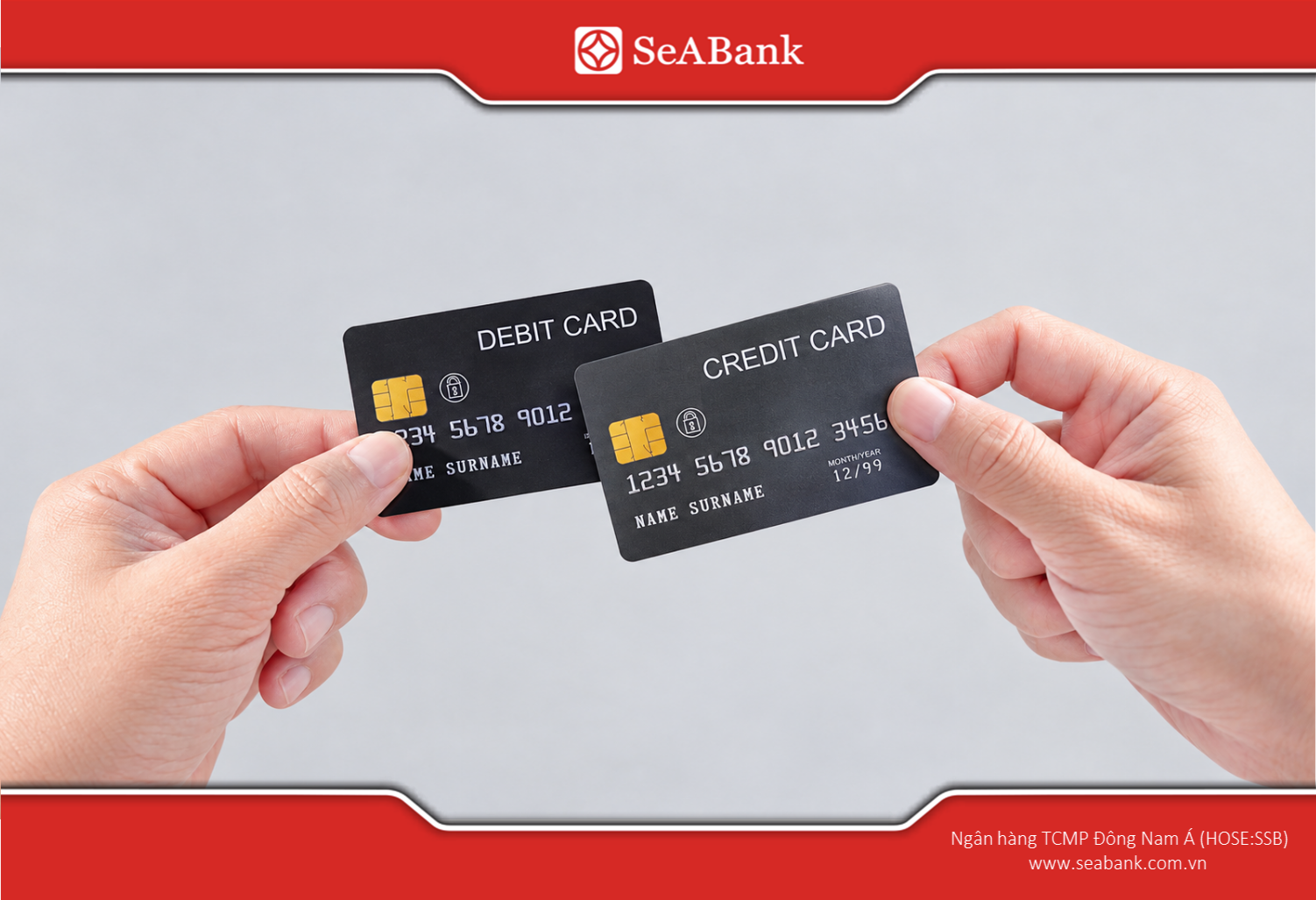
Multi-function cards integrate a payment account and credit limit on a single card
3. Differences Between Using an Integrated Multifunction Card and Using Separate Traditional Cards
Compared with owning both a debit card and a credit card, a multi-function card offers several notable differences in terms of convenience and management:
Comparison criteria
Integrated multi-function card ("2-in-1")
Separate traditional cards (Debit card + Credit card)
Number of cards to carry
Only 1 card in your wallet, making it compact and space-saving.
At least 2 cards or more (1 debit card and 1 or more credit cards).
Account & Application management
Easily manage both payment account funds and the credit limit through the same account/application interface.
Management is spread across multiple cards or separate limits, making it easier to become confused when checking information.
Payment process
Flexibly switch the source of funds for payment (paying with available funds or using the credit limit) directly through the application or according to a preset priority.
You need to remember to select the correct card (which card to use for cash withdrawals/card payments) depending on whether you want to use available funds or credit.
Risk of loss & Security
Reduces risk because you only need to manage the password, PIN, and protect one card.
Higher risk of loss when carrying multiple cards, as cards can be more easily forgotten or dropped during use.
Card opening requirements
Usually involves slightly stricter eligibility requirements (because credit functionality is also integrated).
A debit card is easy to obtain (you only need a payment account), while a credit card still requires proof of income.
Overall, multifunction cards are suitable for users who want to simplify personal financial management, while separate traditional cards remain suitable for those who prefer a clear distinction between spending from available funds and spending using a credit limit.
4. Information Security Considerations When Using New-Generation Multifunction Cards
To proactively protect your personal and account information when using a multi-function card, you should keep the following points in mind:
Do not provide your card number, CVV code, or OTP code to anyone, including anyone claiming to be a bank employee.
Enable balance change notifications to detect unusual transactions early.
Use the temporary card lock/unlock feature on the banking application if you suspect that your card information has been exposed or the card has been lost.
Fully update your biometric information as required to avoid interruptions when making transactions through electronic means.
Be cautious when making contactless payments in crowded places and maintain a reasonable distance from card readers to reduce the risk of unauthorized data scanning.
Avoid making card transactions over unsecured public Wi-Fi networks.
5. Criteria for Choosing a Bank to Issue a Multifunction Card
To choose a reputable and suitable bank for opening a multi-function card (Hybrid), you should carefully consider the following 5 important criteria:
Credit limit and Competitive fee schedule:
Consider whether the maximum credit limit granted by the bank for the credit card function meets your spending needs.
Carefully compare different fees: issuance fees, annual fees (prioritize banks that waive the fee for the first year or offer lifetime fee waivers when spending requirements are met), cash withdrawal fees, and especially credit card interest rates when an outstanding balance arises.
Rewards and Cashback ecosystem: Each bank partners with different merchants. Choose a bank with promotional programs, reward points, or cashback that match your lifestyle and spending habits (for example: frequent online shopping, frequent travel, dining at restaurants, or refueling...).
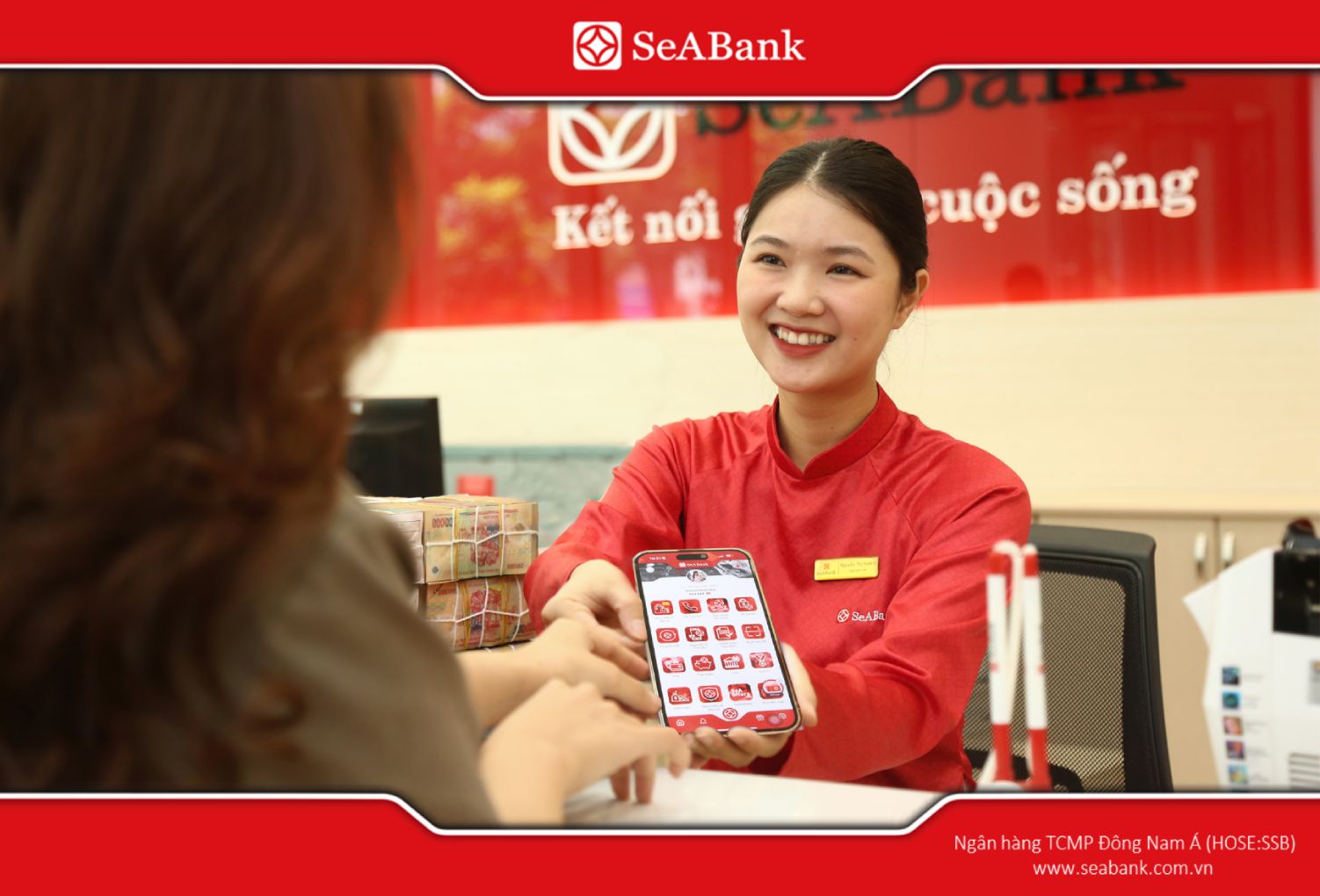
Quality of the digital banking application (Mobile Banking App): Because multi-function cards require a high level of flexibility in switching payment sources, locking/unlocking cards, and monitoring transactions, the banking application should have a user-friendly and smooth interface, strong security, and real-time (real-time) balance updates.
Security technology and Digital payment features: The bank should fully support advanced technologies such as contactless payments (Contactless), emergency card lock/unlock features, and especially the ability to quickly link the card with popular international digital wallets such as Apple Pay, Google Pay, and Samsung Pay.
Transaction network and Customer service:
Prioritize large banks with extensive transaction office networks or convenient fast/online card issuance services.
Responsive and professional customer support (24/7 Hotline) is extremely important in emergencies such as a lost card, international card blocking, or disputes over failed transactions.
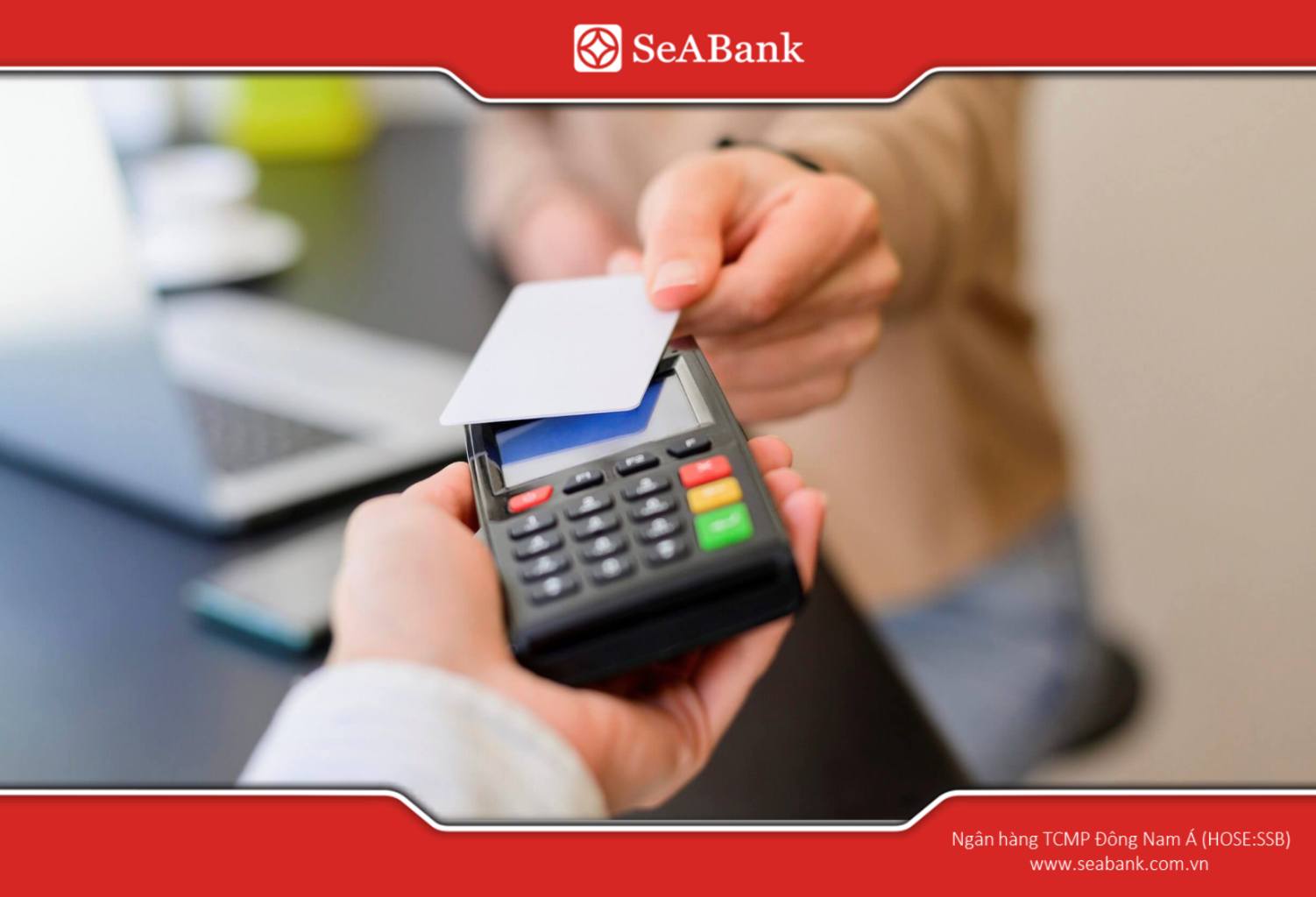
Prioritize banks that fully support advanced technologies such as contactless payments
6. Experience the Digital Finance Trend with the Visa SeASoul 2in1 Multi-Function Card from SeABank
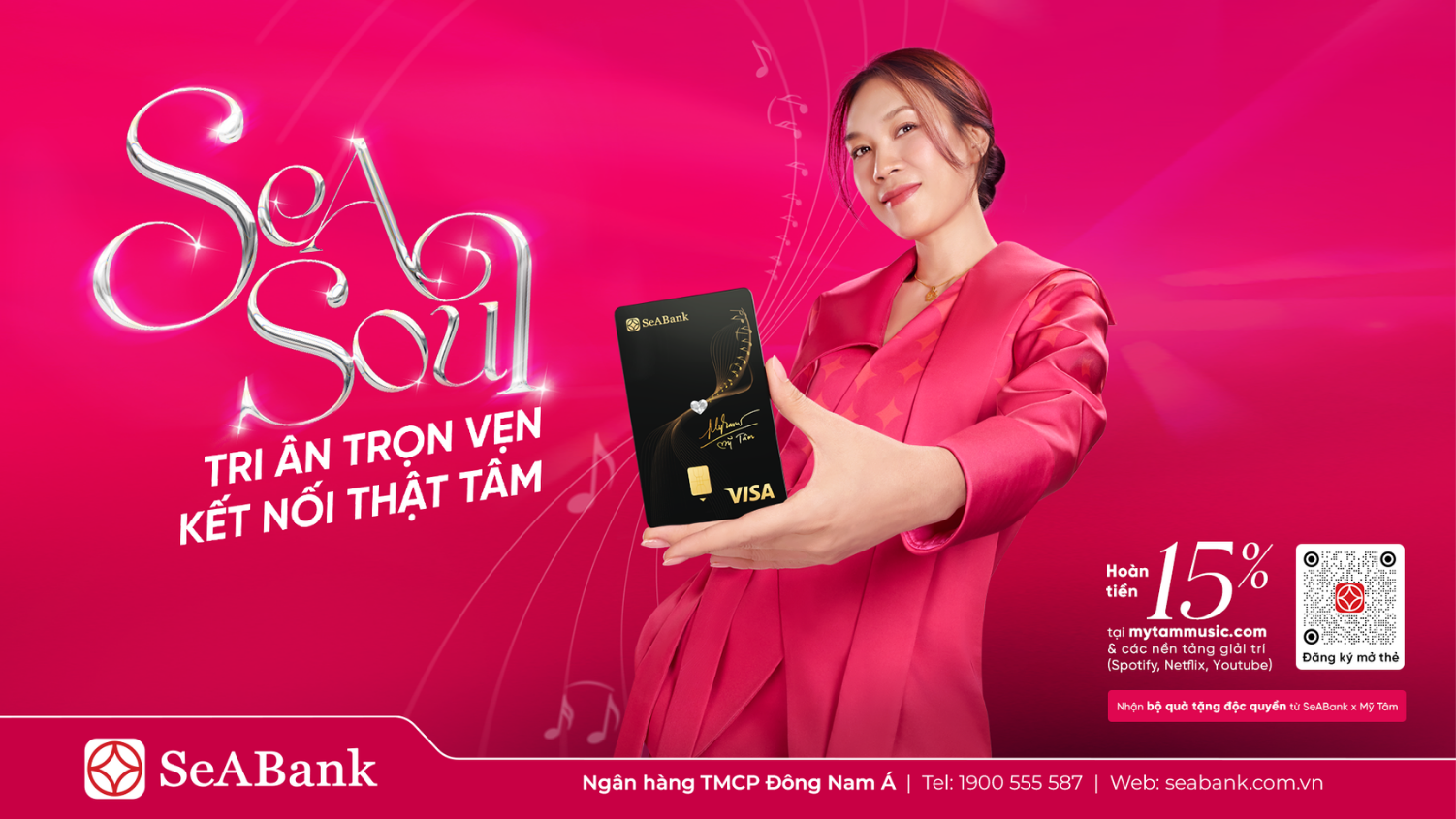
If you are looking for a "2-in-1" financial solution that is smart and flexible while also expressing individuality and emotion, theVisa SeASoul 2in1 Multi-Function Card (a special collaboration between SeABank, Visa, and singer Mỹ Tâm) is an option not to be missed:
Flexible "2in1" feature: Integrates both funds from a payment account and a credit limit on a single card, allowing you to easily switch your spending source anytime, anywhere.
Technology experience & Premium entertainment privileges:
Integrates unique NFC communication technology ("a card that sings" - tap the card to play Mỹ Tâm's music on Spotify), along with modern secure payment technologies such as Apple Pay, Samsung Pay, and contactless.
15% cashback on transactions at the website: mytammusic.com and platforms: Spotify, Netflix, YouTube, and 1% cashback in Dining, Travel, Arts and Culture, and Entertainment.
For each newly opened and successfully activated SeASoul Card, SeABank will contribute VND 3,000 together with SeABank's Charity Fund & Mỹ Tâm's MT Foundation to support charitable activities.
Attractive financial benefits:
Waiver of the annual fee for the primary card in the first year.
100% waiver of the transaction setup fee for 3-month installment plans and 100% cashback on the beautiful account number fee.
Register for a SeASoul 2in1 Cardtoday via the SeAMobile application or at SeABank transaction offices nationwide to enjoy a modern, optimized, and inspiring financial lifestyle!
Enjoy a wide range of benefits when making payments with the SeASoul multi-function card from SeABank
7. Frequently Asked Questions About Multi-Function Cards
1. Is a multifunction card a credit card? Not entirely. A multifunction card integrates the functions of both a debit card (linked to a payment account) and a credit card on a single card, allowing cardholders to proactively select the appropriate source of funds for each transaction.
2. Does a multi-function card charge an annual fee? Depending on each bank's policy, a multi-function card may be subject to an annual fee or the fee may be waived for the first year if the customer opens and activates a new card. You should check the official fee schedule before applying.
3. What are the requirements for opening a multi-function card? Common requirements usually include: having a payment account at the issuing bank and meeting age, income, or credit history requirements to qualify for the associated credit limit. Specific requirements may vary depending on the bank.
4. Can a multi-function card be used for international payments? Most multi-function cards today are issued on international card networks (such as Visa), so they can be used for payments at merchants that accept the card worldwide or for online transactions.
5. What should I do if I lose my multifunction card? You should immediately temporarily lock the card through the banking application or contact the call center for prompt card-blocking assistance, then follow the issuing bank's instructions to request a replacement card.
The article above has helped answer the question, “What is a multi-function card?” As can be seen, a multi-function card is a modern payment solution that combines multiple financial needs into a single card while maintaining flexibility and security. When choosing one, you should consider the credit limit, cashback policy, and security technology that best match your spending habits. If you are looking for a multi-function card with a wide range of benefits, SeABank's Visa SeASoul 2in1 Multi-Function Card is an option worth considering.
Southeast Asia Commercial Joint Stock Bank (SeABank)