What Is an Exchange Rate? Types of Exchange Rates and Factors Affecting Foreign Exchange Rates
09/10/2026
What is an exchange rate, what types of exchange rates are there, and what factors affect foreign exchange rates? Learn more to better manage currency transactions and conversions.
In international transactions such as money transfers, payments, and investments, the exchange rate is an important factor that everyone should understand before converting currencies. So, what is an exchange rate, how is it classified, and what factors affect it? This article will help you understand the concept and monitor and use exchange rates more effectively in your daily foreign currency transactions.
Note: The figures and information in this article are compiled from general market sources and do not apply exclusively to SeABank's products.
1. What Is an Exchange Rate?
An exchange rate (or foreign exchange rate) is the rate at which one country's currency is exchanged for another country's currency. In other words, it indicates how many units of domestic currency are needed to exchange for one unit of foreign currency, or vice versa.
According toClause 5, Article 6 of the 2010 Law on the State Bank of Vietnam, the exchange rate of the Vietnamese dong is defined as the price of one unit of foreign currency expressed in Vietnamese dong. Article 13 of this Law also stipulates that the exchange rate of the Vietnamese dong is formed based on foreign currency supply and demand in the market with State regulation. The State Bank of Vietnam is responsible for announcing exchange rates, determining the exchange rate regime, and establishing the exchange rate management mechanism.
Illustrative example:
If the USD/VND exchange rate is 25,000, this means that USD 1 is equivalent to VND 25,000 at the exchange rate announced at that time. The actual exchange rate may vary depending on the time, type of transaction, and service provider.
Note: This example is for illustrative purposes only and does not represent the actual exchange rate at the time you read this article.
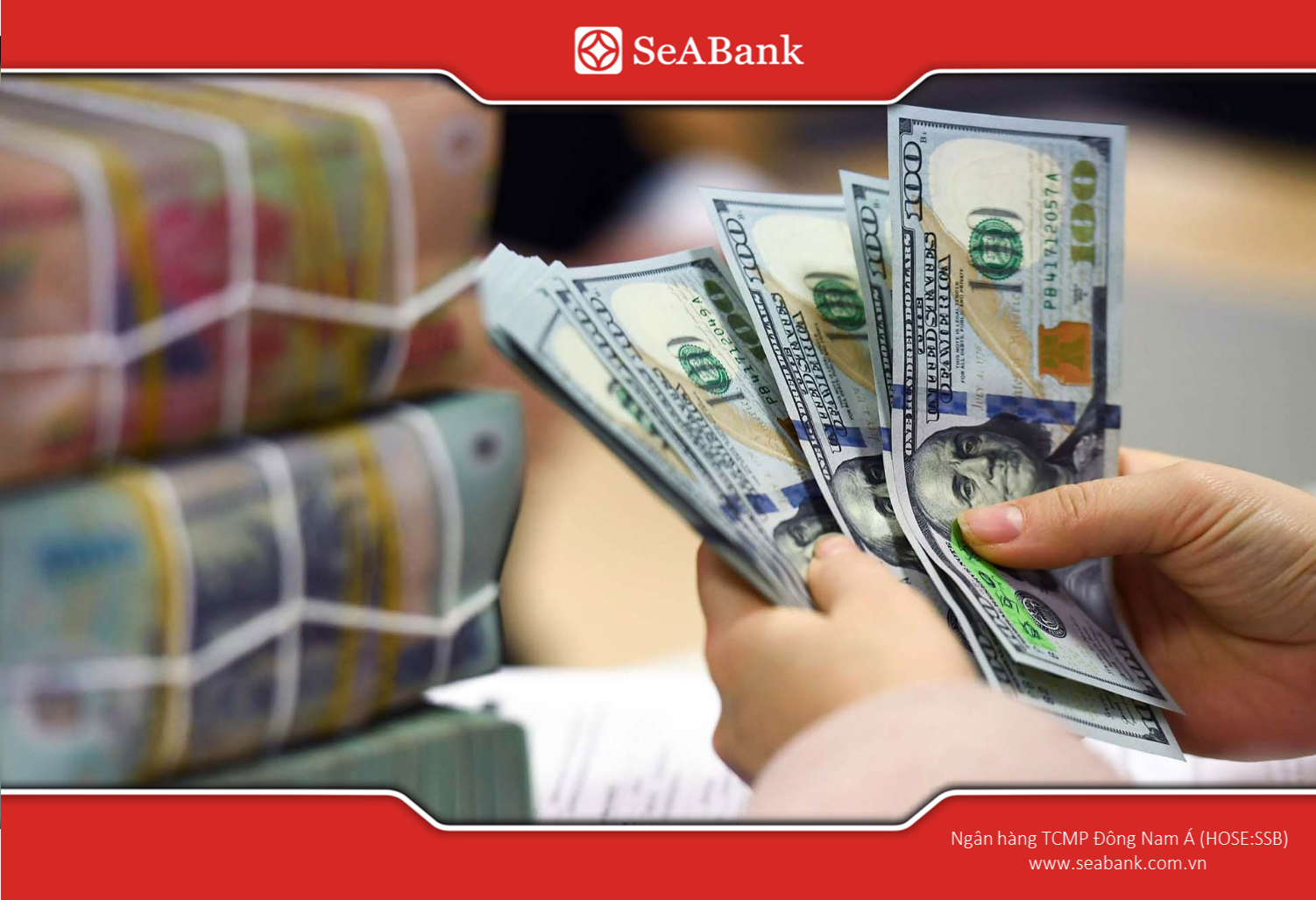
Exchange rates reflect the relative value of the Vietnamese dong against foreign currencies.
Need to keep up with the latest exchange rate movements for your financial plans?
Exchange rates can be classified in different ways depending on the criteria used. Two of the most common classifications in foreign currency transactions at banks are based on buying and selling rates and on the timing of the transaction.
2.1. Buying and Selling Exchange Rates
Buying rate: The rate at which the bank buys foreign currency from customers, for example when a customer sells USD, EUR, etc. in exchange for VND.
Selling rate: The rate at which the bank sells foreign currency to customers, for example when a customer converts VND into foreign currency to send money abroad or make international payments.
The selling rate is generally higher than the buying rate. This difference is one of the sources of revenue for banks when providing foreign currency exchange services.
2.2. Spot and Forward Exchange Rates
Spot rate: The rate applied to foreign currency transactions that are executed and settled immediately or within a very short period (usually within two business days at most). This is the most common rate for everyday money transfers and currency exchanges.
Forward rate: A rate agreed upon by the parties at the present time, while the currency conversion and settlement take place on a specified date in the future. Businesses and individuals who plan to use foreign currency in the future often choose this type of rate to keep costs predictable and reduce the risk of exchange rate fluctuations.
3. Factors Affecting Foreign Exchange Rates
Exchange rates are not fixed. They fluctuate continuously under the influence of various economic and financial factors, including:
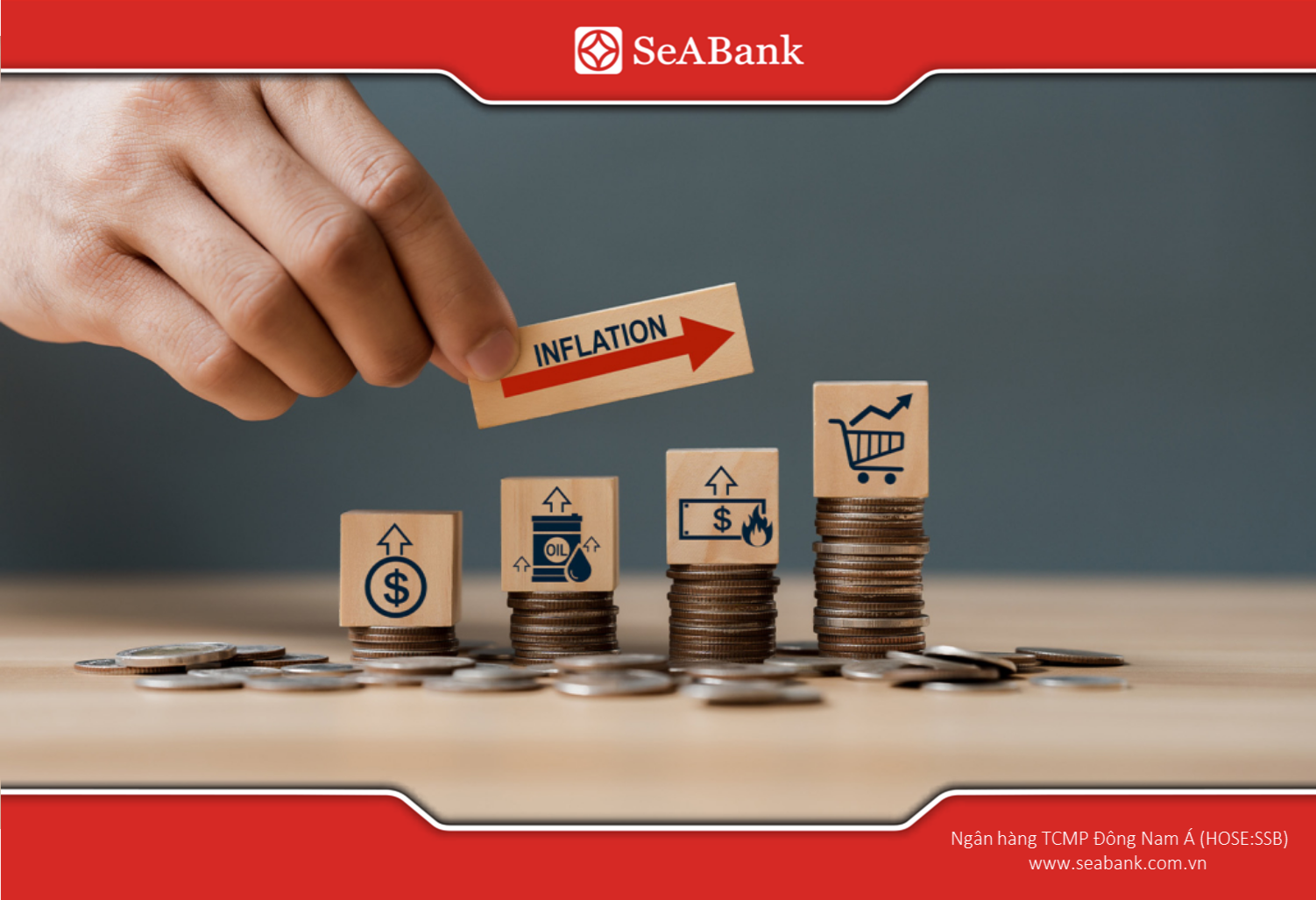
Inflation: When domestic inflation rises significantly, the value of the domestic currency tends to fall against foreign currencies, causing the exchange rate to increase.
Interest rates: Interest rate differences between currencies affect investment capital flows. Capital tends to move toward markets offering more attractive interest rates, influencing foreign currency supply and demand and, consequently, exchange rates.
Trade balance and balance of payments: When a country exports more than it imports (a trade surplus), demand for its domestic currency generally increases. Conversely, a trade deficit may put pressure on the exchange rate.
The State Bank of Vietnam's exchange rate management policies: The State Bank uses monetary policy tools, trading bands, and interventions in the foreign exchange market when necessary to stabilize exchange rates.
Market sentiment and expectations: Domestic and international economic and political events, as well as fluctuations in major global currencies, can influence investor sentiment and expectations, thereby affecting exchange rates in the short term.
Multiple macroeconomic factors influence exchange rate movements over time.
4. Important Considerations Regarding Foreign Exchange Rates
To use and track exchange rates more effectively in foreign currency transactions, keep the following points in mind:
Exchange rates change throughout the day and can differ between banks. Check the rate at the exact time of your transaction rather than relying on outdated information.
The selling rate is usually higher than the buying rate. This is normal in banks' foreign currency business.
For large transactions, or those planned for the future (for example, study abroad, relocation, or investment), consider a forward rate to manage costs more proactively and reduce exchange rate risk.
Choose a reputable, licensed foreign exchange channel with a transparent, frequently updated rate lookup tool before converting currency.
5. Frequently Asked Questions (FAQs)
1. Are exchange rates and foreign exchange rates the same?
Yes. Essentially, the two terms are used interchangeably to refer to the conversion ratio between two currencies.
2. Why do banks' buying and selling rates differ?
The buying and selling rates differ because this is how banks sustain their operations and cover business costs.
3. Does the exchange rate change during the day?
Yes. Exchange rates may be adjusted several times a day due to the influence of many economic and financial factors.
4. Where should I check exchange rates for up-to-date information?
Check the bank's official website or app for continuously updated, officially listed exchange rates.
Optimize your foreign currency transaction costs with SeABank today! Stay on top of market movements with the SeABank Online Exchange Rate Lookup Tool with data updated hourly.
If you need foreign currency for study abroad, relocation, tuition or medical expenses, or overseas investment, explore SeABank International Money Transfer Services for fast, hassle-free procedures, reduced exchange rate risk, and highly competitive fees.
International Money Transfers – One Solution for Every Need at SeABank
Understanding what an exchange rate is, how exchange rates are classified, and the factors that affect them will help you better plan currency conversions and foreign currency transactions while reducing the risks associated with market fluctuations. Since exchange rates change continuously in real time, regularly checking reliable sources is essential before making any transaction.
Southeast Asia Commercial Joint Stock Bank (SeABank)