News
Business Loans for Manufacturing and Production: Financing Solutions for Operations and Business Expansion
 02/10/2026
What is a manufacturing and business loan? Learn about loan purposes, eligibility requirements, application documents, procedures, and key considerations when preparing a manufacturing and business loan proposal.
Manufacturing and business loans are an ongoing financing need for businesses and enterprises involved in manufacturing and processing. Whether purchasing raw materials for seasonal production, investing in machinery and production lines, or paying employee wages, every stage requires a stable source of working capital. This article explores the specific financing needs of the manufacturing sector, common loan options, eligibility requirements, application procedures, and how to develop a viable business plan to improve your chances of loan approval.
1. Financing Needs in Manufacturing and Business Operations
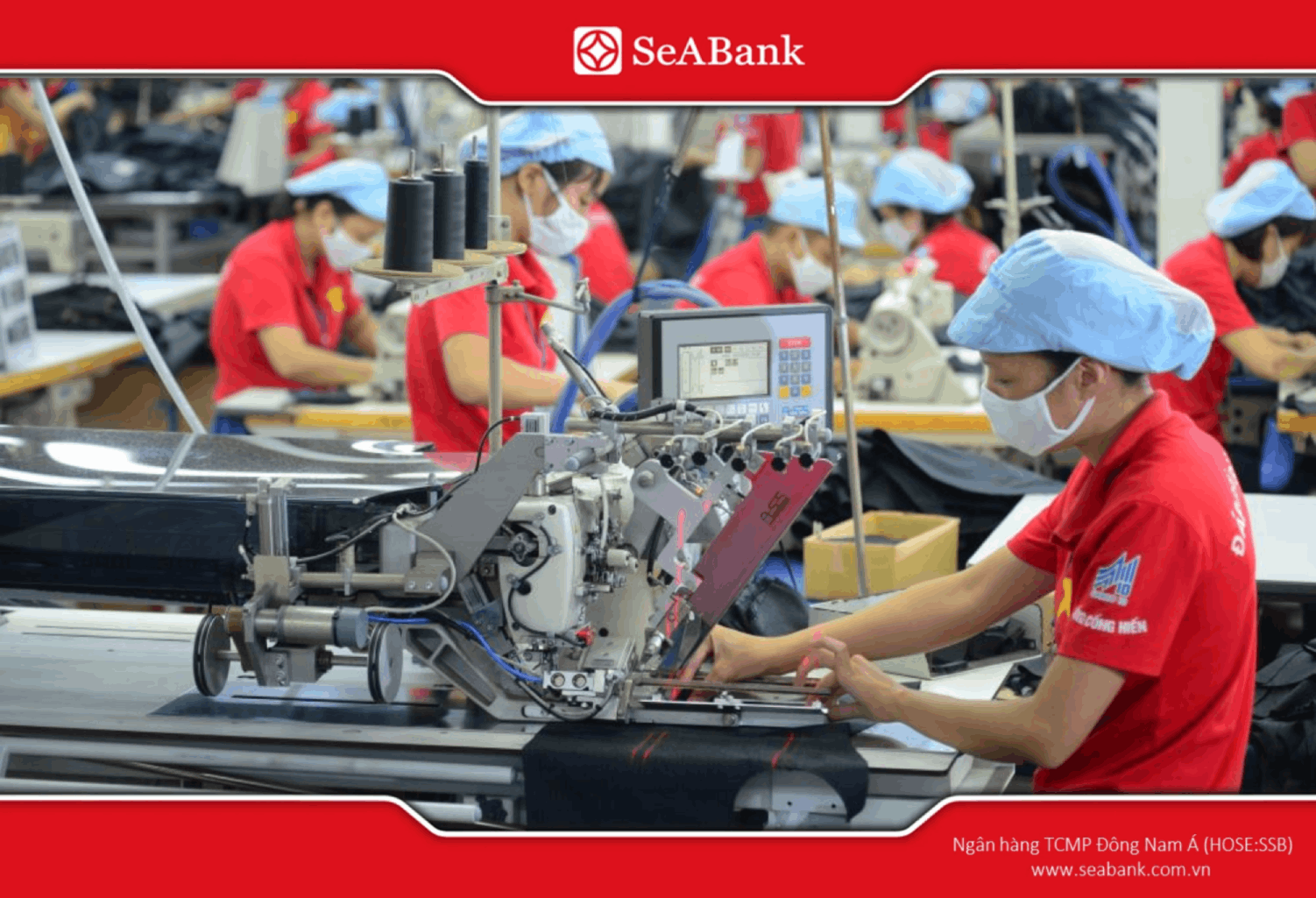
Unlike service businesses or purely commercial enterprises, manufacturing involves more complex capital cycles, as businesses must complete multiple production stages before generating revenue from finished goods.
1.1. High and Seasonal Working Capital Requirements
A manufacturing facility typically requires substantial working capital to maintain uninterrupted operations, including:
- Purchasing large quantities of raw materials, particularly when prices are favorable or during harvest seasons.
- Paying employee wages and bonuses in line with seasonal production demands, which may increase significantly during peak order periods.
- Covering operating expenses such as electricity, water, warehousing, and transportation throughout the production process.
1.2. Investment in Machinery and Business Expansion
In addition to short-term working capital, manufacturing businesses also need medium- and long-term financing to:
- Purchase new machinery or upgrade production technology to improve productivity.
- Expand factories and warehouses to accommodate growing order volumes.
Given this cash flow pattern of seasonal revenue and ongoing expenses, choosing a loan with a repayment term and structure that aligns with the production cycle is essential. It allows businesses to manage their capital effectively without placing excessive pressure on liquidity.
2. Comparing Manufacturing and Business Loans with Other Loan Types
The following table compares manufacturing and business loans with other common types of financing:
(*) Loan limits depend on each bank's policies at a given time and may not apply to all cases.
3. Types of Manufacturing and Business Loans Available Today
Banks currently offer various types of manufacturing and business loans to meet different business scales and capital requirements.
3.1. Classification by Loan Term
- Short-term loans (under 12 months): Suitable for supplementing working capital, purchasing raw materials, and paying workers during individual production cycles.
- Medium- and long-term loans (over 12 months): Suitable for investing in machinery and equipment, constructing factories, or expanding existing facilities.
3.2. Classification by Collateral
- Secured loans: Backed by real estate, machinery and equipment, inventory, or other valuable papers, and typically offer higher loan limits.
- Unsecured loans: Based on the customer's business plan, cash flow, and creditworthiness, making them suitable for household businesses and small enterprises that do not have substantial collateral.

4. Eligibility Requirements, Documentation, and Loan Procedures
4.1. Common Loan Eligibility Requirements
Eligibility requirements for manufacturing and business loans may vary depending on the customer, purpose of the loan, credit product, and each bank's policies. Common requirements include:
- Being an individual, household business, or enterprise legally registered to operate in manufacturing or business.
- Having a viable manufacturing or business plan and clearly demonstrating the intended use of funds.
- Having sufficient financial capacity to repay the principal and interest within the agreed loan term.
- Having a good credit history, with no bad debts at credit institutions.
- Having collateral (for loans that require security) or meeting the bank's requirements for unsecured loans.
4.2. Required Documentation
Banks typically require some of the following documents:
- Personal identification and legal documents for individuals, household businesses, or enterprises (Citizen Identity Card, business registration certificate, etc.).
- A manufacturing or business plan, or a plan for using the loan.
- Financial statements, accounting records, or documents proving revenue and cash flow from manufacturing and business operations.
- Documents related to collateral, if applicable.
4.3. Loan Application Process
- Research and select a loan package that suits your financing needs and production and business cycle.
- Prepare all required documents according to the bank's instructions.
- Submit the application and work with a credit officer for consultation and assessment.
- The bank assesses the business plan, collateral (if any), and repayment capacity.
- Sign the credit agreement and receive disbursement either in stages or as a lump sum, depending on the agreement.
5. Key Considerations for Demonstrating a Viable Manufacturing and Business Plan
One of the most important factors affecting the approval of a manufacturing and business loan application is the viability of the plan presented to the bank.
5.1. Develop a Clear and Well-Substantiated Business Plan
- Clearly specify the purpose of the loan, such as purchasing raw materials, investing in machinery, or expanding factory facilities.
- Provide projected revenue, expenses, and cash flow based on actual historical data from manufacturing and business operations, avoiding plans that lack a solid basis.
- Clearly demonstrate the source of repayment income and ensure that the capital recovery cycle aligns with the proposed loan term.
5.2. Maintain Transparent Accounting Records and Cash Flow
- Maintain clear and transparent accounting records and income and expense documents to facilitate the bank's assessment.
- Demonstrate transaction history and stable revenue through bank accounts or official payment channels.
- For newly established manufacturing facilities, prepare additional signed contracts and confirmed orders to strengthen the credibility of the business plan.
Thoroughly preparing a manufacturing and business plan not only helps improve the chances of loan approval but also enables you to manage your capital more effectively after disbursement.

6. Frequently Asked Questions (FAQ)
1. Do manufacturing and business loans require collateral?
Depending on the loan package, banks may require collateral or assess applications based on the customer's business plan and creditworthiness.
2. What is the maximum term for a manufacturing and business loan?
The loan term depends on the purpose of the financing. Short-term loans are typically under 12 months, while medium- and long-term loans for machinery and factory investments may extend longer, subject to agreement with the bank.
3. Can individual household businesses apply for manufacturing and business loans?
Yes. Legally registered household businesses with a clear manufacturing and business plan may also be eligible for suitable manufacturing and business loan packages.
4. How can I improve my chances of loan approval?
You should prepare a detailed business plan, maintain transparent accounting records and income and expense documents, and clearly demonstrate the source of repayment income in line with the capital recovery cycle.
Overall, manufacturing and business loans are an essential financial solution that helps manufacturing facilities and businesses maintain working capital and invest in expanding their operations. To facilitate loan approval, you should prepare a viable business plan, maintain transparent cash flow records, and choose a loan package with a term and repayment method that aligns with your production cycle.
If you are looking for financing solutions to support your manufacturing or business operations, you can contact SeABank for advice on products, eligibility requirements, and loan documentation suited to your actual needs.
Related News
How Much Is 1 Tael Of Gold? Update Today's Gold Price And Notes 09/10/2026
Russian Currency: Denominations, Exchange Rates, and How to Exchange Russian Rubles 09/10/2026
What Is German Currency? Denominations, Exchange Rates, and How to Convert to Vietnamese Dong 09/10/2026
What Is a Dynamic QR Code? Comparison with Static QR Codes and How to Create One 09/10/2026
How to Create a Bank QR Code on SeAMobile in Just 3 Steps 09/10/2026

How Much Is 1 Tael Of Gold? Update Today's Gold Price And Notes
How much is 1 tael of gold? Update the latest price of 1 tael of 9999, 24K, 18K gold today and instructions on how to calculate and buy gold safely and reliably.
09/10/2026
Read more


Russian Currency: Denominations, Exchange Rates, and How to Exchange Russian Rubles
Learn about Russian currency (Ruble), including its denominations, the current RUB/VND exchange rate, where to exchange money, and tips for exchanging Rubles when traveling to Russia. Find out more with SeABank.
09/10/2026
Read more

What Is German Currency? Denominations, Exchange Rates, and How to Convert to Vietnamese Dong
Germany's currency is the euro (EUR). Learn about German currency denominations, the EUR/VND exchange rate, where to exchange money, and how to receive money from Germany in Vietnam via SeABank.
09/10/2026
Read more