News
What is the most valuable currency in the world? Discover the secret behind the Kuwaiti Dinar (KWD)
 11/11/2025
Discover the world's most valuable currency – Kuwaiti Dinar (KWD). Find outreasonmaking the KWD dominant in financial strength globally.
In fact, the most valuable currency in the world today does not come from the US or Europe, but from a small country in the Persian Gulf: Kuwait. That is the Kuwaiti Dinar (currency code: KWD) - the currency recognized by the world as the most "valuable" today, with an exchange rate higher than any other currency. So what has helped a country with just over 4 million people own a strong currency?arriveSo? Let's find out more in the article below.
A quick summary of the world's most valuable currency
- The Kuwaiti Dinar (KWD) is the world's most valuable currency, surpassing both the USD and the Euro.
- KWD's value is based on strong oil economics, flexible exchange rates and sustainable financial management.
- As a symbol of stability and financial discipline, it represents the strength of a small but powerful country.
1. Kuwaiti Dinar (KWD) – Small currency but great “power”
The Kuwaiti Dinar (KWD) is the official currency of Kuwait, first issued in 1961, shortly after the country declared independence from Britain. It was created to replace the Gulf Rupee – the common currency issued by India for the Gulf states during colonial times.
As updated on November 7, 2025,1 KWD ≈ 89,368.14 VND, more equivalent3,39 USD(*). This means: just one 1 Kuwaiti Dinar note is worth more than three 1 USD notes, which is morechiefEuro, British Pound or Swiss Franc — currencies considered “hard” in the global market.
(*) Note: Reference exchange rate according to international market, may be different in Vietnam due to not being widely listed.
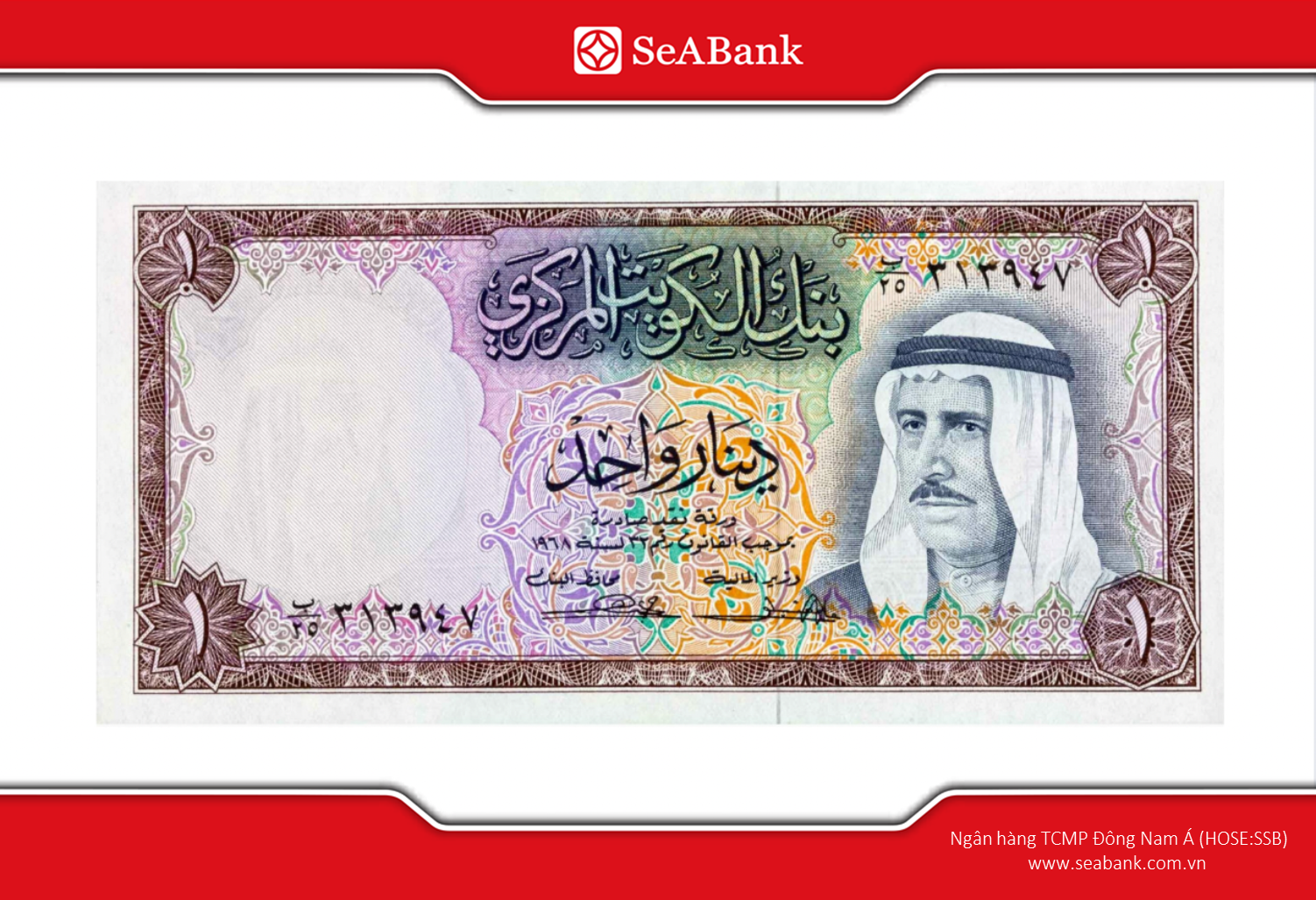
The official 1 Dinar note of the State of Kuwait, an oil-rich country located in the Middle East
2. Why is the Kuwaiti Dinar the most valuable currency in the world?
The value of a currency is not formed randomly but is the result of a combination of a strong economic foundation, prudent fiscal and monetary policies and a high level of credibility in the international market.
For Kuwait, these three core elements have been the foundation that has helped the Kuwaiti Dinar (KWD) maintain its position as the world's most valuable currency for decades.
Kuwaiti Dinar (KWD) is the highest valued currency in the world
2.1. The powerful oil economy – The pillar of currency power
Kuwait is one of the richest oil-rich countries on the planet, with reserves accounting for about 8% of the world's total. The petroleum industry not only plays a central role in the economy but is also a major source of foreign exchange, accounting for more than 90% of the country's export earnings.
Thanks to years of stable oil prices, Kuwait has consistently recorded a trade surplus and a positive balance of payments. This abundant foreign exchange helps the country:
- Maintain huge foreign exchange reserves;
- Keep public debt ratio extremely low;
- And directly support the strength of the local currency.
In other words, when international money flows heavily into Kuwait, the demand for holding the Dinar increases, causing its value to increase accordingly. This is the basis for making the KWD the most valuable and stable currency in the world, even in the context of volatile global oil markets.
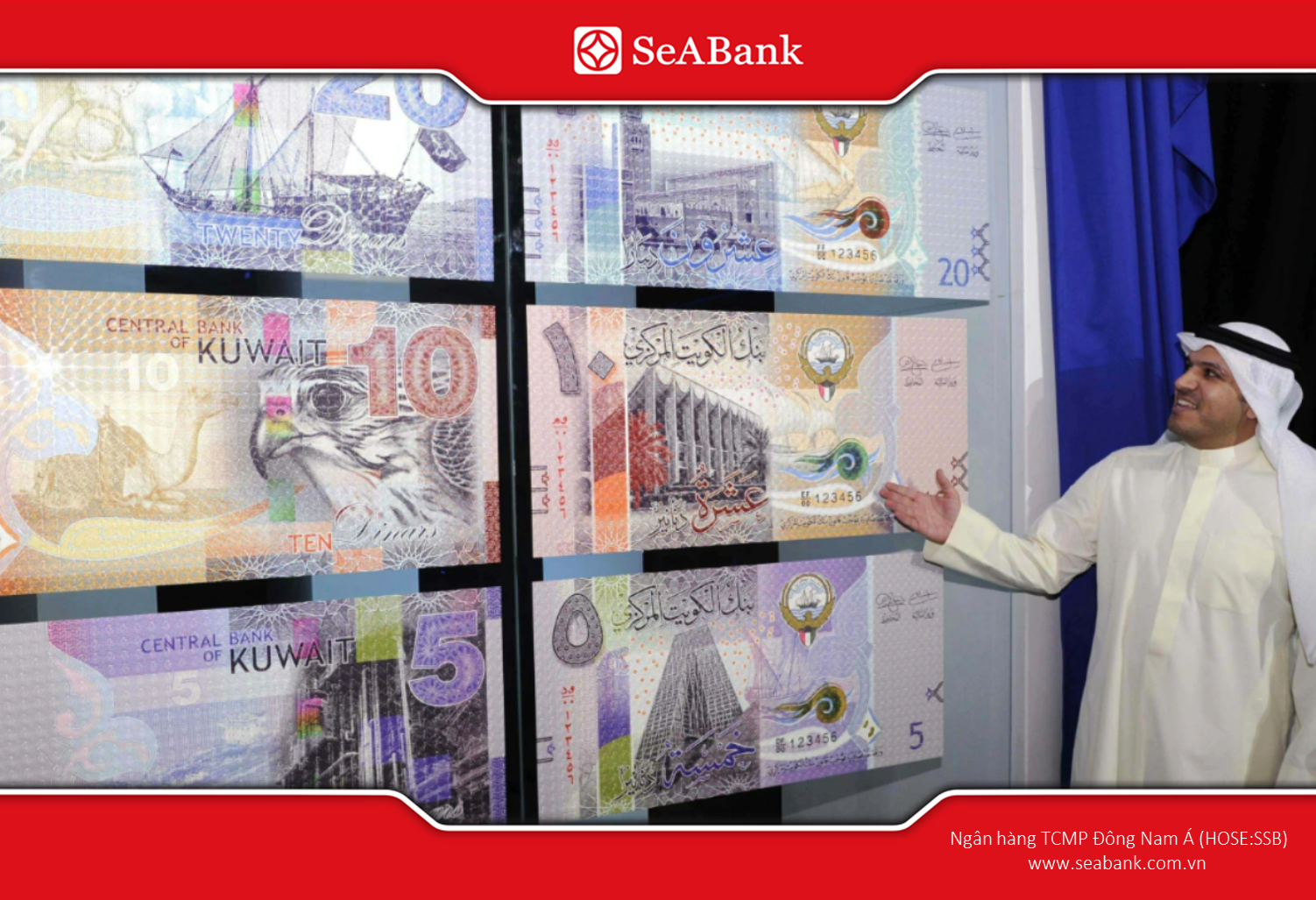
Thanks to its rich oil revenues, Kuwait has a strong local currency.
2.2. Smart exchange rate policy and flexible anchoring mechanism active
One of the “secrets” that helps Kuwaiti Dinar maintain its high value is the way it manages its exchange rate differently. While most Gulf countries peg their currencies to the US Dollar (USD) to stabilize the exchange rate, Kuwait chooses to peg the KWD to a diverse “currency basket” including: USD, Euro, British Pound and Japanese Yen.
This approach has two big benefits:
- Reduces the risk of relying on a single currency, especially during periods of strong USD volatility.
- Increase the balance between Kuwait's trading partners – which come from both the West and Asia.
As a result, the KWD has maintained high long-term stability, while many other currencies are strongly affected by US or European monetary policies. It is this cautious yet flexible approach that makes international investors believe that the KWD is one of the least risky currencies in the world.
2.3. Disciplined national financial management and long-term investment vision
Besides oil, Kuwait is also famous for its strategic and long-term financial management. As early as 1953, this country established the Kuwait Investment Authority (KIA), considered the oldest sovereign wealth fund in the world.
Today, KIA manages more than $800 billion in global assets, investing in stocks, bonds, real estate, technology and infrastructure in more than 100 countries. As a result, Kuwait is not entirely dependent on oil for its income. When oil prices fall, the country can still offset its budget with international investment profits, maintain domestic financial stability and protect the value of the Dinar.
This is a big difference between Kuwait and many other oil-exporting countries, whose budgets are vulnerable to sharp falls in oil prices.
Kuwait's finances are stable thanks to its sovereign wealth fund.
3. Strength of Kuwaiti Dinar against leading world currencies
To get a better idea, let's compare the value of the Kuwaiti Dinar with other strong currencies on the forex market (*):
This comparison shows that, despite Kuwait’s much smaller economy than the UK or the EU, the KWD is the absolute leader in terms of exchange value. This is no coincidence – it is the result of a tight financial structure, budget surpluses and the enduring international trust that Kuwait has built over more than half a century.
(*) Note: Reference exchange rate according to the international Forex market (11/2025).
4. Can I exchange Kuwaiti Dinar in Vietnam?
Currently, Kuwaiti Dinar (KWD) is not commonly used in personal transactions in Vietnam. Because this is a very high value currency and is rarely circulated internationally, there are very few domestic currency exchange points that list or have Kuwaiti Dinar available for direct transactions.
Typically, only a few large financial institutions or foreign exchange agents licensed by the State Bank can support KWD exchange, and even then, the amount is very limited. In addition, the direct exchange rate in Vietnam is often significantly higher than the international listed rate, due to the limited supply and large margin.
If you are planning to travel, work or study in Kuwait, the most convenient and economical way is to exchange VND to USD in Vietnam, because USD is widely accepted and easy to exchange in most countries. Then, when you arrive in Kuwait, you can exchange USD to Kuwaiti Dinar (KWD) at:
- Commercial banks or international bank branches in Kuwait;
- Official money exchange counters at airports or shopping malls;
- Or licensed foreign exchange dealers regulated by the Kuwait government.
Currently, SeABank supports foreign currency transactions with USD, EUR… and currency exchange advice for customers who need to work in Kuwait. Corporate customers can register for foreign exchange services, trade finance and international money transfer at SeABank.
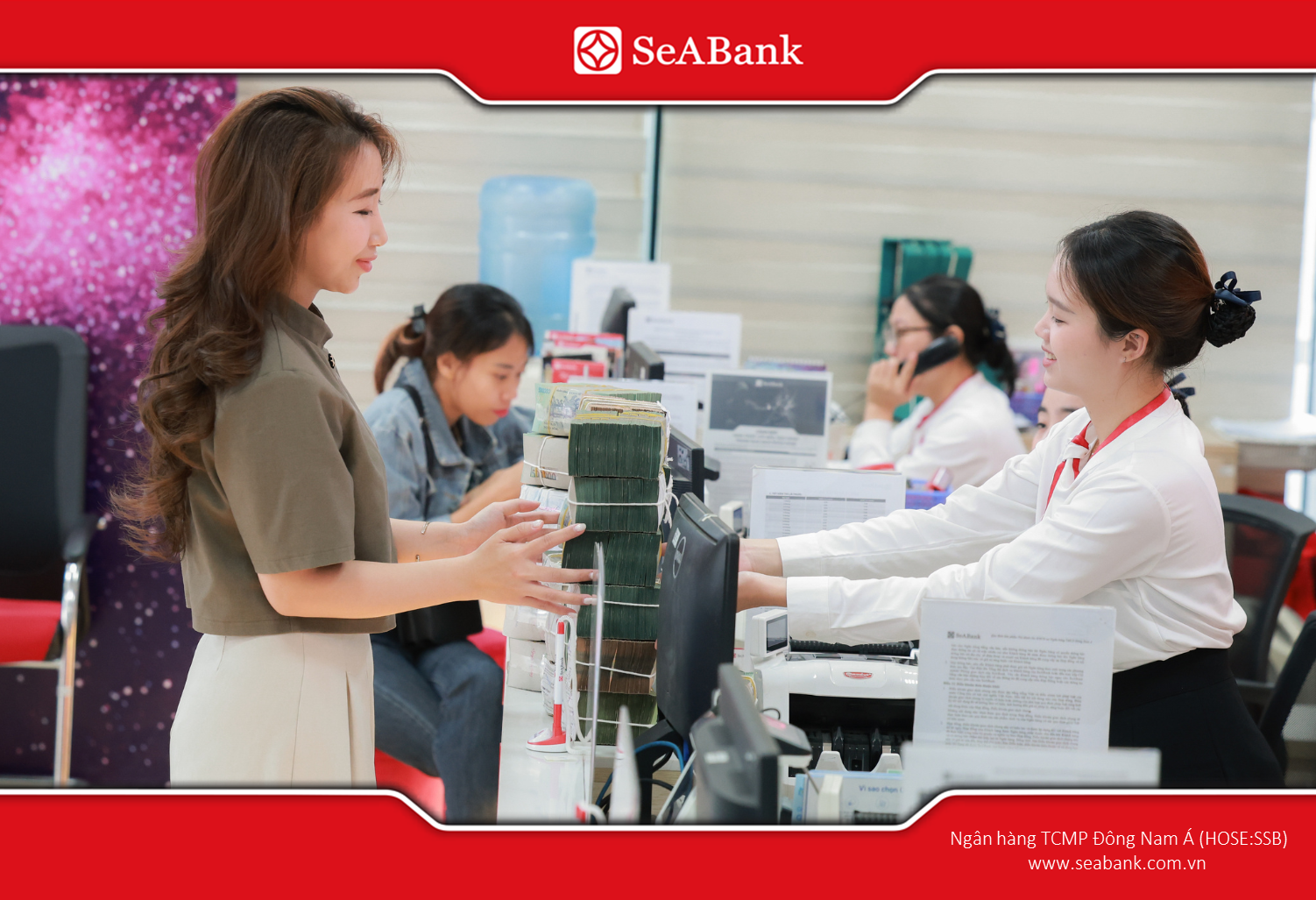
Customers in need can contact SeABank for detailed advice and instructions.
This method not only helps you get a better exchange rate, but also ensures the safety and transparency of the transaction. At the same time, you avoid the risk of carrying a large amount of rare foreign currency or being damaged by exchange rate differences when exchanging KWD directly in Vietnam.
5. Kuwaiti Dinar – Symbol of national financial strength and discipline
The Kuwaiti Dinar (KWD) is not only the world’s most valuable currency, but also a reflection of Kuwait’s strong financial management. This value is built on disciplined budgetary policies, strategic investments, and the enduring confidence of the international market.
Kuwait maintains a stable financial system thanks to effective expenditure management, low public debt and large foreign exchange reserves. The country also actively diversifies its revenue sources and long-term investments throughFuture Generations Fund (FGF, managed by KIA),reduce dependence on oil
More importantly, international confidence in transparency and fiscal discipline has helped the Kuwaiti Dinar maintain its leading position, becoming a symbol of economic strength and national prestige.
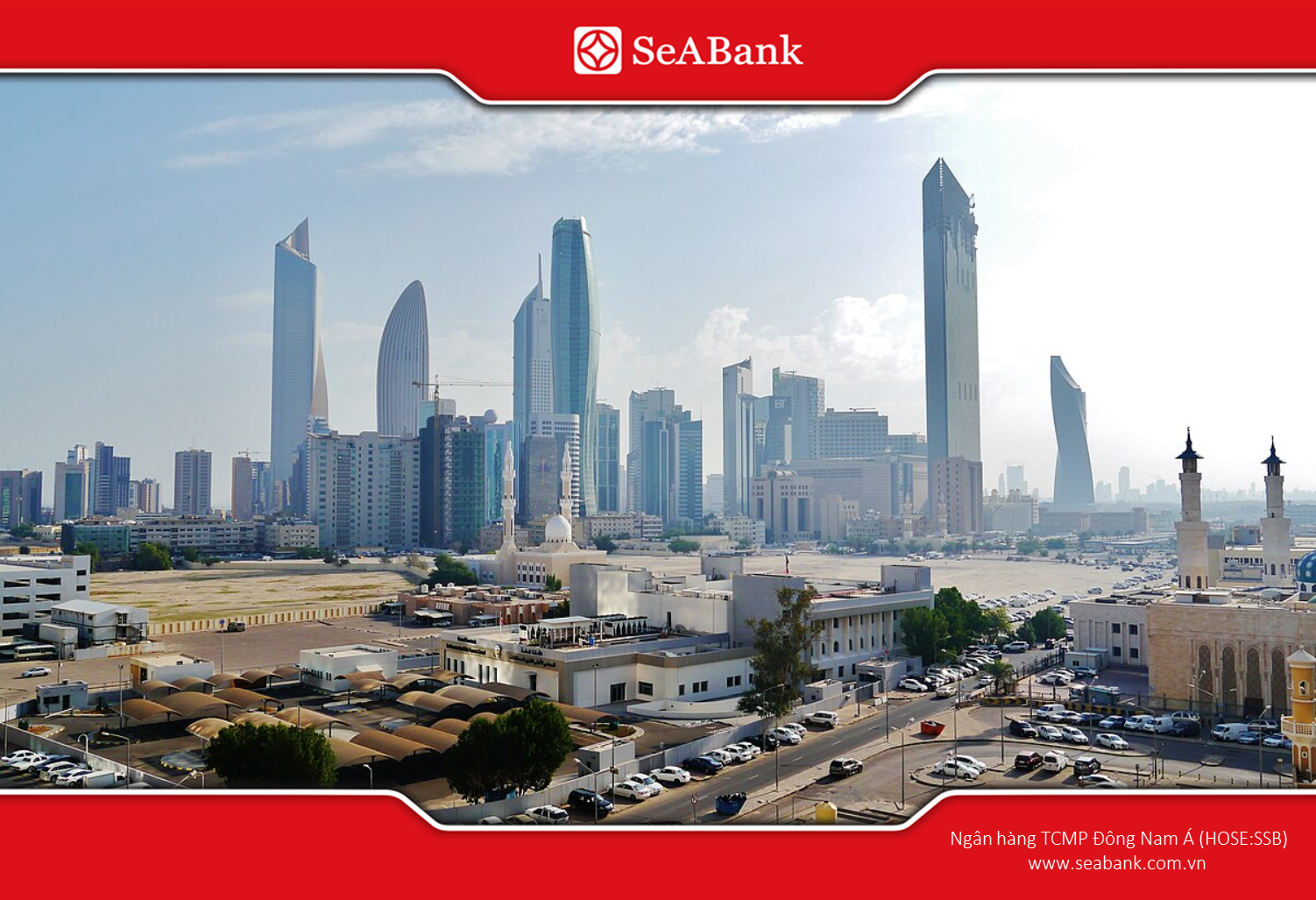
The Kuwaiti Dinar is a symbol of national financial strength and discipline.
In a global landscape where many major currencies are still fluctuating due to economic and political fluctuations, the Kuwaiti Dinar (KWD) stands out as a symbol of stability and real value. Behind this “expensive” exchange rate are not only huge oil reserves, but also a disciplined financial management system, transparent monetary policy and far-sighted investment strategy.
Individual and corporate customers who need to transact in KWD can contact SeABank via hotline or visit the website http://www.seabank.com.vn.
Related News
What is consumer credit? 5 common types of consumer credit 31/03/2026
What is a demand deposit? Interest rates and how interest is calculated (updated 2026). 31/03/2026
Can overdraft accounts allow cash withdrawals? 31/03/2026
Detailed 5-step process for consumer loansIt is necessary to understand this. 31/03/2026
How much money is needed to open a savings account? The latest methods and procedures in 2026. 31/03/2026
What is consumer credit? 5 common types of consumer credit
What is consumer credit? Learn about the concept, advantages, disadvantages, and common forms of consumer credit today.
31/03/2026
Read more

What is a demand deposit? Interest rates and how interest is calculated (updated 2026).
What is a demand deposit? Compare it to a time deposit and get updated interest rates according to current regulations.
31/03/2026
Read more
Can overdraft accounts allow cash withdrawals?
What is an overdraft? Can you withdraw cash from an overdraft account? Learn about the proper use of banking regulations.
31/03/2026
Read more