News
What is a Payment Card? Types, Benefits, and Safe Usage Guidelines
 25/03/2026
Discover what payment cards are, explore popular card types, application requirements, key benefits, and essential safety tips for secure banking transactions.
In the era of rapidly evolving cashless payment trends, payment cards have become an essential financial tool, enabling customers to conduct transactions quickly, safely, and conveniently. Understanding the different card types, usage requirements, and critical safety considerations will help customers choose and utilize their cards effectively to meet spending needs and personal financial management goals.
1. Overview of payment cards
1.1. Concept
A payment card is a financial instrument issued by a bank or financial institution that allows the cardholder to perform transactions such as paying for goods and services, withdrawing cash, or transferring funds within a granted limit and specific conditions. Payment cards can be used at ATMs, POS terminals, or on online payment platforms, facilitating transactions through domestic and international payment systems in accordance with regulations.
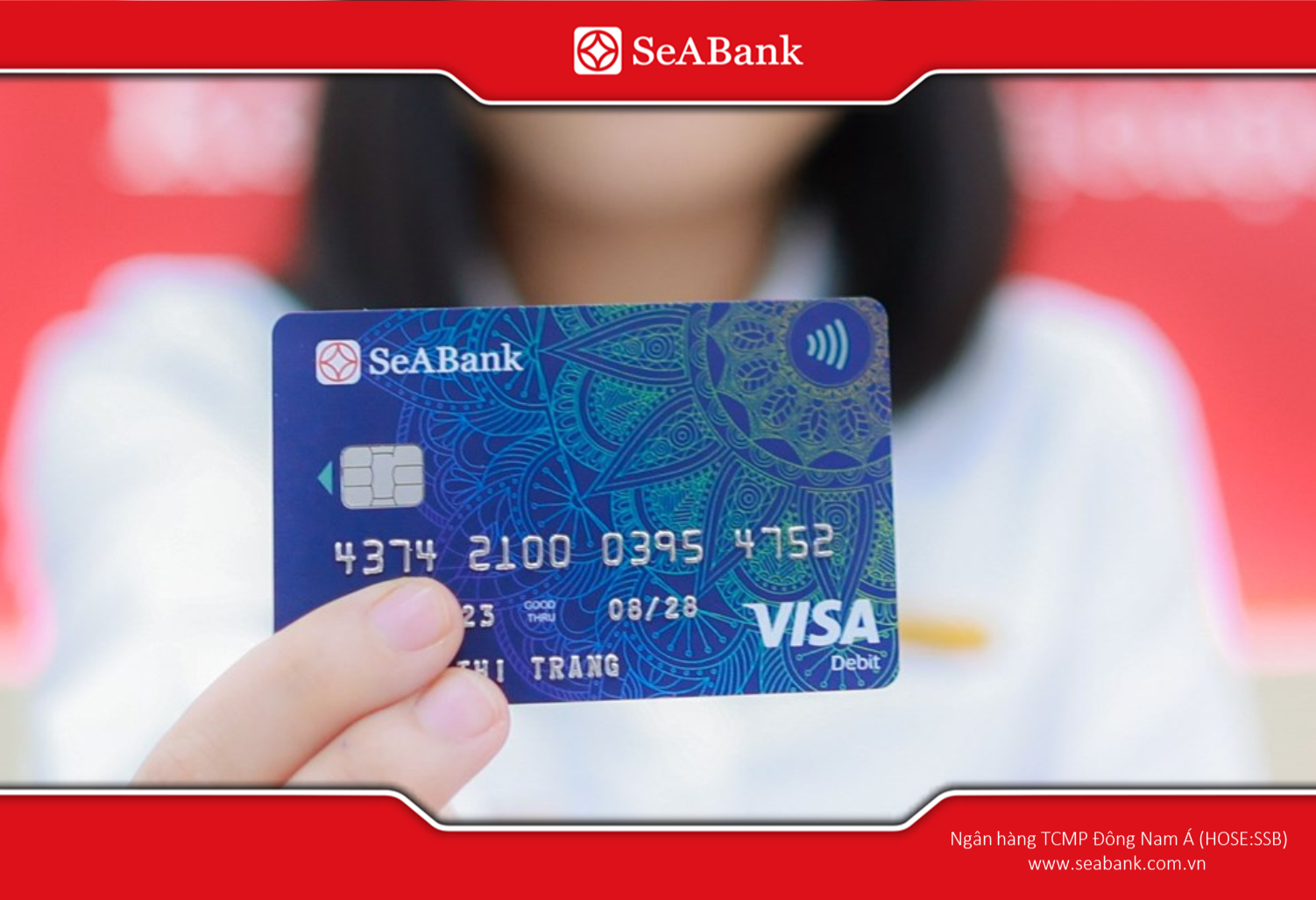
Payment cards have become a familiar financial tool, helping customers conduct transactions quickly, safely, and conveniently.
1.2. Benefits
Payment cards possess many outstanding features, offering practical benefits to users:
- Convenience and Speed: Pay anytime, anywhere without the need for physical cash.
- Safety and Security: Transactions are protected by PIN codes, EMV chip technology, OTP (One-Time Passwords), and modern multi-layer authentication.
- Simplified Expense Management: Every transaction is recorded in statements, allowing for effective financial tracking.
- Versatile Payment Options: Widely accepted at various merchant outlets and e-commerce websites globally.
- Exclusive Incentives: Cardholders can enjoy cashback, reward points, discounts, and other perks from the bank and its partners.
2. Popular types of payment cards currently available
Currently, banks offer a variety of payment cards to meet the diverse spending, financial management, and payment needs of their customers. Below are three of the most popular types of payment cards.
2.1. Debit Card
A Debit Card is directly linked to the customer's bank account. Transactions are deducted immediately from the available account balance.
Key Features: Spending is limited to the account balance; simple application process; flexible for cash withdrawals and payments.
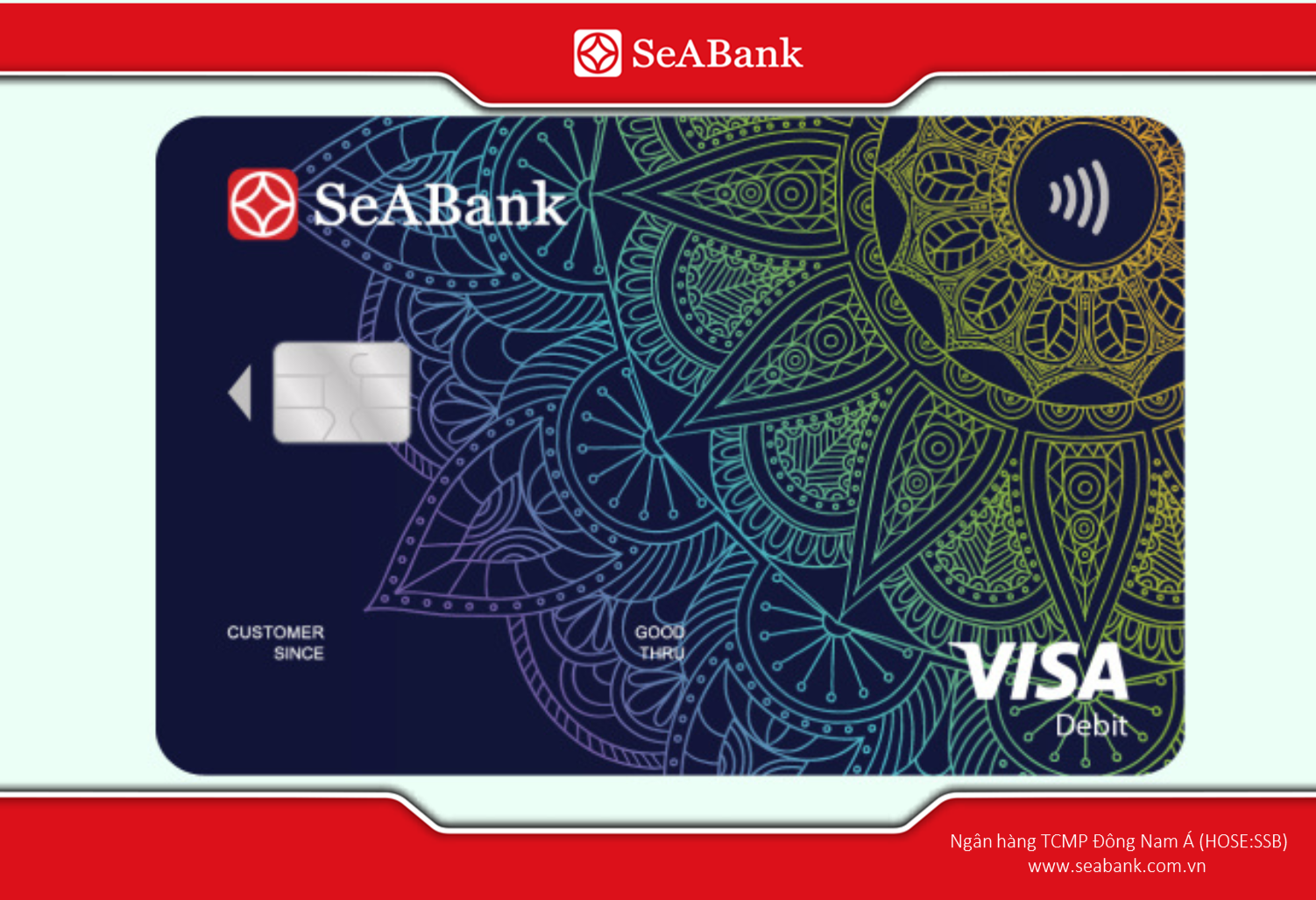
Debit cards are suitable for a wide range of people.
2.2. Credit Card
A Credit Card allows customers to "spend first, pay later" within a specific credit limit granted by the bank.
Credit Limit: The maximum amount a bank allows a customer to spend based on income and credit history.
Interest-Free Period: Customers enjoy a specific period without interest charges on payment transactions if the balance is repaid in full and on time.
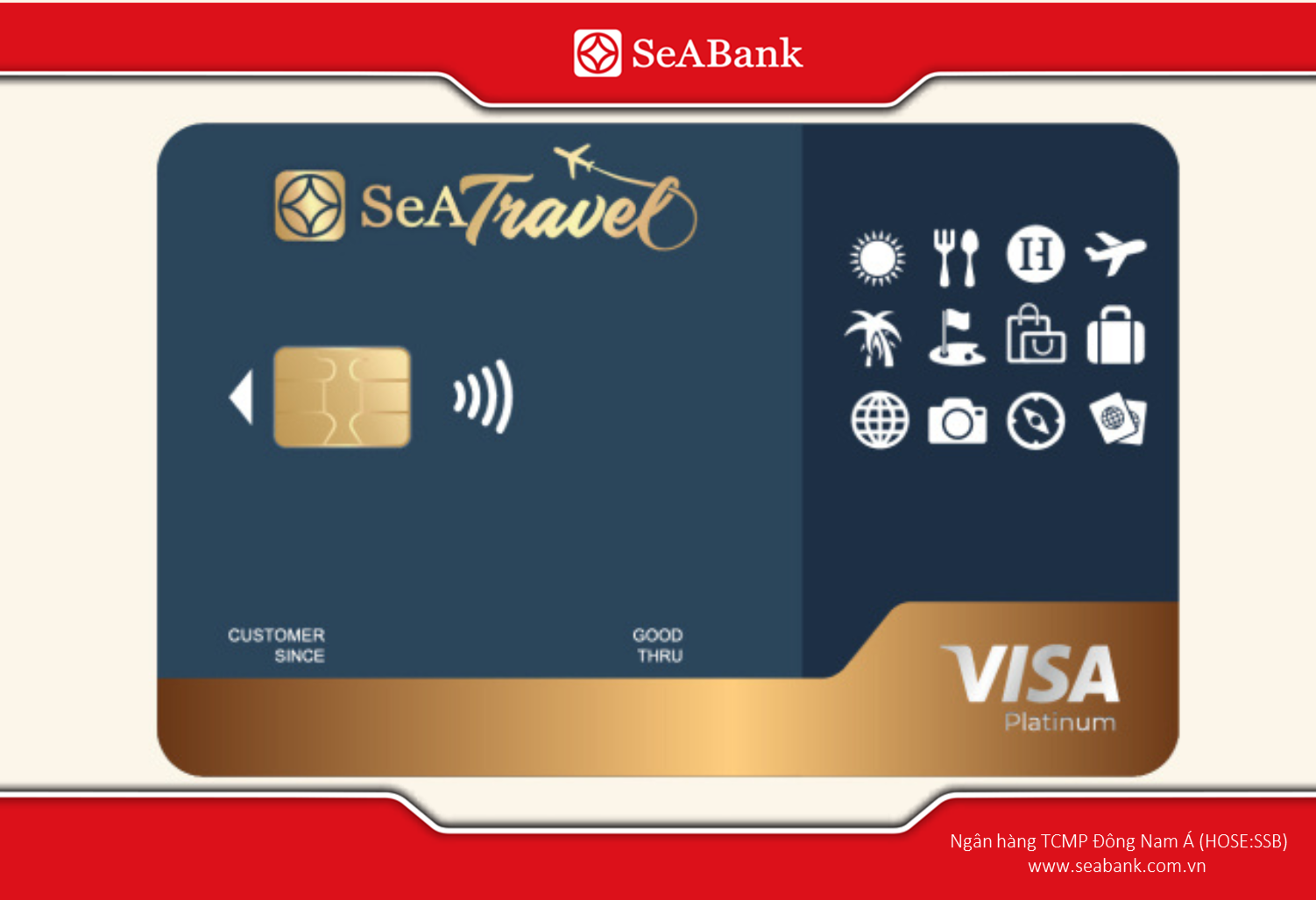
Credit cards are suitable for customers who need flexible spending, want to buy now and pay later, and take advantage of offers and cashback from banks.
2.3. Prepaid Card
A Prepaid Card does not require a link to a bank account. Users load funds onto the card in advance and can only spend within that prepaid amount. This is ideal for:
- Strict spending control.
- Gifts or allowances for children and employees.
- Online payments without exposing a primary account.
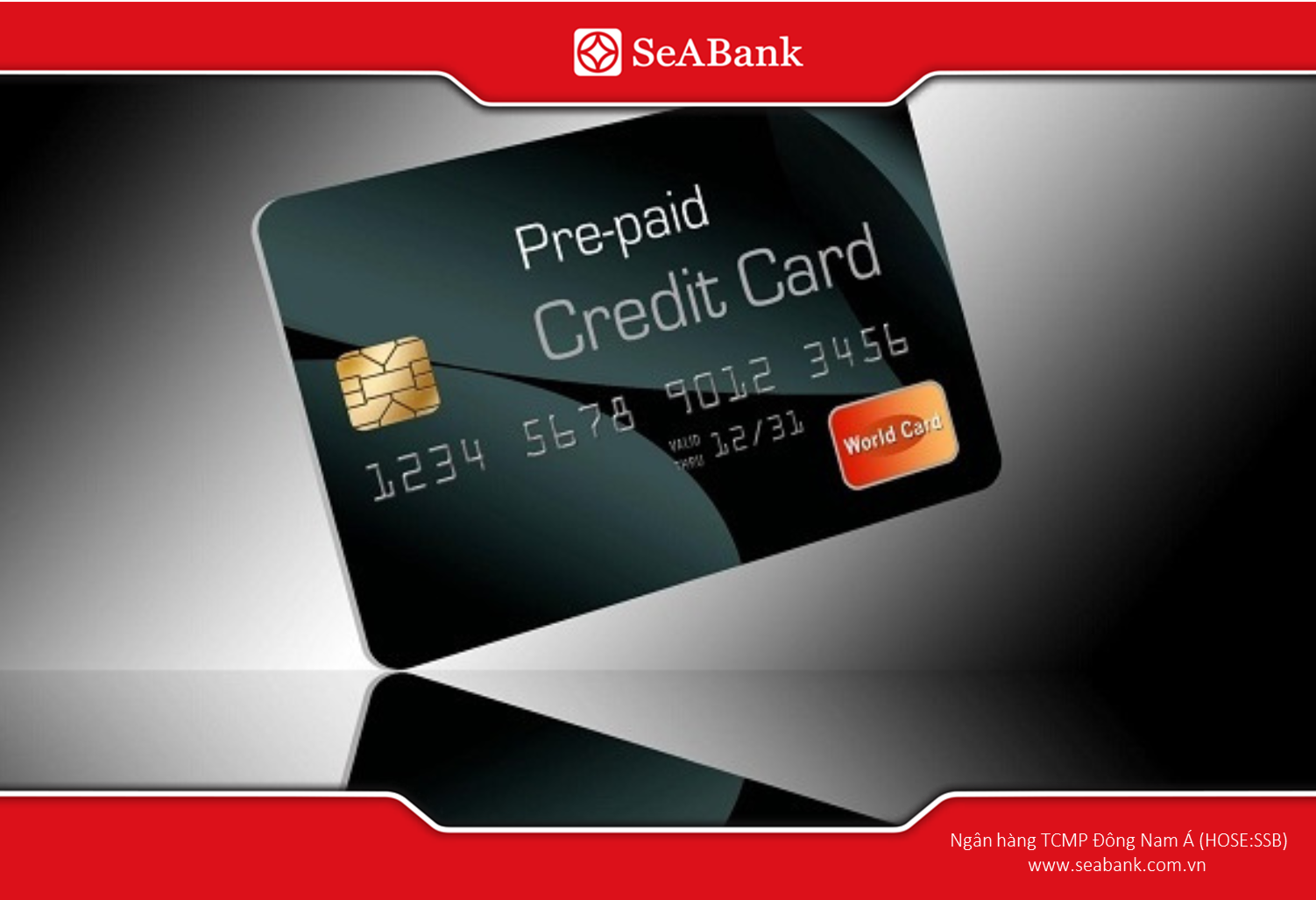
Prepaid cardsHelping customers control their spending. effective
3. Conditions and procedures for opening a payment card
3.1. Card issuance requirements
Depending on the type of payment card, the bank will apply specific conditions. In general, customers need to meet the following basic requirements:
- Vietnamese citizens or foreigners residing legally in Vietnam.
- Meeting age requirements (typically 18 or older; minors may apply with legal guardianship).
- Possessing valid identification and full civil act capacity.
- For Credit Cards: A stable income or collateral is required to meet the bank's credit appraisal standards.
3.2. Documents to prepare
When applying for a payment card, customers typically need to prepare the following documents:
- Valid National ID/Citizen ID or Passport.
- Card issuance application form (bank template).
- Proof of income (for Credit Cards), such as labor contracts or salary statements.
3.3. Process
The process of opening a payment card at a bank typically includes the following steps:
- Registration: Apply at a branch or through online banking channels.
- Submission & Verification: The bank receives and verifies the documents.
- Appraisal: Specifically for credit cards or cards requiring additional verification.
- Issuance: The bank generates a physical or virtual card.
- Activation: The customer receives and activates the card to begin use.
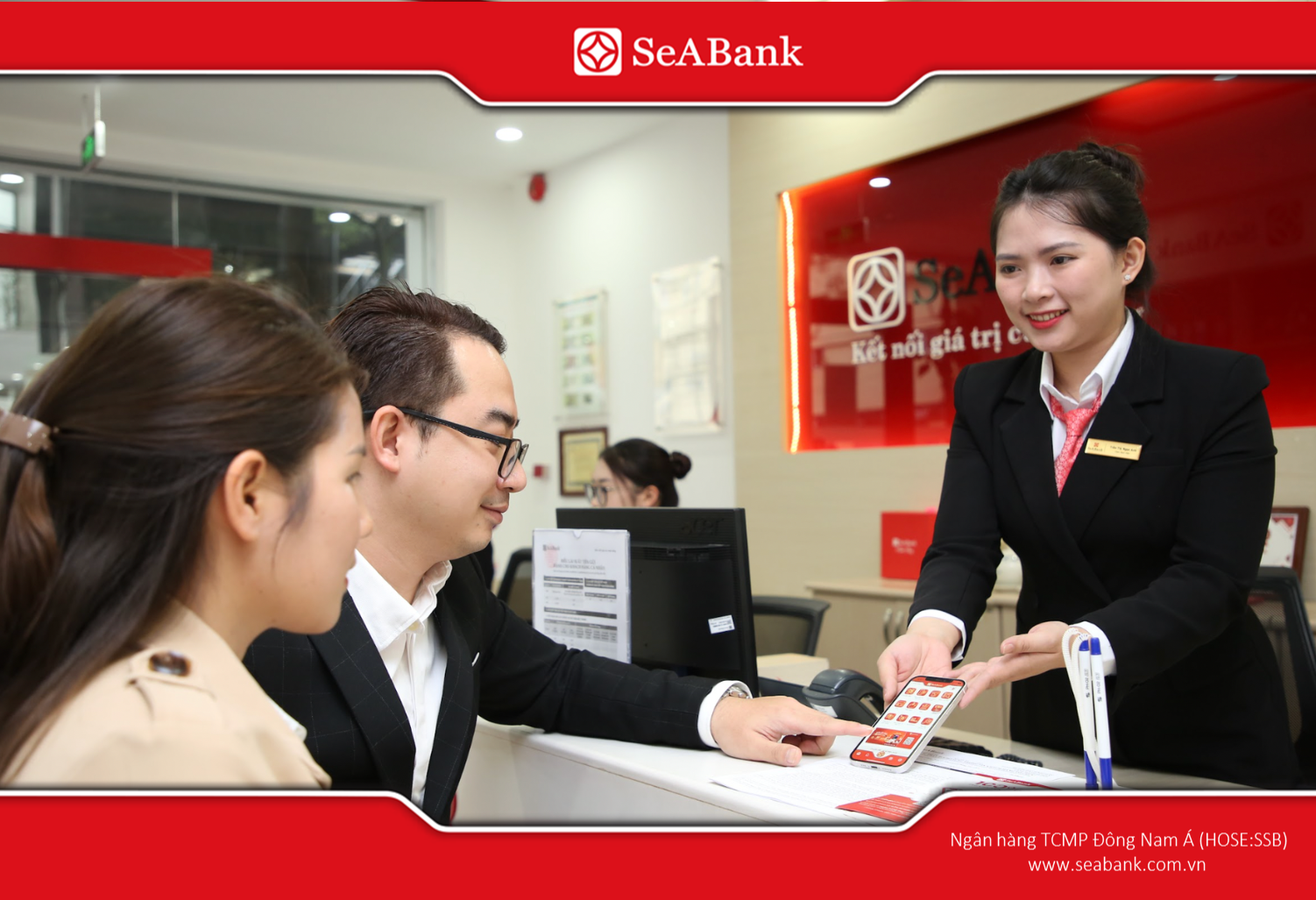
Customers open cards at SeABank.maybe Register through online channels provided by SeABank.
4. Criteria for choosing a payment card
With the wide variety of card products on the market, choosing the right payment card plays a crucial role in managing spending and optimizing financial benefits. Below are some criteria customers should consider before applying for a card.
- Usage requirements: Customers need to clearly define the purpose of using the card, such as daily expenses, online shopping, international payments, or overseas travel. Understanding their needs will help them choose the right type of debit card, credit card, or prepaid card.
- Fees and related costs: Each type of payment card comes with different fees such as issuance fees, annual fees, withdrawal fees, and foreign currency conversion fees. Customers should compare fees between banks to choose a product that suits their financial capabilities.
- Limits and terms of use: For credit cards, spending limits and interest-free periods are important criteria. With debit cards, customers need to pay attention to daily withdrawal and transfer limits to ensure their transaction needs are met.
- Safety and security level: Payment cards need to be equipped with modern security technologies such as EMV chips, OTP authentication, and card locking/unlocking via digital banking applications. This helps minimize fraud risks and protect customers' assets.
- Special offers and benefits included: Cashback programs, reward points, discounts, 0% installment plans, or offers from partner companies will help customers increase the value of their card usage. Customers should prioritize card products with offers that suit their spending habits.
5. Important notes on using payment cards securely
Payment cards offer many conveniences in daily transactions, but they also pose risks if customers do not use them properly. Adhering to safety principles will help protect accounts and reduce the risk of fraud.
- Card information security: Do not share images of your credit card or provide card information to untrustworthy websites, apps, or individuals. When making online payments, customers should prioritize reputable businesses with clear security systems.
- Avoid disclosing your PIN or OTP: Customers should not write down their PIN on paper or save it on their phone, and should not disclose their PIN or OTP to anyone, including those claiming to be bank employees.
- What to do if your card is lost or swallowed?: If a customer discovers their card is lost or swallowed by an ATM, they need to...Contact the bank immediately via call center or digital banking app to block the card promptly and at the same time go to nearest transaction point to get assistance with card replacement or troubleshooting
6. Open a secure payment card with tons of benefits atSeABank
SeABank offers a variety of credit cards, including SeA-Easy, SeATravel, SeALady Cashback, BRG Elite, SeABank Visa Platinum, Signature, and BRG Golf SeABank. Some basic benefits include:
- Annual fee refund
- Cashback on transactions is offered periodically (maximum cashback can be up to 8% depending on specific terms and conditions).
- Attractive foreign exchange transaction fees
- Discounts of up to 70% on dining, shopping, hotels, and more...
Card application requirements
- Age range: 18 – 65 years old.
- Vietnamese citizens or foreign individuals legally residing in Vietnam for at least 12 months.
- They possess both civil legal capacity and civil capacity to act.
- Having a stable income to meet the credit limit requirements.
- The application includes: an application form for card issuance, identification documents (ID card/citizen identification card/passport), proof of income, and other documents depending on the type of card.

SeABank offers a wide variety of cards to meet the needs of a diverse range of customers.
SeABank Credit Card Application Process
Customers can visit the nearest SeABank branch, fill out the application form, and submit the necessary documents for bank staff to guide them through the process and receive their card. Alternatively, you can apply for a credit card online through the SeAMobile or SeANet applications.
- Step 1:Access the SeABank website/app.
- Step 2:Select “Sign up” and the type of card you want to open.
- Step 3:Fill in the information as instructed.
- Step 4:Submit your application and wait for the bank to review it.
- Step 5:Staff will contact you to confirm and complete the procedures.
- Step 6:Receive the physical card at the provided address and activate it.
As can be seen, payment cards not only offer convenience in daily transactions, but it also contributes to improved spending management and financial security for users. Choosing the right type of card and adhering to safe usage principles will help customers maximize the benefits of payment cards in modern life.
For detailed advice on card products that suit your spending and financial management needs, customers can contact the nearest SeABank branches or call the hotline 1900 555 587 for assistance.
Related News
What is consumer credit? 5 common types of consumer credit 31/03/2026
What is a demand deposit? Interest rates and how interest is calculated (updated 2026). 31/03/2026
Can overdraft accounts allow cash withdrawals? 31/03/2026
Detailed 5-step process for consumer loansIt is necessary to understand this. 31/03/2026
How much money is needed to open a savings account? The latest methods and procedures in 2026. 31/03/2026
What is consumer credit? 5 common types of consumer credit
What is consumer credit? Learn about the concept, advantages, disadvantages, and common forms of consumer credit today.
31/03/2026
Read more

What is a demand deposit? Interest rates and how interest is calculated (updated 2026).
What is a demand deposit? Compare it to a time deposit and get updated interest rates according to current regulations.
31/03/2026
Read more
Can overdraft accounts allow cash withdrawals?
What is an overdraft? Can you withdraw cash from an overdraft account? Learn about the proper use of banking regulations.
31/03/2026
Read more