What is non-life insurance? Classification, benefits and reasons to participate
19/11/2025
Learn what non-life insurance is, its benefits, how it differs from life insurance and important notes when buying insurance.
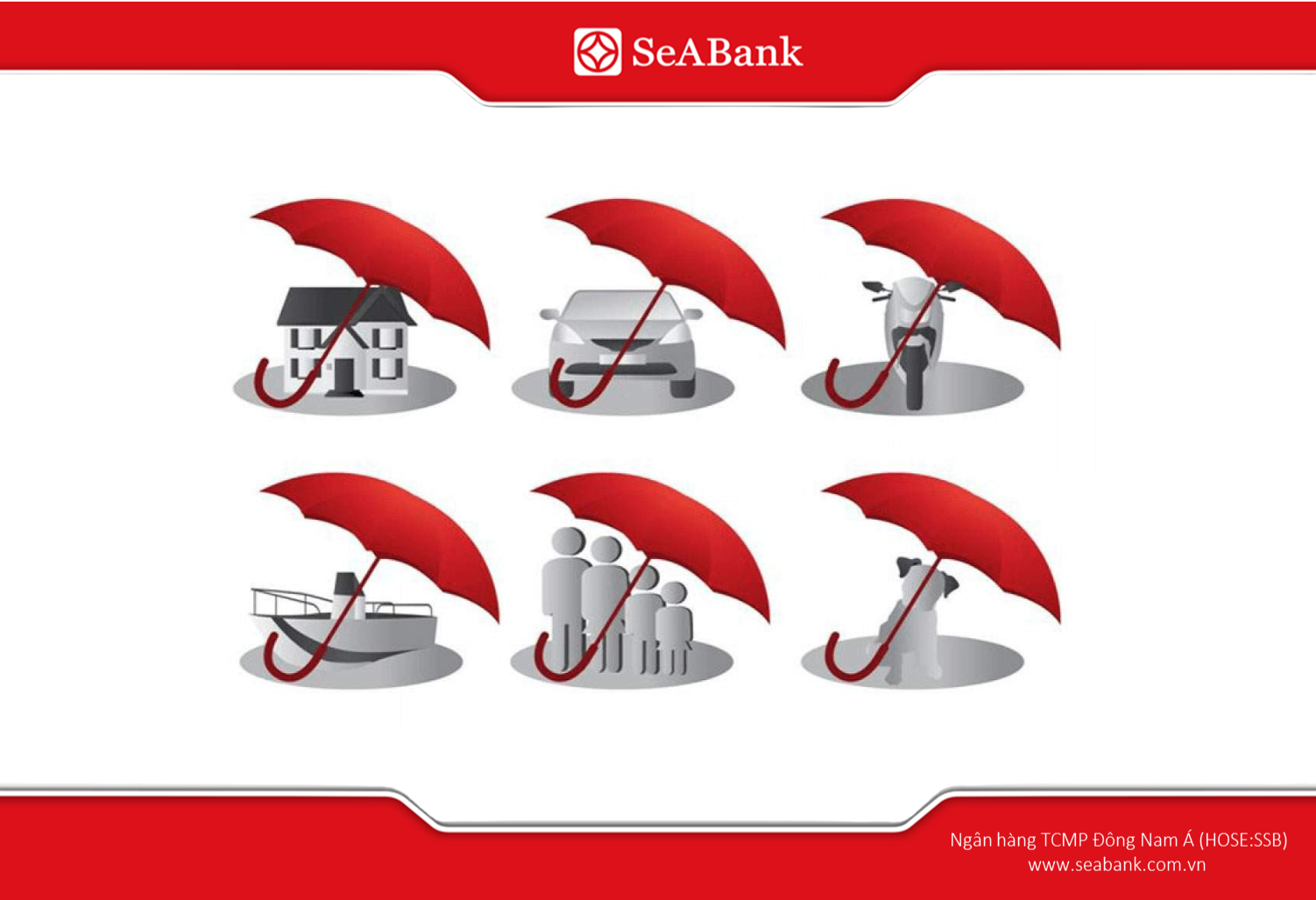
What is non-life insurance? This is a type of insurance that helps protect people, property and civil liability against unexpected risks in life. Unlike long-term life insurance, non-life insurance aims at short-term but practical peace of mind, covering many areas from health, accidents, vehicles to travel, property.
Note: The figures and information in the article are compiled from general market sources and do not apply specifically to SeABank's products or services.
1. Overview of non-life insurance
1.1. Concept
According to Clause 14, Article 4 of the Law on Businesstelldanger 2022, non-life insurance is a type of insurance concentrated to protect property, civil liability and human health in a short period of time. The main purpose of non-life insurance is to compensate for material and financial damages when unfortunate risks occur.
This is a solution to help individuals or organizations proactively protect assets and minimize losses from unexpected incidents such as accidents, fires, natural disasters or business risks.
Participants:
Individuals and households need to protect personal property such as houses and vehicles.
Businesses want to protect their assets, business operations or liabilities.
Financial institutions, banks, logistics units, construction works, etc. to minimize damage when an incident occurs.
Non-life insurance helps minimize risks when incidents occur.
1.2. Characteristics
Non-life insurance has distinct characteristics compared to life insurance, reflected in the scope of protection, duration and nature of compensation:
Short term: Usually valid for only 1 year or short term contract.
Compensation nature: Insurance companies only pay for actual losses, not exceeding the value of the property or damage.
Diversified risk protection: Includes many types of risks related to property, liability and people (accidents, illness).
No saving or investment element: The primary goal is to protect against risk, not to accumulate asset value like life insurance.
Depending on the risk probability: Insurance premiums are determined based on risk level, property value and coverage.
1.3. Popular types
Non-life insurance is very diverse, suitable for many different groups of people and purposes, including:
Motor vehicle insurance: Protects vehicle owners against the risk of collision, theft, fire, or damage to third parties.
Property and casualty insurance: Guarantee benefits when property is damaged by fire, explosion, natural disaster or technical problem.
Health and personal accident insurance: Support for medical expenses, hospitalization or compensation when the insured person has an accident or illness.
Cargo insurance: Protect the value of goods during transport by road, sea or air.
Travel insurance, civil liability, professional,...: Provides coverage during travel, professional activities or when causing damage to third parties.
Car, property, health, travel insurance… are all non-life insurance.
2. Benefits of non-life insurance participants
Participating in non-life insurance brings many practical benefits, helping individuals and organizations feel more secure against unexpected risks in life and business:
Financial compensation: The insured is paid by the insurance company for the cost of repair, replacement or recovery of loss when a risk occurs within the scope of the contract.
Medical expense support: With accident or health insurance packages, insurance helps reduce the burden of medical examination and treatment costs, hospital fees, surgery, etc.
Protecting assets and business operations: Minimize damage to businesses from incidents such as fire, natural disasters, and production interruptions.
Legal support: Some types of liability insurance help pay for litigation costs and compensation when the insured causes harm to a third party.
Create peace of mind: Insured people can live and do business with peace of mind without worrying too much about financial burden when risks occur.
Enjoy 24/7 support: Many insurance companies offer roadside assistance, medical assistance or legal advice anytime, anywhere.
Participants are compensated for damages in case of unexpected incidents.
3. Comparison of life and non-life insurance
Life insurance and non-life insurance are both important financial solutions, helping to protect people from unexpected risks in life:
These are all types of voluntary insurance, designed to provide financial support when participants encounter risks.
Both have detailed provisions on the insured, beneficiaries, scope of protection, rights, responsibilities and payment terms in the contract.
Comparison table of differences between life and non-life insurance
Comparison criteria
Life insurance
Non-life insurance
Scope of coverage
Human (life, health, longevity)
People, property, civil liability, goods, business, travel, etc.
Pay fees periodically (monthly, quarterly, annually) or one time
Usually paid once per contract or short term cycle
Contract term
Lasts from 10 to 20 years or for life
Usually 1 – 2 years maximum
Factors affecting fees
Age, gender, health status, occupation, contract term
Risk probability, asset value, coverage, contract term
Payment terms
Payment upon insurance event or contract maturity
Only pay when risks or losses occur within the scope of insurance.
Beneficiary
The insured, policyholder or designated beneficiary
The participant, the direct victim or the third party who suffers damages depending on the contract
4. 5+ Notes when buying non-life insurance
Before purchasing non-life insurance, you need to consider carefully to ensure your rights and avoid unnecessary troubles when risks occur. Below are some important notes:
Company reputation: Choose an insurance company with a strong brand, strong finances and good customer service.
Coverage: Look closely at what risks are covered and excluded, to ensure it suits your actual needs.
Fees and benefits: Compare premiums with benefits and covered claims to optimize costs.
Read the terms of the contract carefully: Understand the regulations, compensation conditions, responsibilities of the buyer and the insurance company to avoid future disputes.
Declare information accurately and honestly: False declarations may put you at risk of being denied compensation in the event of an incident.
Customers need to read the contract carefully and declare honestly when participating in insurance.
5. Buy safe and reputable non-life insurance at SeABank
With the desire to bring comprehensive and safe financial solutions to customers, Southeast Asia Commercial Joint Stock Bank (SeABank) not only provides banking services but also cooperates with leading insurance partners to deploy quality non-life insurance products. SeABank is committed to accompanying customers in protecting assets, health, and life against unexpected risks.
Outstanding insurance packages at SeABank:
Car physical damage insurance: Protects your vehicle from damage caused by accidents, natural disasters, and fire. Covers repair or replacement costs.
Home/condo insurance: Protect family or business assets from risks of fire, explosion, and natural disasters.
Health care insurance: Pay for hospital fees, medical treatment, and accidents with various limits.
Travel insurance: Ensure safety and reduce risks when traveling domestically or internationally.
Auto/Motorcycle Liability Insurance:Pay for third party personal and property damage if there is an accident
You can absolutely buy non-life insurance online if the transaction is done on a reputable platform and from a reliable insurance company. 2. Is non-life insurance mandatory?
Most non-life insurance products are voluntary, except for some types such as compulsory civil liability insurance for motor vehicles.
3. Can I buy multiple packages at the same time when participating in non-life insurance?
You can purchase multiple insurance plans at once, depending on your protection needs for your assets, health or activities.
4. How are non-life insurance premiums calculated?
Non-life insurance premiums are calculated based on the level of risk, scope of coverage, type of insured property/object and payment limit.
The above information helps customers understand better What is non-life insurance. Carefully considering your personal needs, choosing the right package and a reputable provider will help you protect yourself and your assets optimally against any unexpected risks.
If you want to learn more about SeABank's insurance products, you can contact the nearest transaction point or call Hotline 1900 555 587 or visit the website www.seabank.com.vn for more details.
Southeast Asia Commercial Joint Stock Bank SeABank

 19/11/2025