News
 21/11/2025
Why is the price of gold increasing? Discover the causes and factors affecting the price of gold to help you invest smartly and safely.
The world and domestic gold markets are witnessing spectacular price increases, continuously breaking old records. The most popular question today is none other than "Why is the price of gold increasing" so strongly and is this the golden time to hold this asset? This article will analyze the 5 most core reasons that are simultaneously promoting the "dizzying" growth of gold prices in the market.
The leading reason why gold prices always increase is the investor's psychology of seeking safe havens when risks increase.
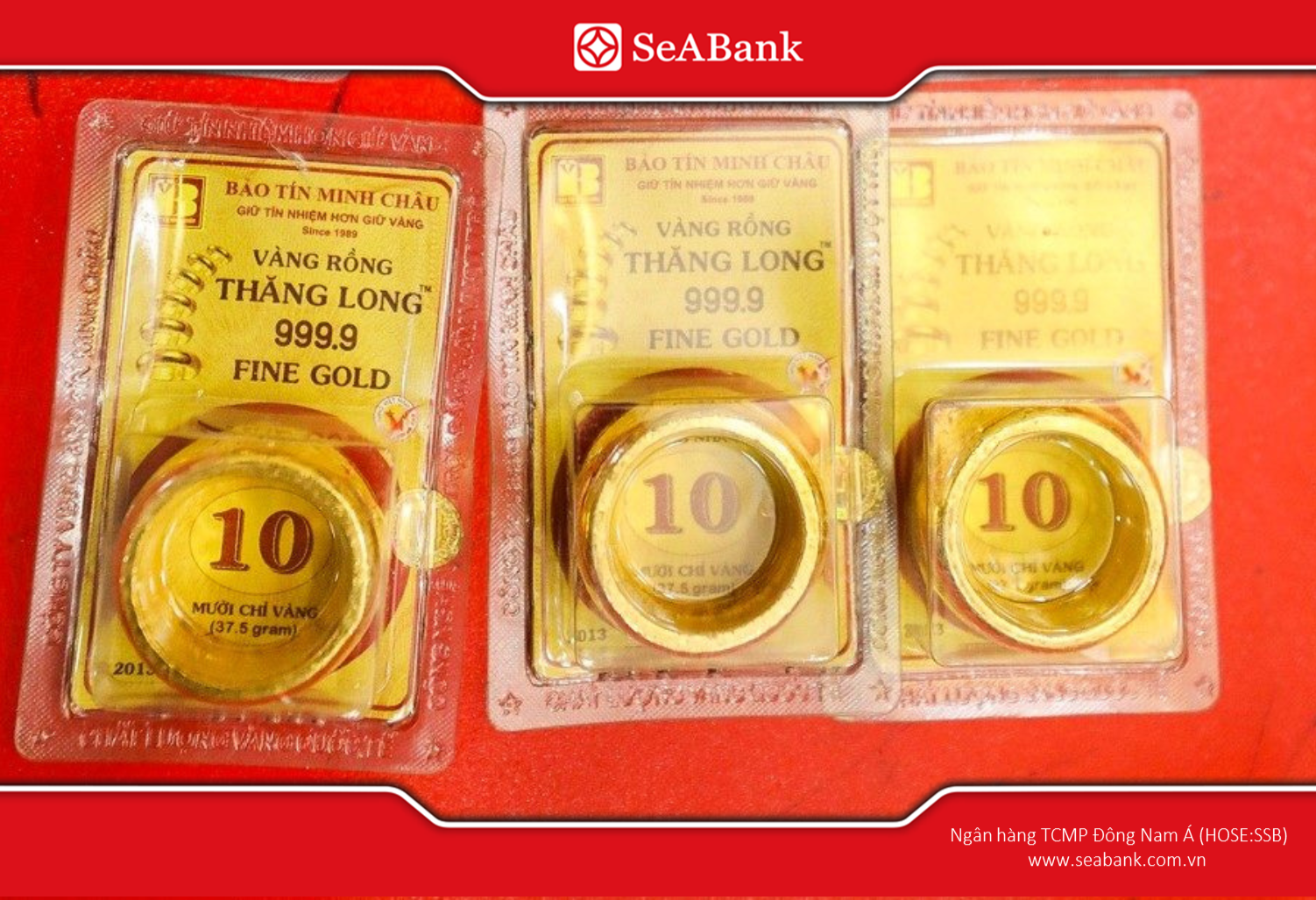
The current gold price is not stable but changes continuously according to market fluctuations.
Inflation (CPI) maintained at high levels for many years is the second strong driving force for gold prices. Gold has the ability to maintain its purchasing power over time. When inflation increases, the real value of currencies (such as USD, VND) is eroded. Conversely, the value of gold will increase to balance the general increase in prices of all goods, thereby protecting investors' assets.
In addition, we also need to pay attention to the negative real interest rate, which is calculated by the Nominal Interest Rate (bank interest rate) minus the Inflation Rate. This means that savings deposits or bonds are not enough to compensate for the depreciation of the currency, significantly reducing the attractiveness of these interest-bearing assets and causing a strong shift of money to gold.
Gold is a non-interest-bearing asset. Therefore, the opportunity cost of holding gold will be higher when interest rates rise (high bank deposit interest rates). Conversely, when FED When the Fed signals or initiates a rate cutting cycle (rates fall), this opportunity cost decreases, making gold more attractive.
In recent years, central banks around the world (especially China, India, Russia) have increased their gold purchases to diversify their reserves and reduce their dependence on the USD. This large and continuous demand from state organizations has created a solid foundation for price increases.
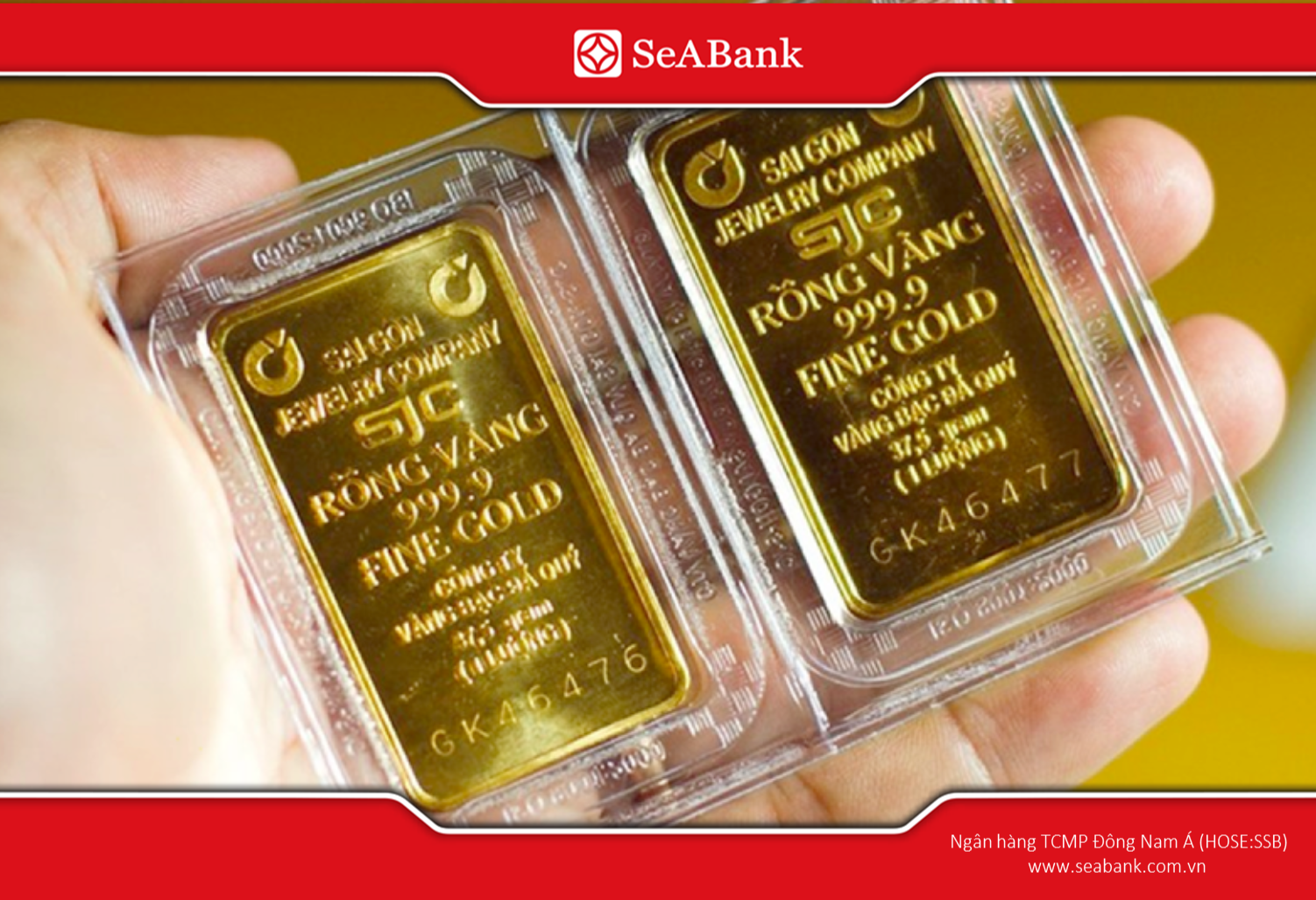
Many countries are accumulating gold reserves, causing gold prices to increase.
In addition to macro factors, actual demand and market psychology also play important roles.
Gold is priced in US dollars (USD). The relationship between the two assets is almost always inverse. When the USD falls in value against other currencies, gold becomes “cheaper” for investors holding euros, yen, or other currencies. This immediately stimulates global demand for gold, which in turn drives up the price of gold.
In addition, the downward adjustment of the DXY index (measuring the strength of the USD against a basket of major currencies) is one of the clearest signals foreshadowing the next rally in gold.
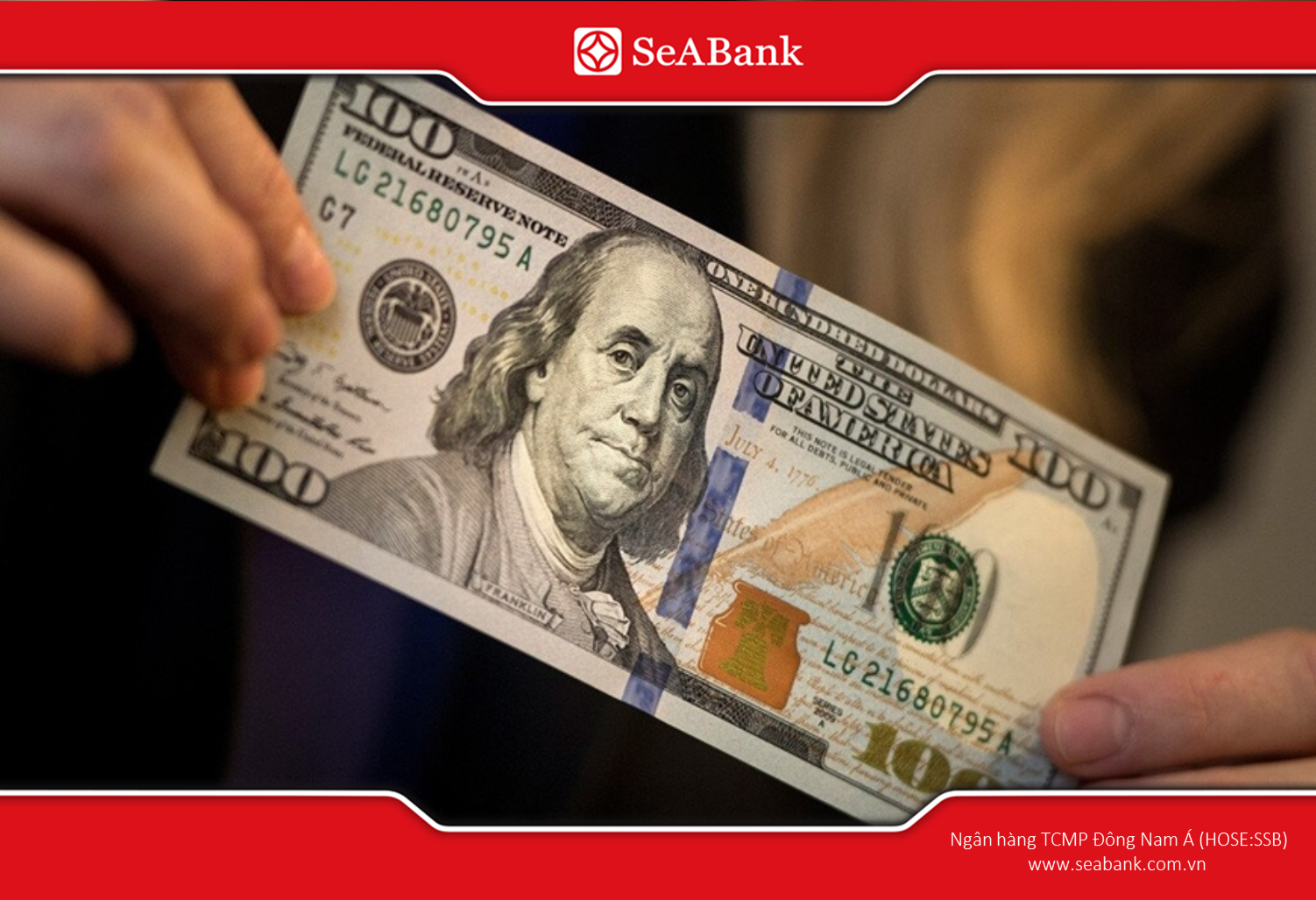
The US dollar has a strong influence on gold prices.
In short: The strong rise in gold prices during this period is a convergence of many factors, including safe-haven demand from global uncertainties, its role as an anti-inflationary agent in an environment of negative real interest rates, and expectations of looser monetary policy in the future.
Expected gold pricewill continue to be influenced by policy meetings ofFED, inflation data and geopolitical developments. If tensions do not ease and expectations of interest rate cuts strengthen, gold still has room to hit new highs.
If inflation unexpectedly cools rapidly or the Fed signals a hawkish tone (one that favors higher interest rates than expected), gold prices could face a sharp correction. A return to geopolitical stability could also dampen safe-haven demand.
Advice for Investors (Disclaimer): Gold is an asset that should be considered as a long-term value preserver and part of a diversified portfolio. Investors should monitor closely, not "FOMO" (fear of missing out) buying to chase price spikes, but should consider asset allocation carefully.
Gold has been asserting its indispensable role as an insurance asset in investment portfolios. Understanding why gold prices increase will help you make better financial decisions.
Customers who want to buy and sell gold safely, quickly, and at competitive prices at SeABank, please contact the nearest transaction point or call Hotline 1900 555 587 or visit the website www.seabank.com.vn for more details.