News
 11/11/2025
Understand what short-term assets are, how to classify and manage them effectively to optimize cash flow and improve corporate financial capacity.
In corporate finance, current assets are the core factor that determines liquidity and efficiency of working capital operations. Understanding the concept, characteristics and management of current assets helps businesses be more proactive in financial planning, risk control and maintain business stability.
Quick summary:
Current assets are amounts that can be converted into cash within one year or one operating cycle, such as cash, inventory, and accounts receivable.
Main classification:
Role:
How to evaluate: Compare with short-term debt to determine liquidity (current, quick, and instant ratios).
Application: Is an important basis for financial analysis, credit approval, and working capital management of enterprises.
In corporate accounting, short-term assets (CAT) are assets with a short turnover period, usually less than 12 months or within oneThe normal production and business cycle (whichever is longer). Current assets can be quickly converted into cash or used and consumed to serve the regular operations of the business. Current assets are an important basis reflecting the short-term payment ability, ensuring the business maintains continuous operations and stable cash flow.

Current assets represent a business's financial flexibility.
According to Circular 200/2014/TT-BTC and Vietnamese Accounting Standards (VAS) No. 01, short-term assets include cash, cash equivalents, short-term financial investments, receivables, inventories and other short-term assets.
Salient features of short-term assets:
Pursuant to Circular 200/2014/TT-BTC, short-term assets are divided into 5 main groups on the Balance Sheet, arranged in decreasing order of liquidity:
1 - Cash and cash equivalents (Code 110)
Includes cash, demand deposits, cash in transit and short-term investments with maturity of less than 3 months, easily convertible to cash without risk.
2 - Short-term financial investments (Code 120)
Investments with a maturity of less than 12 months to take advantage of idle cash flow. For example: trading securities, short-term bonds or investments held to maturity.
3 - Short-term receivables (Code 130)
Includes customer receivables, prepayments to vendors, short-term loans or internal receivables with a collection period of no more than 12 months.
4 - Inventory (Code 140)
Assets used for production and business such as raw materials, unfinished products, finished products or goods awaiting sale. This is the part of working capital "locked up" during the production process.
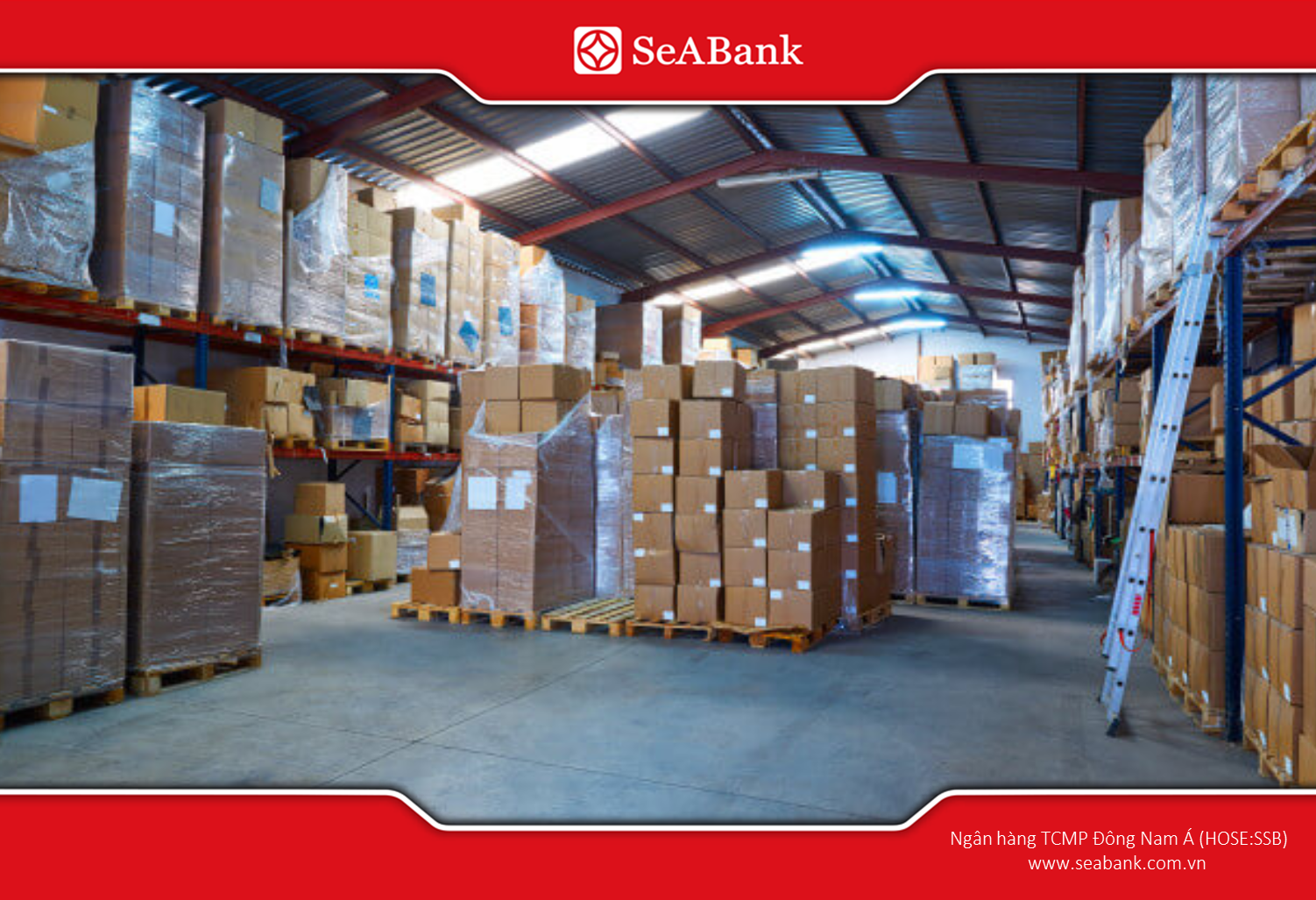
Inventory is a form of short-term asset, reflecting capital currently in production and business.
5 - Other short-term assets (Code 150)
Includes short-term prepaid expenses, deductible VAT, government revenues or other assets with a recovery period of less than 12 months.
Formula for calculating current assets:
Current assets is the foundation that helps businesses maintain liquidity and ensure stable financial operations. Specifically:
Effective management of short-term assets not only helps businesses maintain a stable cash flow but also optimizes capital and profits. Some important solutions include:

Managing payables helps optimize cash flow and maintain financial integrity
Enterprises need to regularly review and re-evaluate the structure of current assets and liabilities to ensure reasonable capital allocation and optimize profitability and liquidity.
1 - What are short-term assets?
Current assets include cash, cash equivalents, short-term financial investments, accounts receivable, inventories, and other current assets. These are assets that can be converted into cash or used within 12 months.
2 - How are current assets calculated?
Total current assets are determined by the formula:
Current assets = Cash and cash equivalents + Short-term financial investments + Accounts receivable + Inventory + Other short-term assets.
Enterprises can rely on the Balance Sheet to determine the value of fixed assets at the time of reporting.
3 - Why are short-term assets important to businesses?
Current assets help businesses maintain liquidity, ensure short-term debt payments, and operate regularly. Good management of current assets helps optimize cash flow, improve capital efficiency, and reduce the risk of financial imbalance.
4 - How are short-term assets different from long-term assets?
The biggest difference lies in time of use and liquidity.
5 - How to manage short-term assets effectively?
Businesses can optimize short-term assets through:
6 - What are examples of short-term assets in a business?
Some common examples include:
Current assets are an important financial indicator that reflects the solvency, working capital health and operational efficiency of the business. Good management of current assetshelpEnterprises are proactive in cash flow, improve competitiveness and limit financial risks. Follow SeABank to update more useful financial knowledge and optimal banking solutions to help businesses manage assets effectively and develop sustainably.