News
What is Western Union? How it works, fees and how to transfer and receive money quickly
 19/11/2025
What is Western Union? Learn how to transfer money with Western Union, its pros, cons and fees of Western Union in Vietnam.
What is Western Union? This is a common question for many people when they need to transfer or receive money from abroad. With a global network, Western Union is one of the oldest and most reputable international money transfer services today, connecting users in more than 200 countries and territories.
1. Overview of Western Union
1.1. What is Western Union?
Western Union is one of the world's largest international money transfer companies, providing cross-border money transfer and receiving services to individuals and businesses.
With over 150 years of operations, Western Union supports transactions in more than 200 countries and territories, making it easy for customers to send or receive cash, transfer money or receive through bank accounts. The service is popular due to its fast speeds, wide agent network and variety of payment options.
1.2. History of formation
Western Union was founded in 1851 in the United States, initially as a telegraph company. By 1871, Western Union began offering telegraphic money transfer services, paving the way for today's international money transfer system. More than a century later, the brand thrives with millions of transactions every day.
From telegraph services, Western Union has completely shifted to money transfer solutions with global networks and advanced digital platforms.
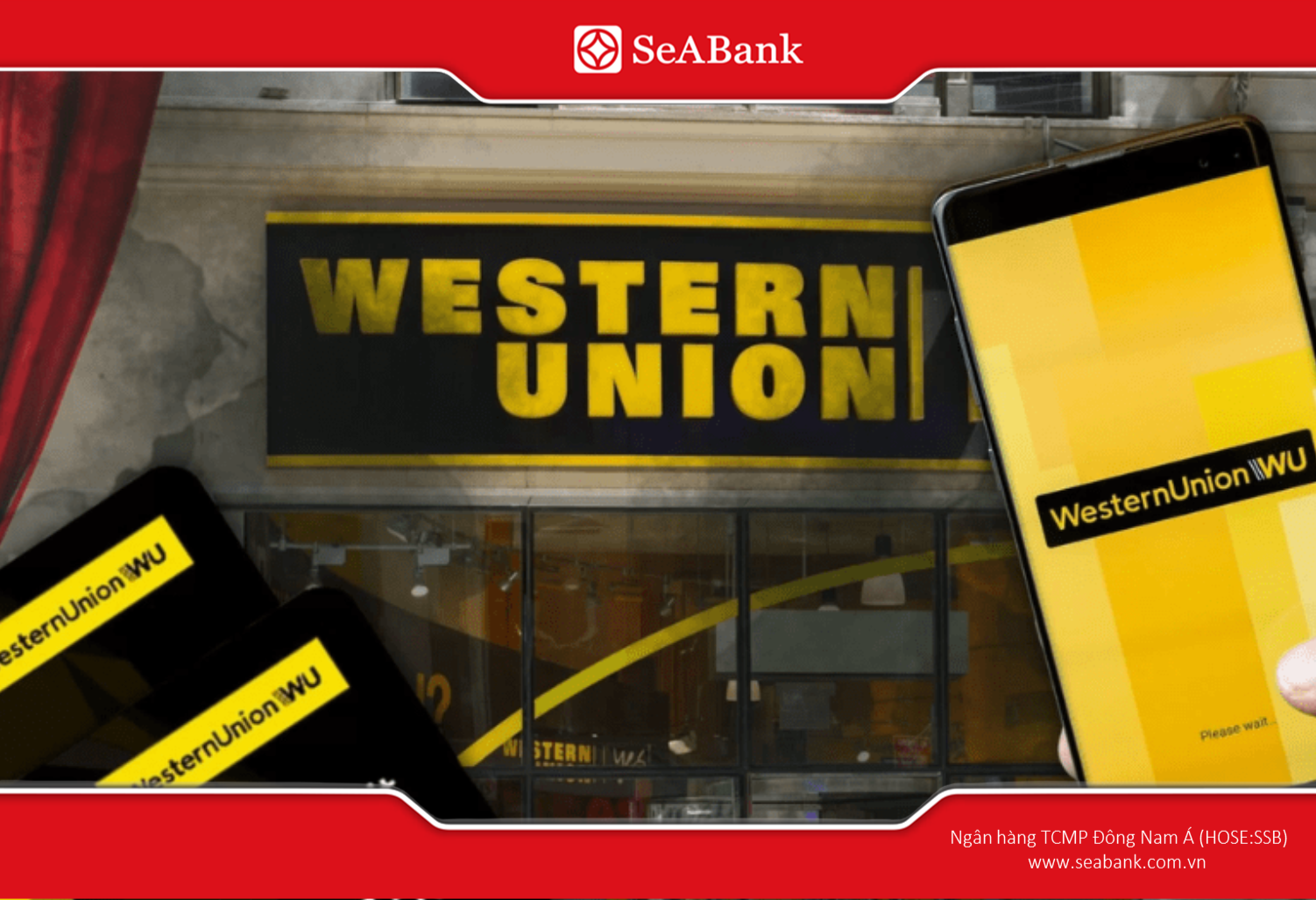
Western Union is a global financial bridge, making it easier for millions of people to send and receive money across borders every day.
1.3. Operating mechanism
Western Union operates on a multi-channel money transfer model, including:
- Deposit money at the counter (Western Union agent)
- Submit online via website or mobile app
- Transfer to bank account or e-wallet(depending on supported country)
The basic process is as follows:
- Step 1: The sender selects the service, fills in the recipient's information, makes the payment (by cash, card or bank transfer) and receives the money transfer control number (MTCN).
- Step 2: The recipient only needs to bring their ID and MTCN code to the transaction point to withdraw cash or wait for the money to be transferred to the account.
2. Advantages and disadvantages of Western Union
2.1. Advantages
Western Union offers convenience and speed for international money transfers, specifically:
- Extensive global network: Western Union supports transactions in more than 200 countries and territories, suitable for those who regularly transfer money internationally.
- Fast transaction speed: Many transactions can be completed in just a few minutes, especially those with cash pickup at the dealership.
- Many methods of money transfer and receipt: Support direct money transfer at the counter, via app, website or transfer to bank account or e-wallet (depending on country).
- High flexibility: The sender does not necessarily need to have a bank account, and the recipient can withdraw cash easily at agents.

Western Union has a fast, wide-ranging service, suitable for many users, including those without a bank account.
2.2. Disadvantages
Along with the advantages, Western Union also has some limitations that users need to consider:
- Service fees are higher than some competitors: Western Union has high fees for some forms of payment (like credit cards) or transfers to certain countries.
- Non-optimal foreign exchange rates: Western Union often applies lower than market rates, causing small financial losses if large amounts are transacted.
- Nationally regulated amount limits: Some countries, including Vietnam, limit the amount of money sent/received to comply with money control laws.
- Need accurate information: Recipient information must match exactly with identification documents, otherwise the transaction will be rejected.
3. How to transfer and receive money via Western Union in Vietnam
3.1. How to transfer money
Preparation requirements:
- ID card/CCCD/Valid passport
- Recipient information: Full name, country, city (if any), form of receiving money
- Cash or account/card (if transferred online)
Steps to follow (at the counter):
- Step 1: Go to the nearest Western Union support location (bank, post office, etc.)
- Step 2: Present your identification and fill out the "Money Transfer Form" form.
- Step 3: Deposit money (with fee) and confirm transaction.
- Step 4: Get the money transfer control number (MTCN) and notify the recipient.
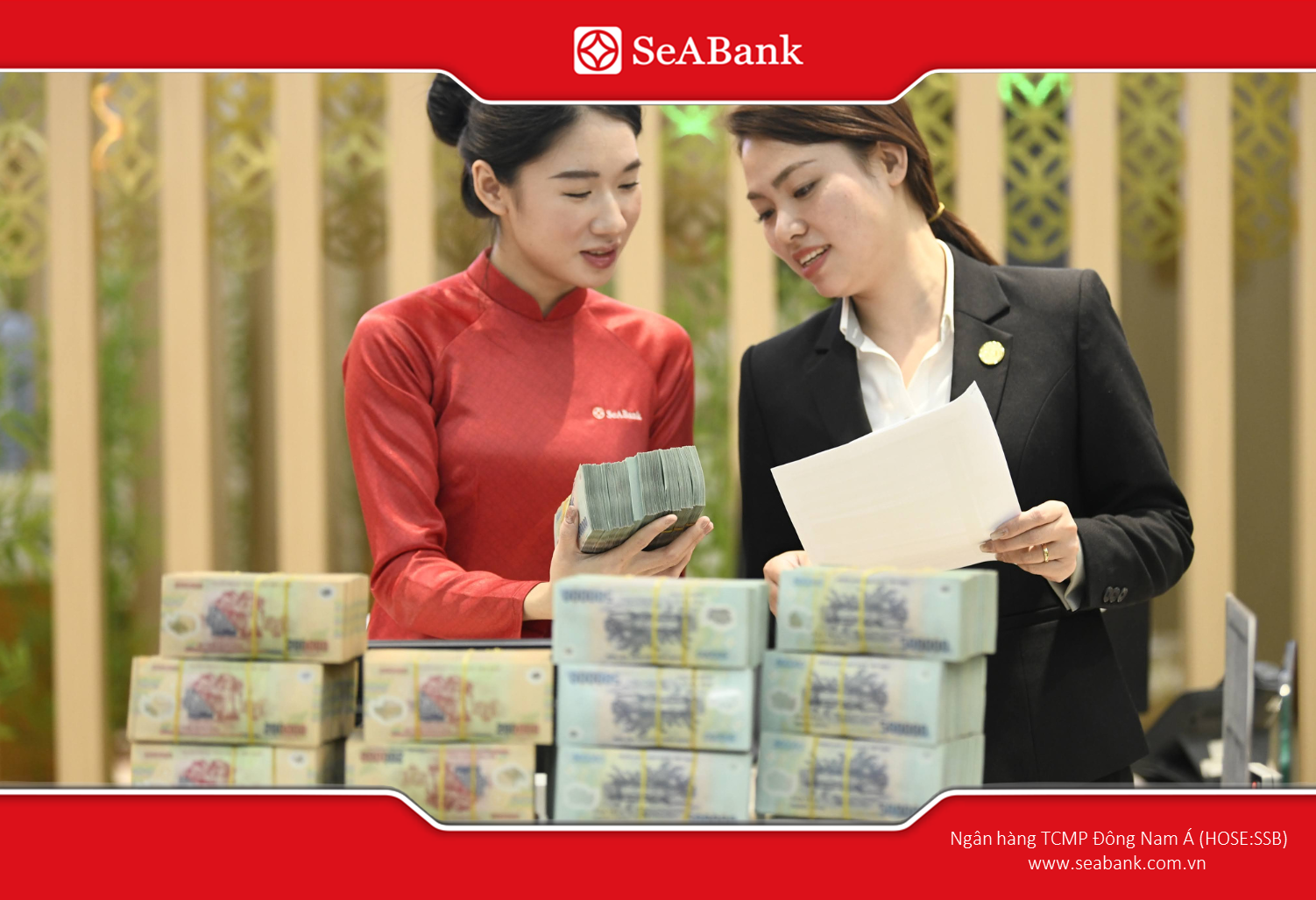
Users can directly deposit money through banks, agents or transfer online depending on their needs.
3.2. How to receive money
3.2.1. Receive money via bank account
In Vietnam, Western Union supports direct money transfer to bank accounts – a suitable option for users of e-banking services. The implementation process includes the following steps:
- Step 1: The recipient only needs to provide bank account information (including bank name, account number and account holder's name) to the sender.
- Step 2: Once the sender completes the transaction, the recipient can use the MTCN code to track the transfer progress or contact the bank to check.
- Step 3: Normally, the amount will be updated by the bank into the account within 1 to 2 working days, depending on the time and processing system of each bank.
3.2.2. Receive money directly at the transaction counter
Customers who do not have a bank account can go to the counter of banks that have a partnership with Western Union to receive money through the following steps:
- Step 1: Provide ID card/Passport and recipient information.
- Step 2: The bank compares, verifies and processes the money receipt.

Customers without bank accounts can receive cash at the counter.
4. Western Union money transfer fees
When using Western Union to transfer money internationally, fees can vary depending on many factors. For example, for transfers to Vietnam, the sender may have to pay approximately3% of total deposit. This is a common fee that some banks in Vietnam apply when receiving money via Western Union.
However, when transferring money internationally in general, the service fee is not fixed but also depends on the method the sender chooses (cash transfer, bank transfer or card), the receiving country, as well as the foreign exchange rate at the time of the transaction. Therefore, to know the exact amount to pay, users should check specifically on the Western Union system or website before making the transaction.
Here are some notes about Western Union's fee schedule:
- Counter transfer fee: Usually higher than online transactions, due to operating costs.
- Fees for receiving money via bank account: In some countries, the recipient may not be charged a fee if the money is transferred to an account.
- Fees are calculated on a per-amount basis: The larger the amount, the higher the fee.
- Exchange rate: Western Union often applies its own exchange rate, which may be lower than the listed market rate — this can be considered a type of “hidden fee.”

Western Union fees depend on the country, amount and type of transaction, so you need to consider carefully to optimize costs.
5. Notes when using Western Union in Vietnam
When receiving money through Western Union, you should pay attention to the following points to ensure the transaction is safe and smooth:
- Verify transaction information: Double check the money transfer control number (MTCN) and sender information. Any discrepancies may result in the transaction being declined.
- MTCN code security: Do not share your money transfer code with strangers to avoid the risk of fraud or loss.
- Bring valid identification: When receiving money directly at the counter, you need to present a valid ID card, passport or driver's license to verify your identity.
- Note on service fees: Some units may charge a fee for receiving money or collect exchange rate differences, so you should find out in advance to be financially proactive.
- Time limit for receiving money: Transactions are typically valid for 30–45 days. If they expire, you will need to contact Western Union to reprocess them.
- Attention to foreign exchange rates: Different agents may apply different exchange rates. Checking in advance will help you optimize the amount you receive.
Hopefully the above information has helped you understand what Western Union is, how it works, its advantages and disadvantages, and how to transfer and receive money through this system in Vietnam. If you are looking for a safe, fast, and easy-to-implement international money transfer solution, Western Union is definitely a worthy choice.
If you are looking for a reputable bank to receive and transfer Western Union money in Vietnam, SeABank is an outstanding suggestion. As an official agent of Western Union, SeABank supports receiving money from abroad quickly and flexibly in both VND and USD, through a wide network as well as a modern digital banking platform.
If you want to learn more about SeABank products, you can contact the nearest transaction point or call Hotline 1900 555 587 or visit the website www.seabank.com.vn for more details.