News
Personal documents that will not be accepted by banks for transactions from January 1, 2026
 26/01/2026
Learn about different types of personal documents that will not be accepted by banks in certain banking transactions according to new regulations, effective from January 1, 2026.
When opening an account, applying for a loan, or conducting financial transactions, preparing the correct and complete documentation is one of the crucial factors affecting whether the application will be accepted and processed by the bank.goodNo. However, not everyone is aware of the types of documents that banks do not accept, leading to rejected transactions or prolonged processing times. This article will help you update the latest regulations applicable from January 1, 2026.
1. Three types of documents that banks will not accept from January 1, 2026.
According to Circular No. 17/2024/TT-NHNN and Circular No. 18/2024/TT-NHNN by the State Bank effective from January 1, 2026, the entire banking system in Vietnam will no longer accept the following types of identification documents as the primary basis for verification when conducting certain banking transactions, according to the new regulations:
- Passport (including the new passport model)
- Police ID
- Military ID
Note: For cases using police or military identification cards, if this is the only registered identification document, the bank account will be blocked from transactions from the date the document expires or from January 1, 2026, whichever comes first.
The new regulations apply uniformly to all banking and financial services, including:
- Open a new payment account.
- Issuing, managing, and using bank cards.
- Over-the-counter transactions: cash withdrawal, money transfer, payment
- Electronic banking transactions (Internet Banking, Mobile Banking)
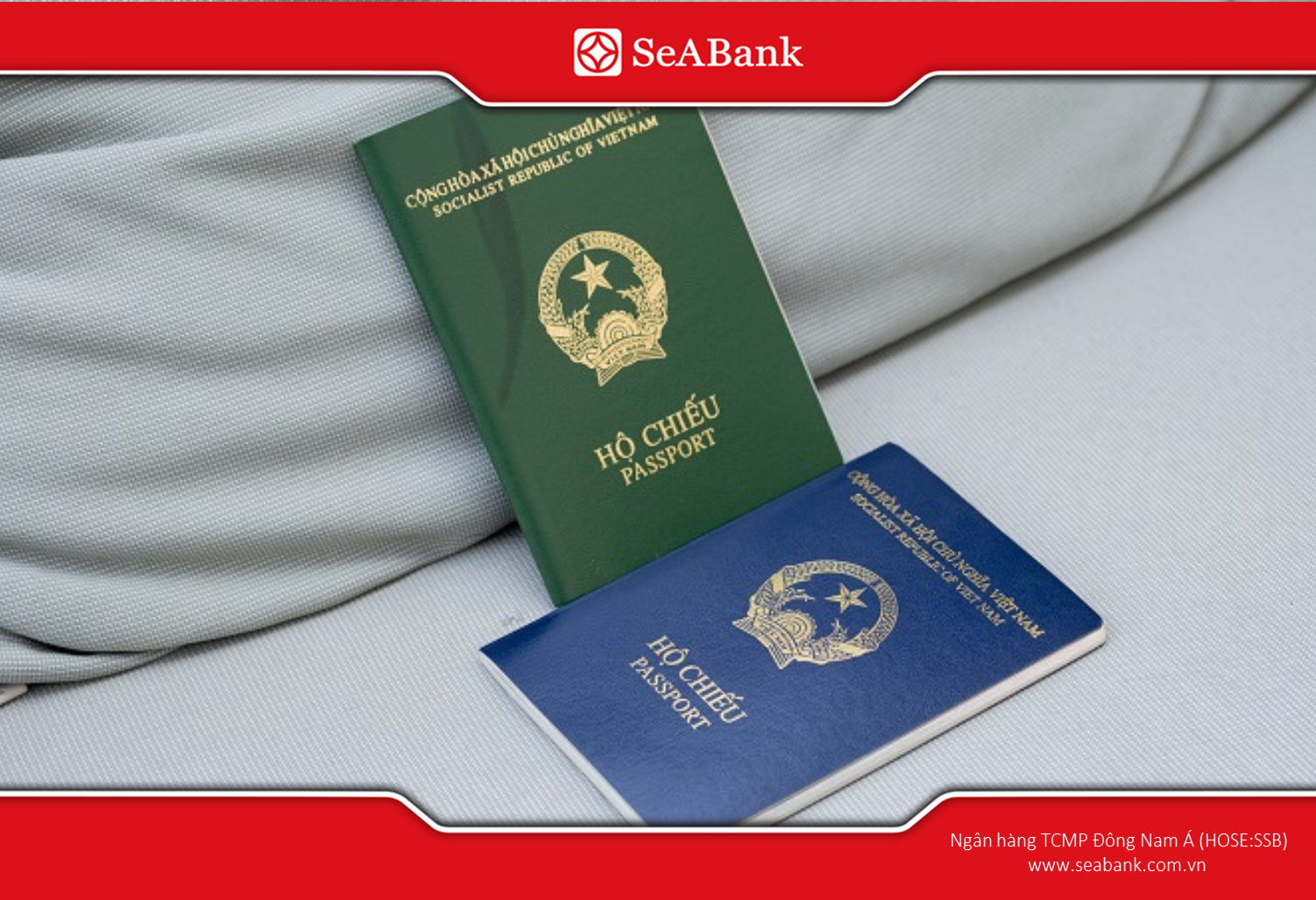
From January 1, 2026,Passports are no longer used as the primary identification document in domestic banking transactions for Vietnamese citizens.
2. New regulations for opening a card and using banking services.
According to Point c, Clause 5, Article 17 of Circular 17/2024/TT-NHNN, all cash withdrawals or electronic payments will only be processed when the customer's biometric data matches the original data stored in:
- Chip-embedded citizen identification card
- ID card
- Level 2 Electronic Identification (VNeID)
This means that passports – a document previously accepted under the old 2018 Circular – are officially no longer valid in domestic banking verification processes for Vietnamese citizens.
According to the State Bank of Vietnam, this change aims to:
- Preventing high-tech crime
- Restrict fake and fraudulent accounts.
- Standardize customer data across the entire banking system.
Because vTherefore, from January 1, 2026, bank accounts may have certain transactions temporarily suspended according to regulations.newif the customer has not yet updated valid replacement documentsTo avoid transaction disruptions, banks recommend that customers:
- Visit a branch/transaction office soon to update your chip-embedded citizen ID card or electronic ID card.
- Biometric verification completed.
- This is especially important for those who frequently use digital banking.
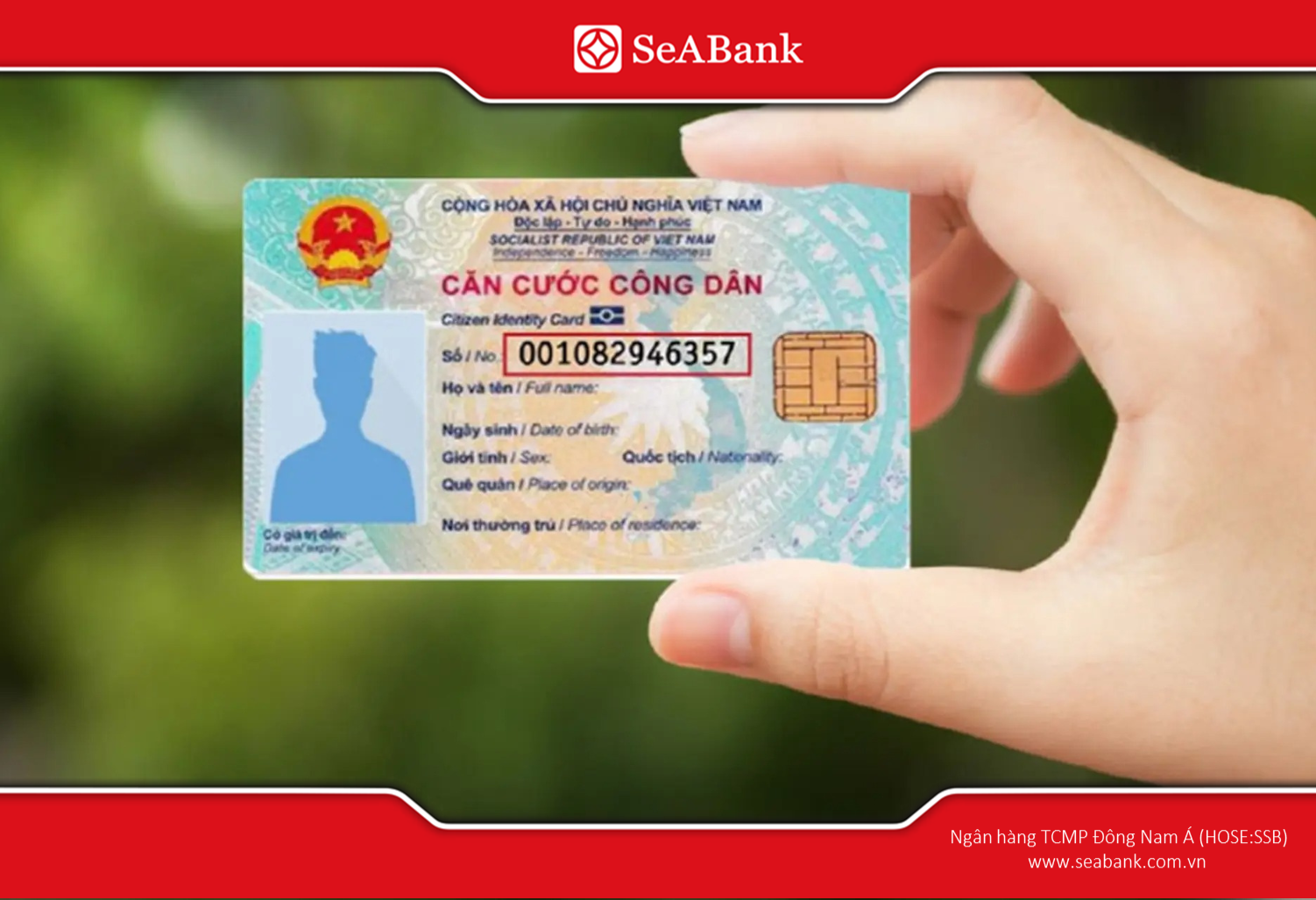
The new regulations require customers to use chip-embedded or electronically scanned identity cards to open cards and authenticate transactions at banks.
3. Notes on using identification documents at the bank.
To avoid transaction disruptions and ensure your rights are protected when dealing with banks, customers should pay special attention to the following important issues related to the use of personal identification documents:
- Validity of documents: Only use chip-embedded citizen identification cards or electronic identity cards that are still valid, have clear information, and are not torn, faded, or damaged.
- Information consistency: The full name, date of birth, and identification number on the documents must match the bank records and CIC data.
- Biometric authentication: Face or fingerprint matching must be completed as required to ensure uninterrupted transactions.The banking system may temporarily prevent certain transactions from being processed if the information has not been fully verified according to regulations.
- Timely updates: When changing your identification documents (changing from ID card to citizen identification card, updating VNeID), you need to notify and update them immediately at the bank.
- No substitute documents: Passports, identity certificates, or photocopies are no longer accepted in many banking transactions.
- Protect your personal information: Never lend, photograph, or share your identification documents to avoid the risk of financial fraud.
To help customers proactively adapt to the new regulations of the State Bank of Vietnam from January 1st...In January 2026, SeABank informed and assisted customers in proactively updating documents and completing verification according to the new regulations to minimize transaction disruptions:
- Proactive review and notification: SeABank conducts data verification of personal identification documents and sends notifications to customers who have not yet updated their chip-based citizen identification cards or electronic identification to avoid transaction disruptions.
- Quick document update support at the counter: Customers can visit any SeABank branch/transaction office nationwide to receive guidance on updating documents and quickly verifying biometrics.
- Instructions for biometric authentication: SeABank staff will directly assist with facial and fingerprint verification in accordance with the new regulations, especially for customers who frequently use digital banking.
- Remote consultation via customer service hotline: Customers can contact SeABank's Call Center for advice on valid documents, the process of updating their records, and necessary notes before the official implementation date.
SeABank recommends that customers proactively update their documents and complete verification early to ensure that all financial transactions are maintained continuously, securely, and conveniently in accordance with the new legal regulations.
Understanding which documents are not accepted by banks will help customers be more proactive in preparing their applications, minimizing the risk of transaction disruptions or loan rejections. Before undertaking any financial procedure, you should carefully check the legality, validity, and suitability of the documents according to current regulations to ensure that the transaction process at the bank is quick, smooth, and secure.
Related News
FRAUD AND ASSET MISAPPROPRIATION ALERT BULLETIN Q2/2026 26/06/2026
Guidelines for increasing pensions, social insurance benefits, and monthly allowances by 8% from July 1, 2026. 15/06/2026
5 things that household businesses with revenue under 1 billion VND need to be aware of according to the new regulations. 20/05/2026
What is consumer credit? 5 common types of consumer credit 31/03/2026
What is a demand deposit? Interest rates and how interest is calculated (updated 2026). 31/03/2026
FRAUD AND ASSET MISAPPROPRIATION ALERT BULLETIN Q2/2026
Dear Our Esteemed Customers,
26/06/2026
Read more


Guidelines for increasing pensions, social insurance benefits, and monthly allowances by 8% from July 1, 2026.
The Minister of Home Affairs issued Circular No. 14/2026/TT-BNV detailing the adjustment of pensions, social insurance benefits, and monthly allowances. Accordingly, from July 1, 2026, pensions, social insurance benefits, and monthly allowances will increase by 8%.
15/06/2026
Read more

5 things that household businesses with revenue under 1 billion VND need to be aware of according to the new regulations.
The new regulations officially raise the taxable revenue threshold for household businesses to 1 billion VND per year. However, household businesses with revenue below 1 billion VND should take note of the following points.
20/05/2026
Read more