Physical Cards: Definition, Characteristics, Benefits, and Usage
25/03/2026
What is a physical card? Explore the characteristics, differences between physical and virtual cards, benefits, and how to use them safely in daily transactions.
Amidst the growing diversity of payment methods, many customers still seek to understand exactly what a physical card is. As a traditional payment method, the physical card maintains a vital role in daily transactions due to its convenience, ubiquity, and ease of use. Understanding the concept and features of a physical card helps customers choose the right payment method and utilize it more effectively.
Note: The figures and information in this article are compiled from general market sources and do not apply specifically to SeABank's products or services.
1. What is a physical card?
1.1. Concept
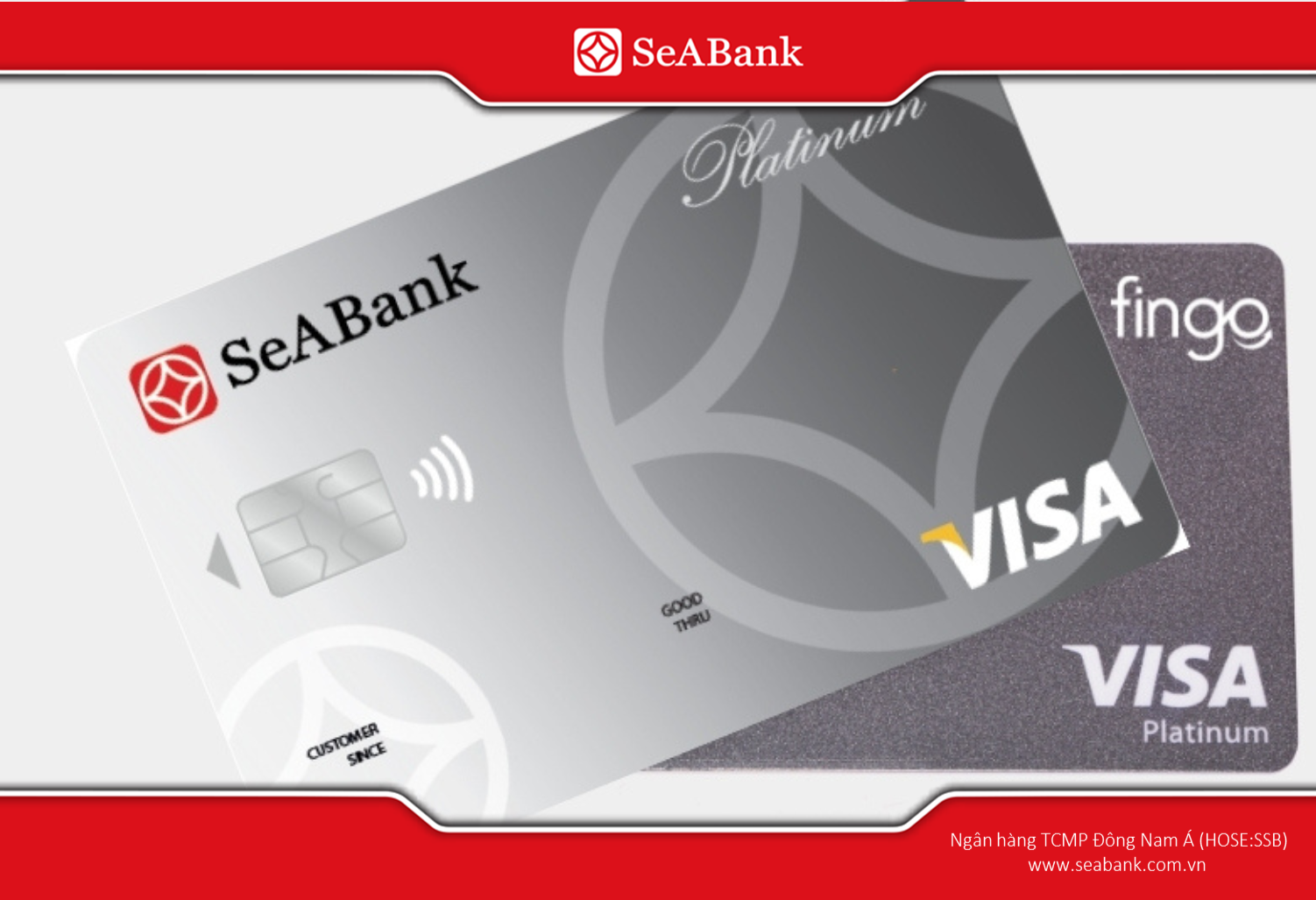
A physical card is a payment card issued by a bank in a hard form—typically made of plastic—that can be held and used directly at ATMs, POS terminals, or other card-acceptance points. These can be debit, credit, or prepaid cards, linked to the cardholder's bank account or credit limit.
1.2. Structure
A standard physical tag typically includes the following components:
A standard physical card generally consists of the following components:
Durable plastic material that resists wear and tear.
EMV chip or magnetic stripe to store and encrypt transaction data.
Card number embossed or printed on the surface.
Signature panel on the back.
Bank and card network logos (such as Visa, Mastercard, Napas, etc.).
Essential information displayed on the card includes:
Cardholder's name.
Card number.
Expiry date.
Security code (CVV/CVC).
Issuing bank's name.
The information on the card helps verify the cardholder and facilitates payment and withdrawal processes.
1.3. How it works
When customers use a physical card to make payments or withdraw money, the system identifies the card information via a chip or magnetic strip. The customer then authenticates the transaction using a PIN or other security measures.
1.4. Benefits of physical cards
Physical cards offer several practical advantages:
Convenient payments at almost all card-acceptance points.
User-friendly, making them suitable for a wide range of customers.
Quick cash withdrawals at ATMs.
High security through chip technology and PIN codes.
Global acceptance both domestically and internationally.
2. Common types of physical cards currently available
2.1. Physical Debit Card
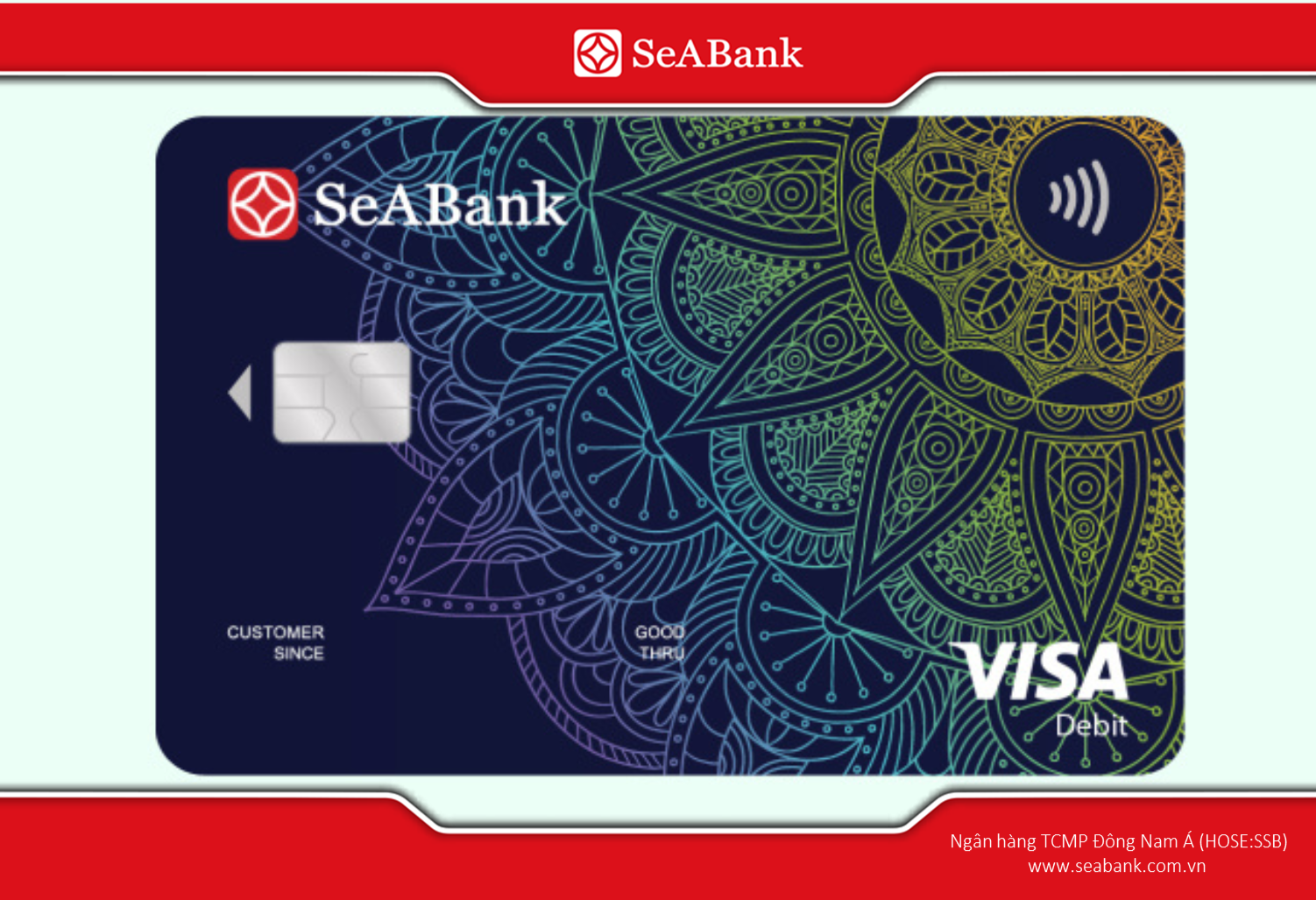
A physical debit card is linked directly to a customer's payment account. Every transaction or withdrawal is deducted immediately from the available balance. This allows customers to spend only what they have, facilitating effective budget control and debt avoidance.
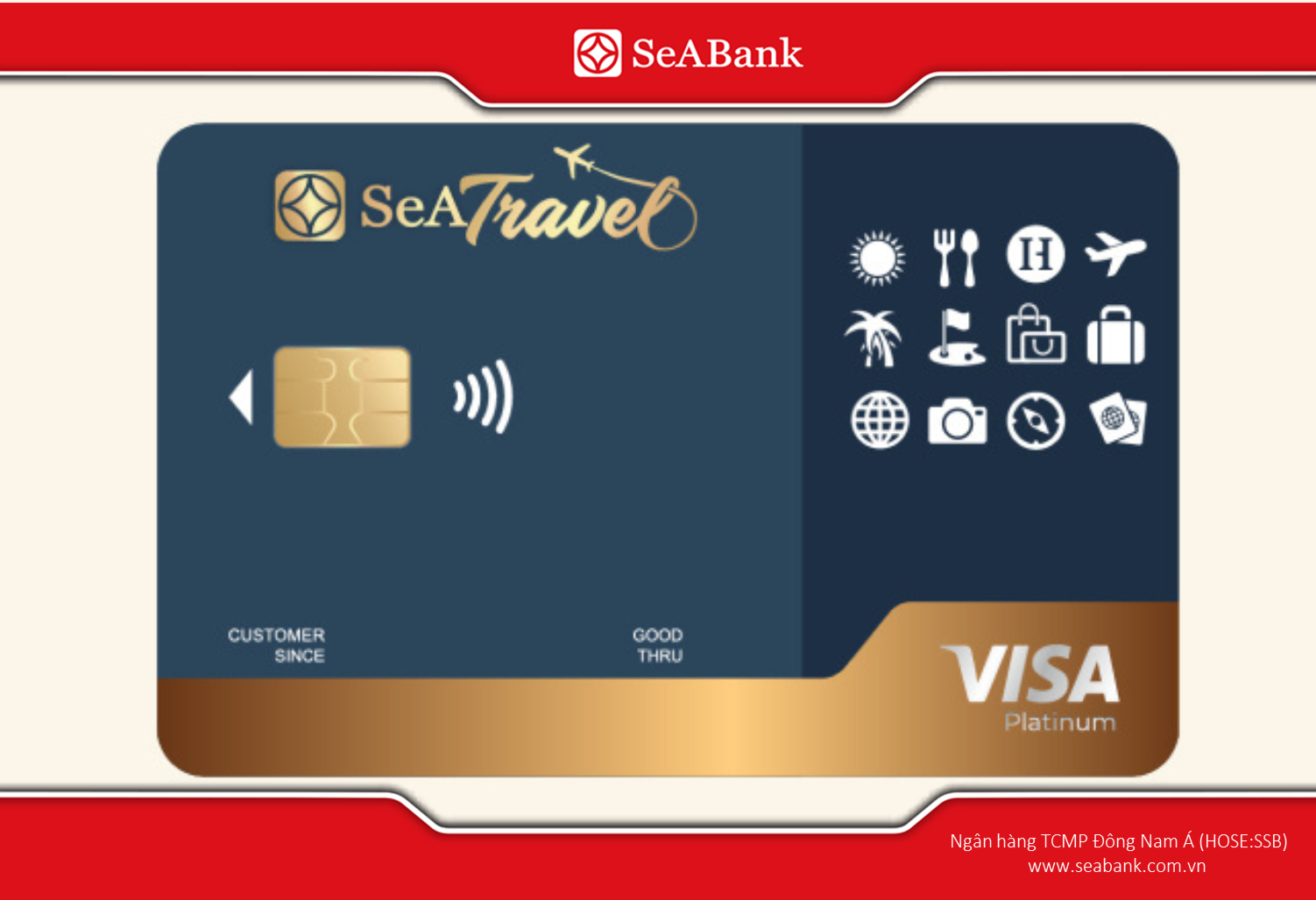
Physical debit cards are suitable for many groups.client
2.2. Physical Credit Card
Physical credit cards allow customers to spend first and pay back later within a credit limit granted by the bank. The bank grants the cardholder a certain credit limit based on income and credit history, along with an interest-free period if payments are made on time.
Physical credit cards are suitable for customers who need flexible spending, shopping, or want to take advantage of bank offers.
2.3. Physical Prepaid Card
A physical prepaid card does not require a link to a bank account. Customers load a specific amount of money into the card and can only spend within that limit. This is ideal for controlling spending, giving as gifts, or for individuals who do not yet meet the requirements to open a full bank account.
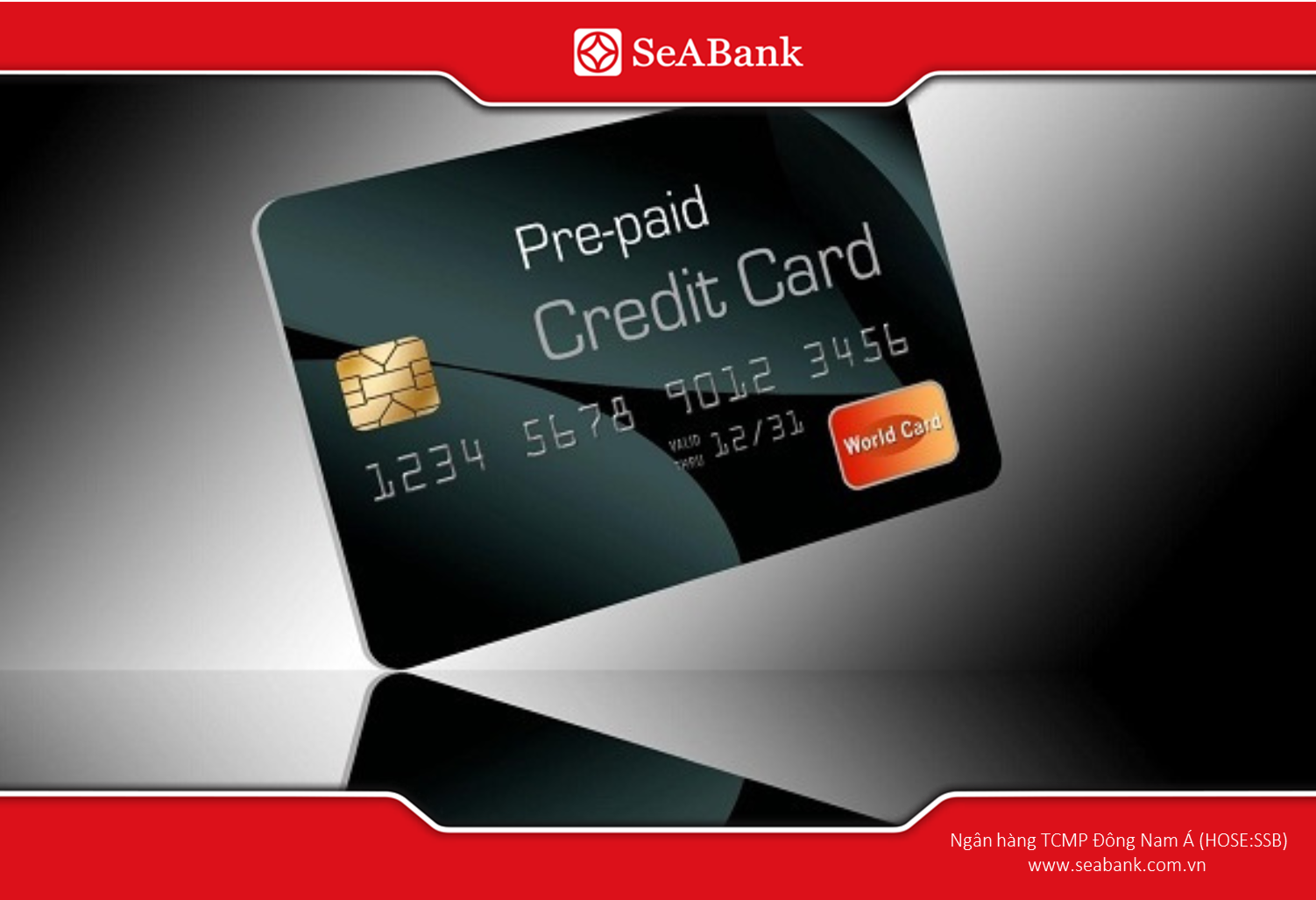
Prepaid cards help customers conveniently control their spending.
3. Differentiate between physical and non-physical cards.
With the rise of digital banking, virtual cards (non-physical cards) have become a popular alternative to traditional physical cards. Each type serves specific needs and environments.
Comparison table of physical and non-physical cards
Criteria
Physical Card
Virtual Card (Non-physical)
Form
Hard card, tangible
Electronic card, displayed on an app
Usage
Swipe, tap, or insert at ATM/POS
Online payments or via e-wallets
Cash Withdrawal
Supported at ATMs
Not directly supported
Issuance Time
Requires time for production and delivery
Available almost immediately after registration
Convenience
Best for in-person transactions
Best for online payments
Security
Safe; risk of physical theft
Reduced risk of theft; easy to lock/unlock
Scope of Use
Domestic and International
Primarily for online transactions
Choosing between the two depends on individual needs. If you frequently withdraw cash or shop in person, a physical card is ideal. For those prioritizing e-commerce and flexibility, a virtual card offers more utility.
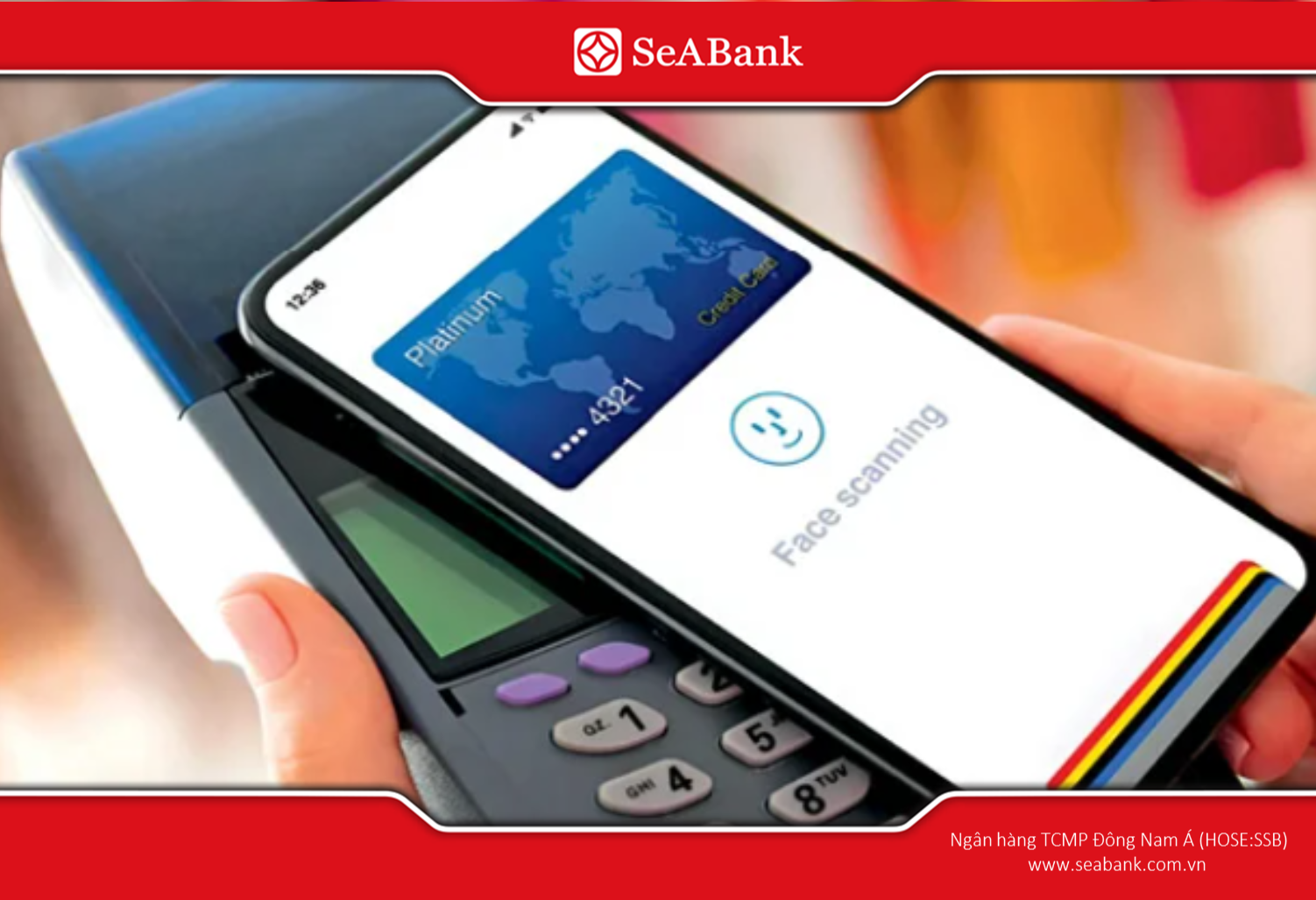
The virtual card is integrated into the phone for high convenience.
4. Important notes on using physical cards safely.
Physical cards offer convenience in payments and withdrawals; however, customers need to use them correctly to minimize risks and protect their personal assets. Below are some important points to note when using physical cards.
Card information security: Customers must keep all information printed on their cards, such as card number, cardholder name, expiry date, and security code, absolutely secure. Do not share images of your card or provide card information to websites, applications, or individuals of unknown origin. When making transactions, customers should perform the transaction themselves and carefully check the payment information.
Avoid losing or damaging the card: Avoid bending or scratching the chip, exposing it to high temperatures or strong magnetic fields. Customers should keep their cards in a safe place and avoid lending them to others to prevent unwanted risks.
What to do if you lose your card: If a customer discovers their physical card is lost or suspects it has been stolen, they should contact the bank immediately to lock the card promptly, customers should then go to the nearest branch to get assistance in obtaining a new card and to check any transactions to ensure financial security.
5. Open a bank card at SeABank - Enjoy the latest exclusive offers.
Southeast Asia Commercial Joint Stock Bank (SeABank) is one of the reputable joint-stock commercial banks in Vietnam, officially operating since 1994. Over more than three decades of formation and development, SeABank has continuously expanded its network of branches and transaction offices nationwide, providing customers with comprehensive, modern, and secure financial and banking solutions.
With a focus on sustainable retail banking development, SeABank always places customers at the center, promoting the application of digital technology to improve service quality and user experience. In particular, SeABank's card products are designed to be diverse, flexibly meeting the spending, payment, and benefit-enhancing needs of various customer groups.
SeABank Credit Card
The portfolio includes Visa BRG Elite, Visa SeAPremium, Visa Gold, Mastercard Gold, and S24++ domestic chip cards.
Cashback programs and online shopping offers.
Fast, secure payments via Contactless and Samsung Pay.
EMV chip technology to minimize fraud risks.
SeABank Debit Card
The portfolio includes Visa BRG Elite, Visa SeAPremium, Visa Gold, Mastercard Gold, and S24++ domestic chip cards.
Cashback programs and online shopping offers.
Fast, secure payments via Contactless and Samsung Pay.
EMV chip technology to minimize fraud risks.
Customers will enjoy many privileges when opening a card at SeABank.
SeABank SeASoul 2in1 Multi-Purpose Card
This innovative solution combines a payment account and a credit limit on a single card. Available in both physical and virtual forms, it offers unique perks:
Tap the card to play music by singer My Tam on Spotify via NFC technology.
15% cashback on platforms like Spotify, Netflix, YouTube, and mytammusic.com.
1% cashback on dining, travel, and entertainment; 0.2% on other transactions.
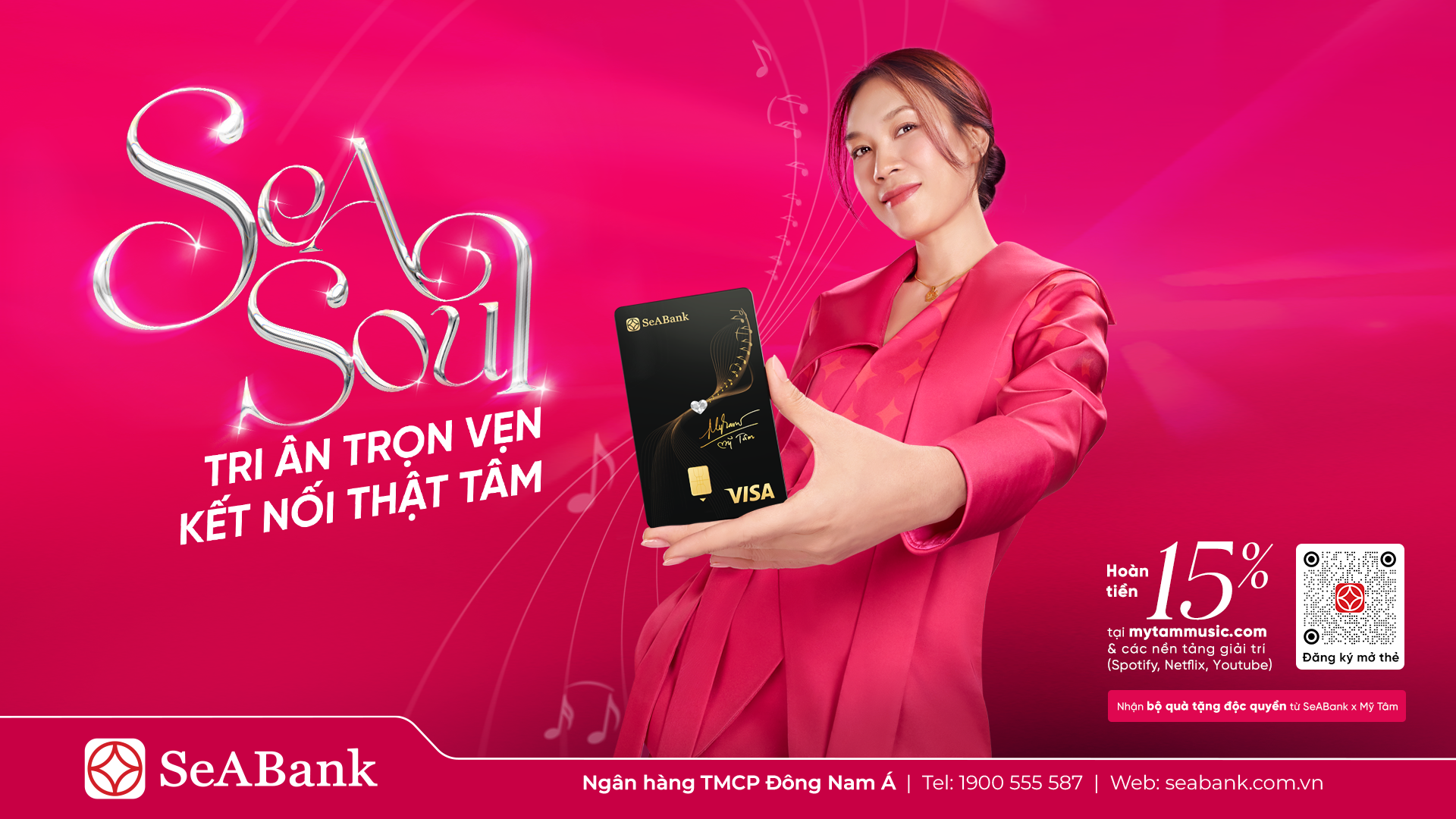
SeABank collaborates with singer My Tam to launch the SeASoul 2in1 Visa card - an emotionally fulfilling financial experience.
6. Frequently Asked Questions
Does a physical card need to be linked to an account?
It depends. Debit cards must be linked to a payment account, whereas prepaid cards do not necessarily require one.
Can a physical card be used for online payments?
Yes, provided the online payment function is activated and the merchant supports it.
Is a physical card mandatory?
No, if you only perform online or virtual card transactions. However, it remains essential for ATM cash withdrawals and in-person payments.
Based on the information above, it is clear that understanding a physical card is crucial. This will help customers be more proactive in choosing and using cards that suit their spending needs and personal financial management. Combining physical cards with modern digital banking solutions will provide a safe, flexible, and convenient payment experience in modern life.
If youTo learn more about SeABank's card products, you can contact the nearest branch, call the Hotline 1900 555 587, or visit the website.www.seabank.com.vn for more details.
Southeast Asia Commercial Joint Stock Bank (SeABank)