News
What's the difference between a Visa card and a regular card?Compare costs and use cases.
 30/03/2026
How does a Visa card differ from a domestic card? This article compares payment options, fees, and when you should use a Visa or a domestic card.
What's the difference between a Visa card and a regular card? This is a common question when customers are considering opening a bank card. In reality, these are two completely different types of cards in terms of nature, payment scope, and operating costs. Understanding the differences between Visa and domestic cards will help customers choose the product that best suits their spending needs, lifestyle habits, and personal financial plans. Let's explore the details in the article below.
1. What is a Visa card? How many types of Visa cards are there?
Visa cards are international payment cards issued by banks under license and according to the standards of Visa Inc (USA). In Vietnam, Visa cards are widely used for domestic and international payments, online shopping, and cross-border transactions.
Currently, Visa cards are divided into three main types:
Visa Debit (International Debit Card)
Directly linked to the customer's payment account. Cardholders can only spend within their available balance. Suitable for daily payment needs and tight spending control.
Visa Credit (International Credit Card)
It operates on a "spend now, pay later" basis. The bank grants credit limits based on the customer's financial profile and credit history.Cardholders are entitled to a certain amount of time.Interest-free periods are subject to the regulations of each bank (usually up to 45 days), along with installment payment programs, cashback, and reward points.
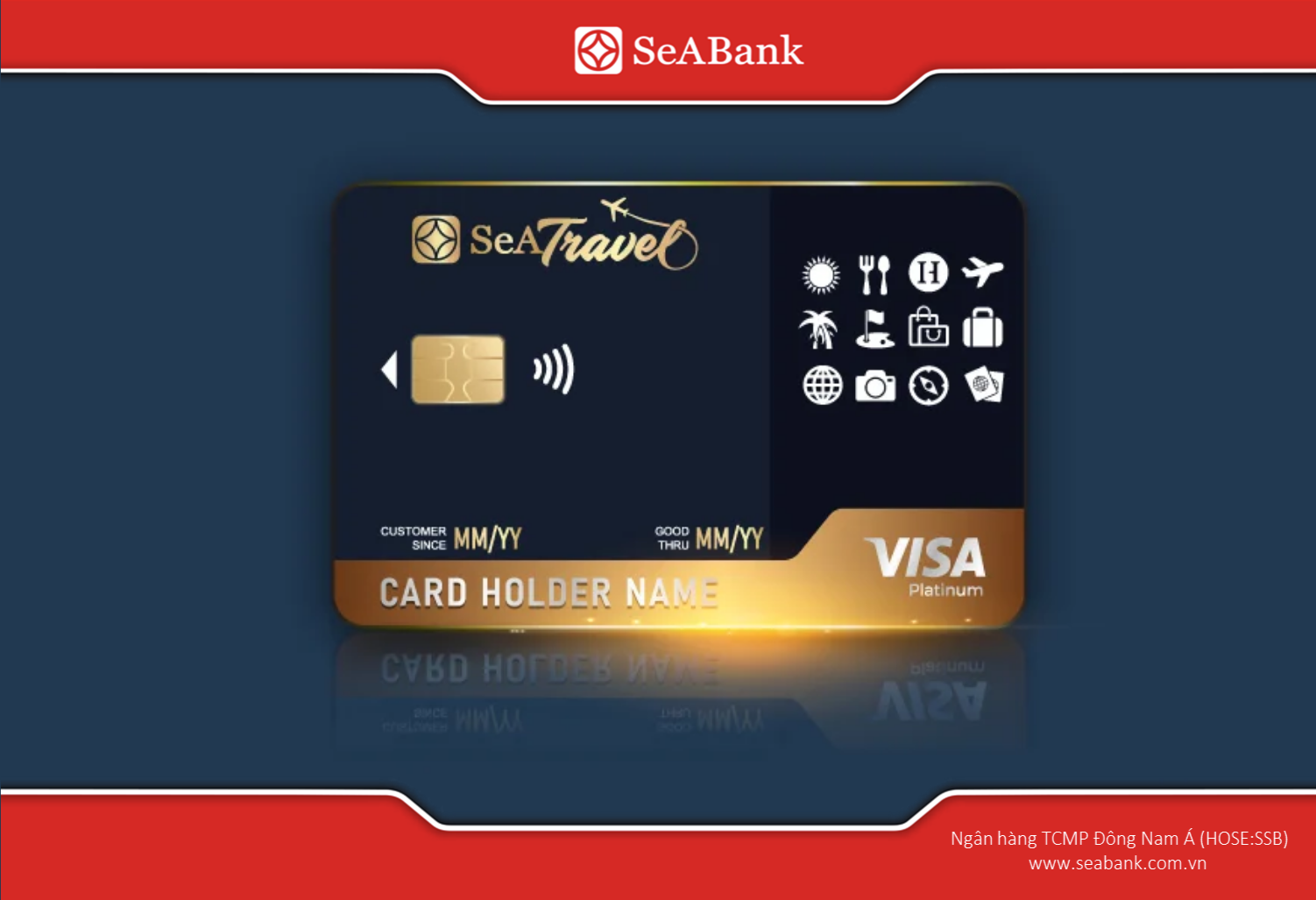
Visa Credit Card
Visa Prepaid Card
No bank account linking is required. Customers can deposit money directly into the card for use. This type of card is suitable for budget management, secure online payments, or as a gift.
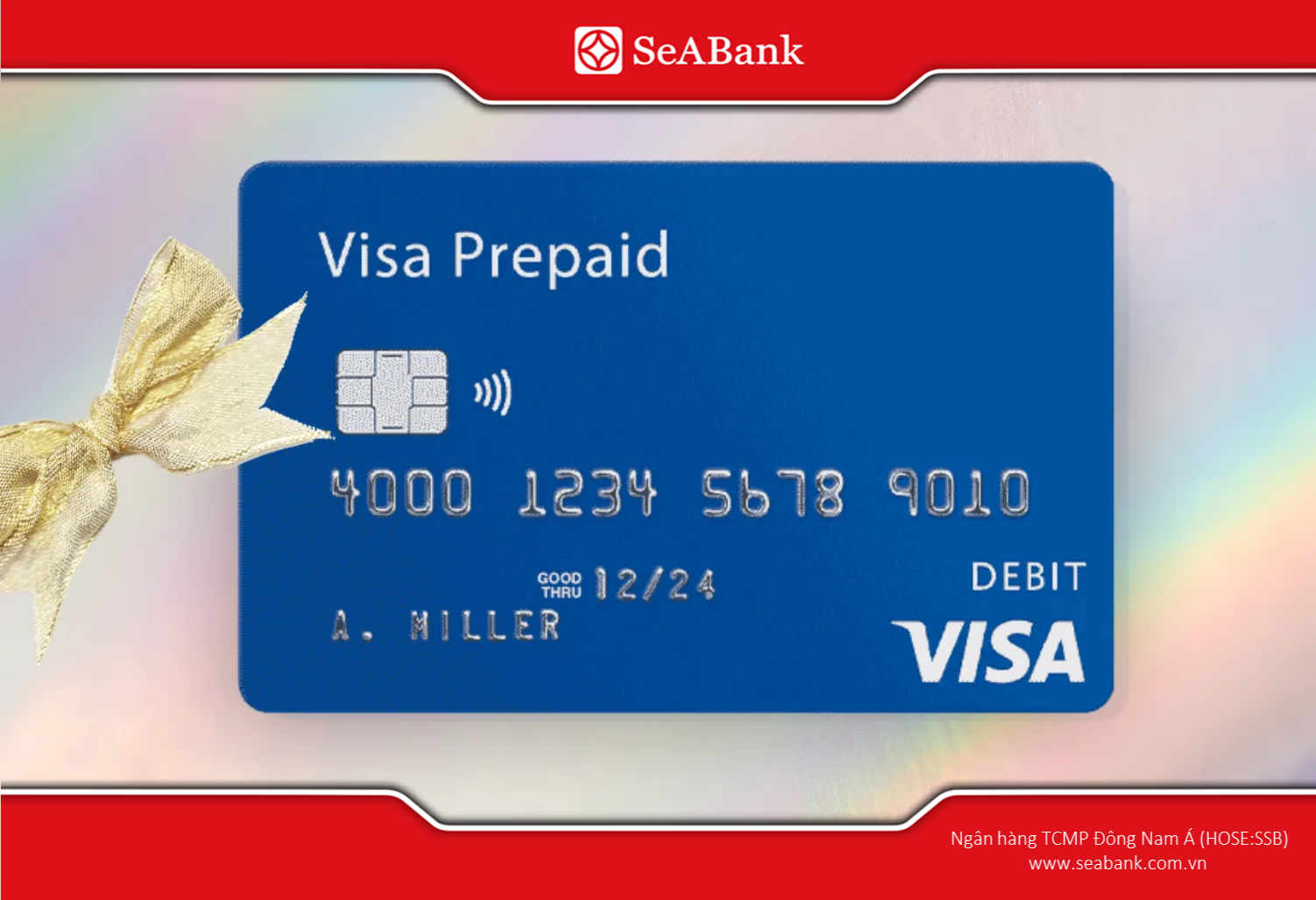
Visa Prepaid Card
2. What are the differences between a Visa card and a regular card?
In common usage, "regular card" is usually understood to mean a domestic card issued by banks through the Napas switching system.
When should you use a Visa card or a regular card?
The choice of card type depends directly on the customer's needs and usage habits.
You should use a Visa card when:
- I frequently shop on international e-commerce platforms like Amazon and eBay.
- There is a need for travel, business, or payment processing abroad.
- Looking to take advantage of cashback, reward points, and frequent flyer mileage redemption programs from global brands.
You should use a domestic card when:
- Only domestic payment needs arise.
- Withdraw cash at domestic ATMs.
- Prioritize optimizing annual card operating costs.
In practice, many customers choose to combine both Visa and domestic cards to optimize their payment experience.
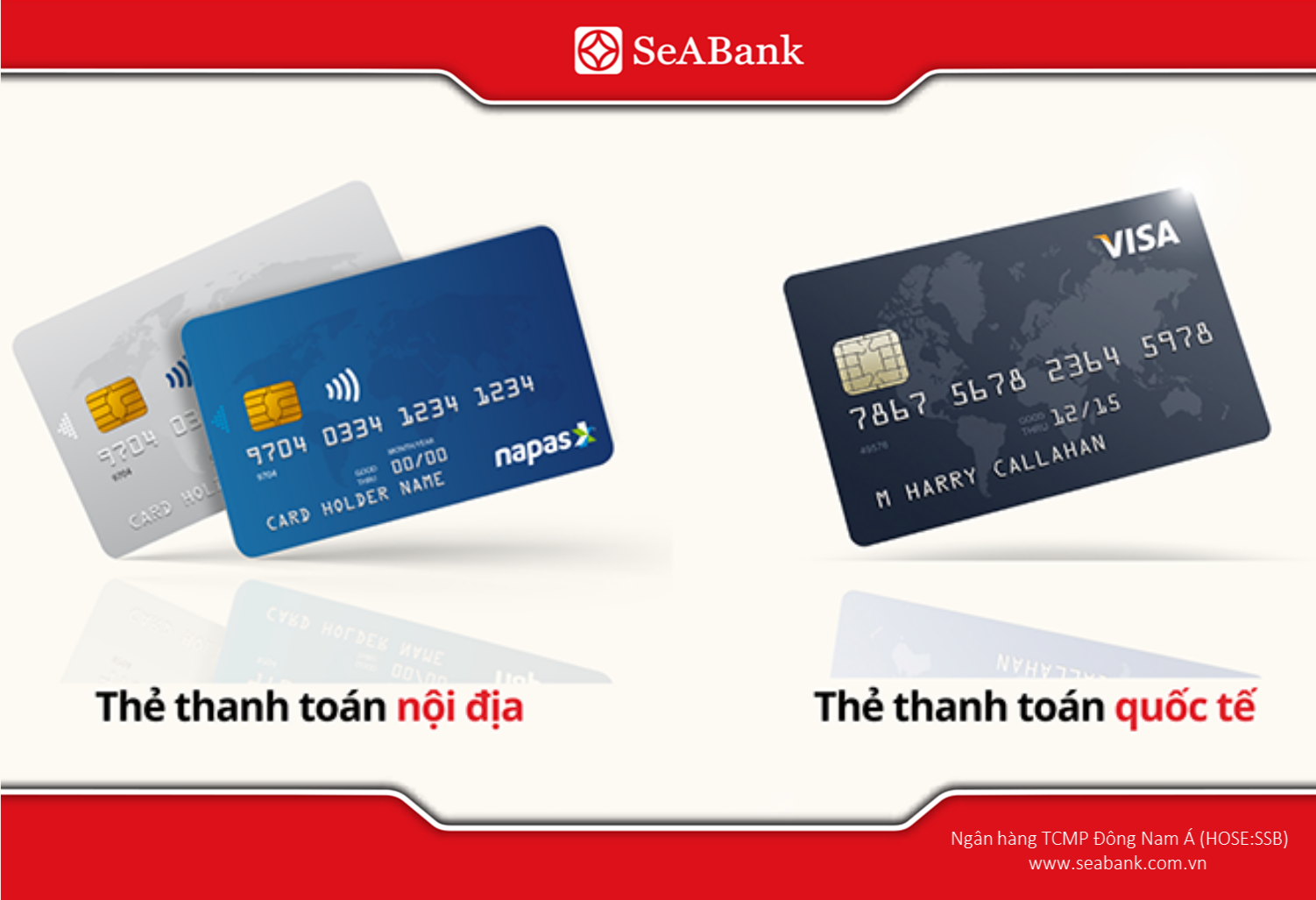
Visa cards and domestic cards differ completely in terms of payment scope and fee structure.
3. SeABank - A reputable bank providing international debit cards.
Southeast Asia Commercial Joint Stock Bank (SeABank) is a joint-stock commercial bank operating in Vietnam, SeABank offers a diverse range of financial products, among which its international debit card is a popular choice for many customers due to its convenience, security, and global connectivity.
Benefits of using a SeABank international debit card
- SeABank offers a range of international debit cards that meet modern security and convenience standards, effectively supporting domestic and international transaction needs:
- Connect global: Payments can be made at points of sale worldwide within the scope of operation of the international card organization..
- Enhanced security: Implement security layers in accordance with card organization standards and bank regulations..
- Flexible management: Monitor balance changes, lock/unlock cards, and manage transactions 24/7 via the SeAMobile app.
- Included benefits: Free annual fee for the first year on some card types (such as SeAMileage) and various promotional programs from strategic partners.
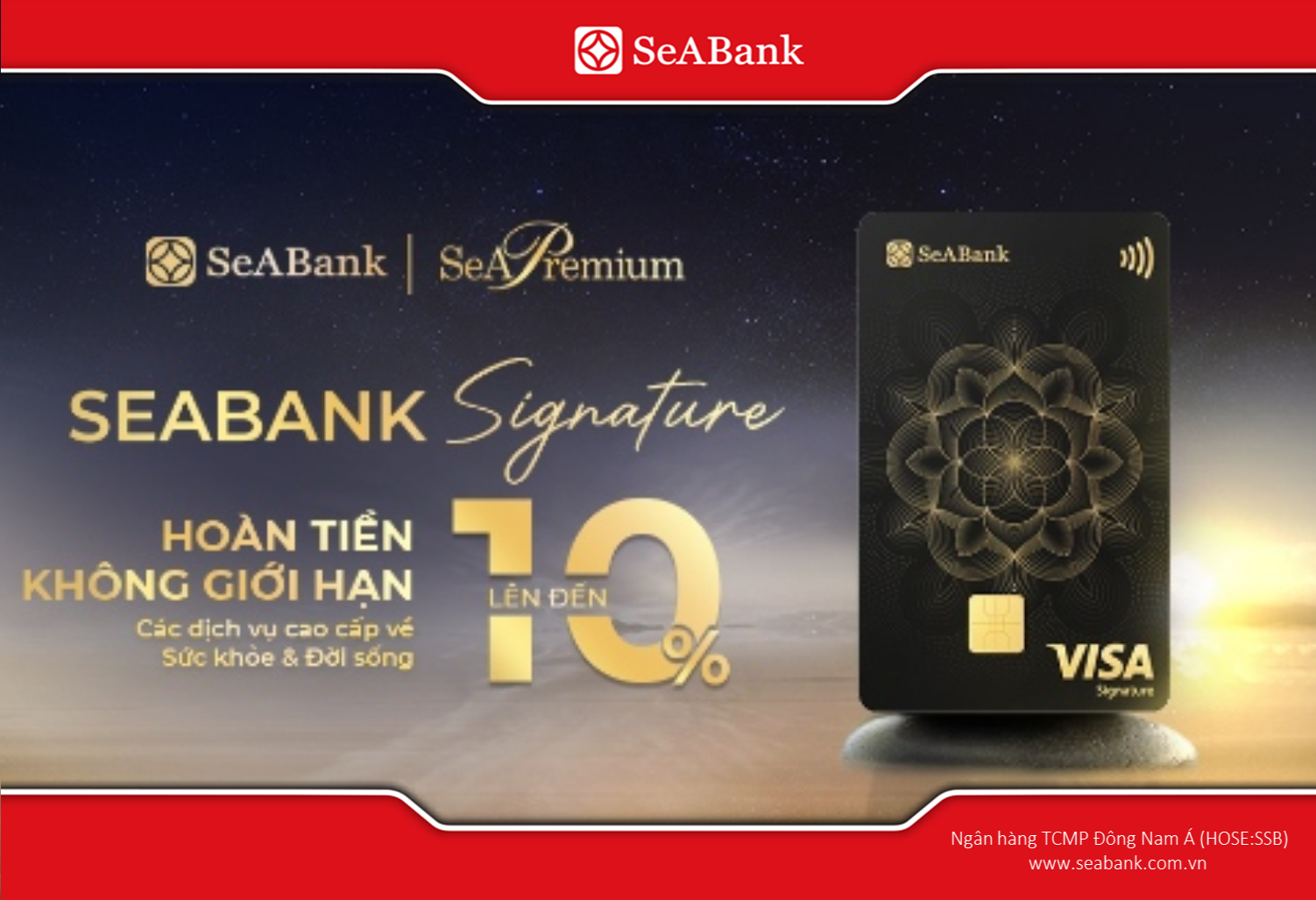
Open a SeABank Visa card to enjoy cashback privileges and thousands of attractive service offers.
4. Frequently Asked Questions
Is a Visa card a debit card?
Visa Debit is an international debit card directly linked to a customer's bank account. In addition to Visa Debit, the Visa card system also includes credit cards (Visa Credit) and prepaid cards (Visa Prepaid), serving various needs.
How much does it cost to get a Visa card?
Visa card issuance fees on the market can vary depending on the card type and the policies of each bank, ranging from tens of thousands to millions of Vietnamese dong..Annual fees are determined according to the fee schedule of each bank and card type..
What is the difference between a Visa card and a Napas card?
Visa cards (similar to Mastercard) are international payment cards that can be used at most merchant locations worldwide. Napas cards, on the other hand, primarily serve payments within Vietnam and only support international transactions in certain partner countries.
How much is deducted from my Visa card each month?
Visa cards do not charge monthly fees. Fees customers should be aware of include annual fees and transaction fees, which are charged according to each bank's fee schedule.
Both Visa and domestic cards play distinct roles in today's payment ecosystem. Understanding the differences in usage scope, costs, and benefits will help customers choose the card that best suits their needs.
For international payments, online shopping, or cross-border services, a Visa card is the right choice. For basic domestic payment transactions and the need to optimize usage costs, domestic cards still effectively meet the requirements.
For further information or detailed advice on international debit cards, customers can contact SeABank directly for prompt and accurate assistance.
Related News
5 things that household businesses with revenue under 1 billion VND need to be aware of according to the new regulations. 20/05/2026
What is consumer credit? 5 common types of consumer credit 31/03/2026
What is a demand deposit? Interest rates and how interest is calculated (updated 2026). 31/03/2026
Can overdraft accounts allow cash withdrawals? 31/03/2026
Detailed 5-step process for consumer loansIt is necessary to understand this. 31/03/2026

5 things that household businesses with revenue under 1 billion VND need to be aware of according to the new regulations.
The new regulations officially raise the taxable revenue threshold for household businesses to 1 billion VND per year. However, household businesses with revenue below 1 billion VND should take note of the following points.
20/05/2026
Read more


What is consumer credit? 5 common types of consumer credit
What is consumer credit? Learn about the concept, advantages, disadvantages, and common forms of consumer credit today.
31/03/2026
Read more

What is a demand deposit? Interest rates and how interest is calculated (updated 2026).
What is a demand deposit? Compare it to a time deposit and get updated interest rates according to current regulations.
31/03/2026
Read more