News
What Is "iCloud Lending"? Risks, Consequences, and How to Handle an iCloud Loan
 15/10/2026
What exactly is an "iCloud loan," is it safe, and can you get out of one? Here's a full breakdown of the risks, the fallout, and safer borrowing alternatives.
An "iCloud loan" is an informal lending arrangement that operates outside any licensed credit institution. Instead of putting up a physical asset as collateral, the borrower hands over control of their iPhone's iCloud account. These schemes are usually marketed as fast, hassle-free cash - minimal paperwork, quick payout - but underneath that pitch lies serious exposure to financial loss, data theft, and personal harassment. This article breaks down how the practice actually works, what can go wrong, and what to do if you've already fallen into one.
1. How Does an "iCloud Loan" Actually Work?
An iCloud loan is an unregulated, informal lending practice with no legal standing as a recognized credit product. Rather than verifying income or requiring collateral the way a standard loan would, the lender asks the borrower to hand over their Apple ID and iCloud password for the iPhone in use - using account access itself as the "security" for the loan.
How does the typical iCloud loan process play out?
In practice, people looking for this kind of loan usually post in social media groups, then negotiate directly with a lender over the amount, repayment term, and - in exchange - iCloud access for the duration of the loan. The entire deal rests on a verbal agreement or a text-message exchange; there's no legally binding loan contract involved.
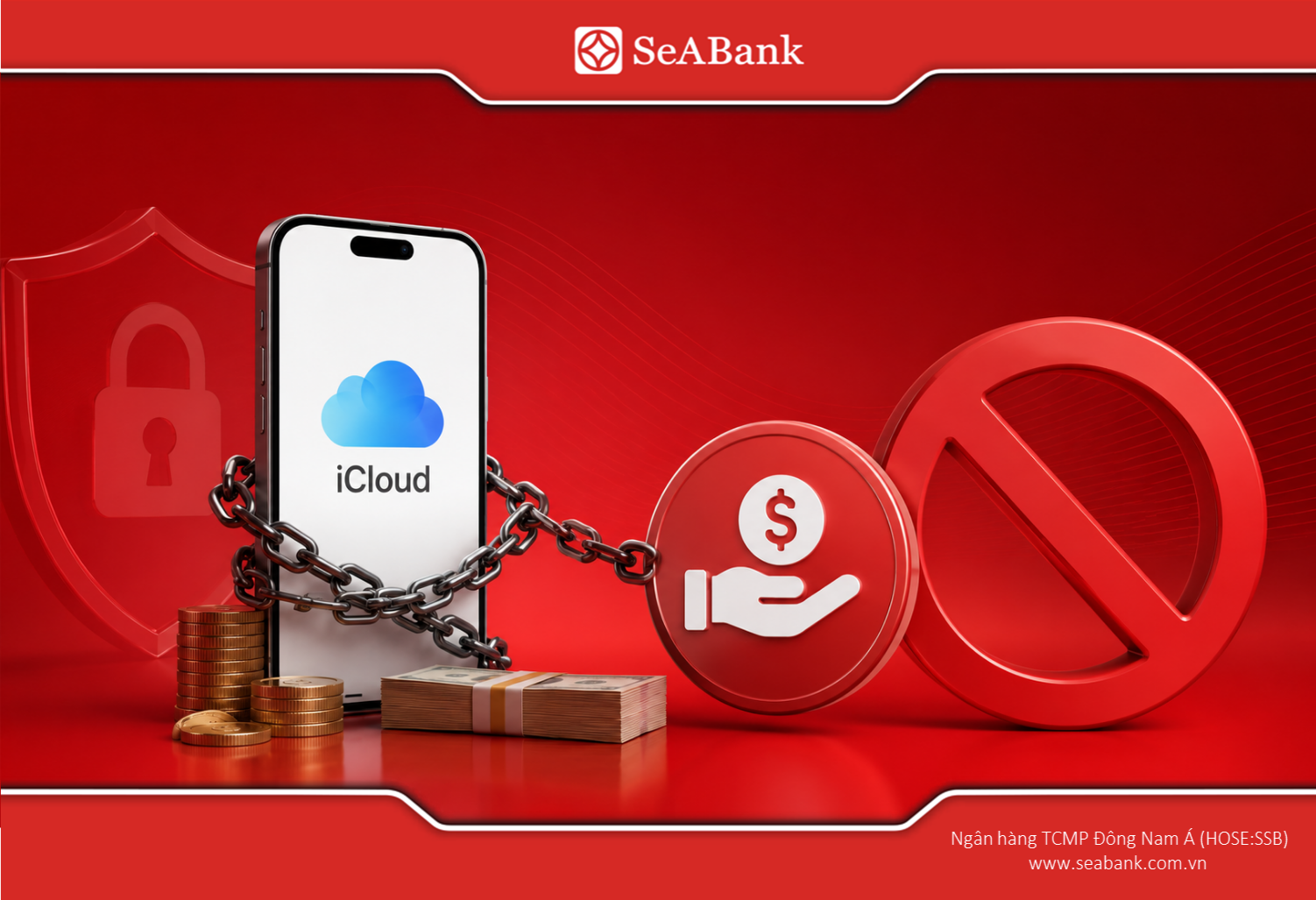
2. Is Borrowing Through iCloud Dangerous? Key Risks to Understand
Yes - and the fallout typically runs far beyond what you'd see with an ordinary loan, precisely because it hinges on control over your device and personal data.
2.1. The real cost ends up much higher than what was agreed
Because there's no formal contract, the lender can tack on extra charges at will - "buyback" fees, extension fees, or other add-ons the borrower has no grounds to dispute or negotiate. What you actually end up paying is often far more than the number you first agreed on.
2.2. Risk of extortion and exposure of personal data and photos
Once a lender has access to iCloud backups - photos, videos, contacts, messages - they can threaten to leak sensitive material unless the borrower keeps paying, even after the original loan has been fully repaid. Leaked contact lists also put the borrower's friends and family at risk of being harassed or threatened as extra leverage.
2.3. Device lockout, disrupted work and daily life
A lender can remotely lock the device at any time to apply pressure for more money - even after the debt has been settled. Since the phone is entirely dependent on an iCloud account the lender now controls, the borrower has no technical way to unlock it themselves, which can disrupt communication, work, and everyday life.
2.4. No legal protection if a dispute arises
Because this is an informal, unregulated transaction with no valid loan contract, the borrower has essentially no legal footing to sue or seek compensation if the lender breaks the agreement, resorts to extortion, or unlawfully holds the device hostage.
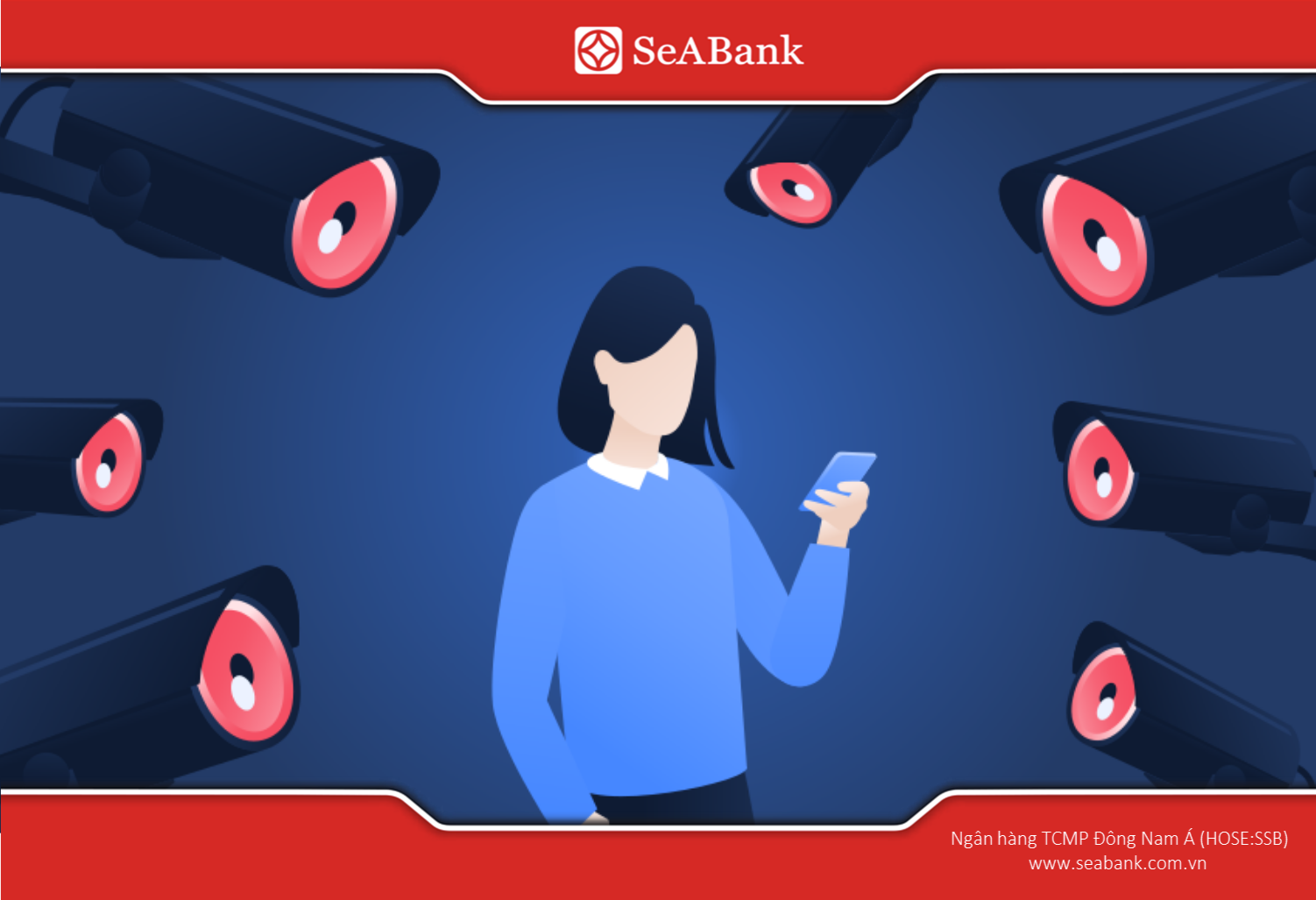
3. Tactics Used by iCloud Lenders
To seize control of the device and apply pressure on the borrower, lenders typically follow two main steps.
3.1. Demanding a change of account details to hand over iCloud control
First, the borrower is asked to change their recovery email, linked phone number, or Apple ID password to information the lender specifies. From that point on, the lender has full access to the iCloud account - without ever needing to physically hold the phone.
3.2. Remotely controlling the phone to apply pressure
Once they control iCloud, the lender can use location tracking or remote lock (Find My iPhone) at any time - even after the borrower has paid on schedule. This is the primary tool used to pressure borrowers into paying extra fees beyond what was originally agreed.
4. What to Do If You've Taken Out an iCloud Loan - and Safer Alternatives
If you're already caught in this situation, there are concrete steps you can take to limit the damage - along with safer financing options worth considering going forward.
Steps to take if you're dealing with an iCloud account issue
- Contact Apple Support: The first move is to reach out directly to Apple to verify ownership, recover your Apple ID, and regain control of your device.
- Report to the authorities if there are signs of a crime: If you're being threatened, extorted, or pressured into paying fees beyond the original agreement, gather evidence and report it to your local police as soon as possible. Trying to negotiate directly with these informal lenders usually leads to greater legal and financial risk.
Financial advice: choose a safe, legal borrowing channel instead
Borrowing through iCloud is an informal, unregulated form of credit that carries serious risk to your personal data security and offers no legal protection if a dispute arises. For financial safety, it's best to choose loan products from commercial banks licensed by the State Bank of Vietnam. These institutions follow a transparent underwriting process, publish their rates openly, and issue loan contracts with full legal standing.

5. Frequently Asked Questions (FAQs)
1. How much can you borrow through an "iCloud loan"?
Typical limits run around 70–80% of the device's value. There's no public standard governing this figure - it's entirely down to what the borrower and lender agree between themselves.
2. If your device gets locked in an iCloud loan, can it be unlocked?
Unlocking depends entirely on the lender's willingness to cooperate, since they control the Apple ID - the borrower has no technical way to bypass it. In this situation, contact Apple to verify ownership, and report to the police if you're being threatened or asked for additional payment.
3. Can an iCloud loan lead to leaked photos or data?
Yes, it can. Since the lender has iCloud access, they can view all backed-up data - photos, videos, contacts, messages. This is one of the main reasons borrowers end up threatened or extorted afterward.
4. Should you take out an iCloud loan?
No. It's an unrecognized lending method that carries serious risk of losing control of your device, exposing personal data, and leaving you with no protection if a dispute occurs.
5. Can you be tracked through an iCloud loan?
Potentially, yes. Once a lender controls iCloud, they can use the device's location tracking feature to find the borrower - another common tactic used to pressure repayment.
6. Is lending through iCloud legal?
No. It's an informal civil arrangement that doesn't fall under any licensed credit product category, so it isn't recognized or protected under the law the way formal lending is.
7. Do you need a national ID card for an iCloud loan?
It depends on the arrangement - in some cases, lenders still ask for a national ID or other personal information in addition to iCloud access, to tighten their leverage over the borrower.
As you can see, an iCloud loan carries substantial financial, data-privacy, and legal risk that's hard for borrowers to anticipate. If you've already taken one out, reach out to Apple and the relevant authorities right away to address it. Longer term, it's worth prioritizing transparent, legally protected lending channels through reputable banks to keep yourself safe.
Related News
How Much Is 1 Tael Of Gold? Update Today's Gold Price And Notes 15/10/2026
How much is 1 million dollars in Vietnamese currency? Update the latest USD exchange rate 15/10/2026
What is CIC? 3 Ways to Check Personal Credit History 15/10/2026
Tiền Đài Loan: Mệnh giá, tỷ giá và kinh nghiệm đổi tiền mới nhất 15/10/2026
How long does a standard interbank transfer take? Process & ways to shorten the time 15/10/2026

How Much Is 1 Tael Of Gold? Update Today's Gold Price And Notes
How much is 1 tael of gold? Update the latest price of 1 tael of 9999, 24K, 18K gold today and instructions on how to calculate and buy gold safely and reliably.
15/10/2026
Read more

How much is 1 million dollars in Vietnamese currency? Update the latest USD exchange rate
“How much is 1 million dollars in Vietnamese currency?” is a common question among individuals who want to invest or trade valuable foreign currencies. bigUnderstanding the USD/VND exchange rate will help customers make the right financial decisions, limit risks and optimize conversion costs.
15/10/2026
Read more

What is CIC? 3 Ways to Check Personal Credit History
Learn about CIC, how to look up, improve credit score and manage bad debt to borrow capital and open credit cards safely and effectively
15/10/2026
Read more