3 safe international payment methods for businesses today
17/10/2025
This article will delve into three safe international payment methods for businesses today, helping businesses control international transactions more effectively.
For businesses operating on a global scale, secure international payments and transactions are key to ensuring smooth financial flows. Mastering the international payment methods. Optimization not only helps save costs but also improves management efficiency. In this article, SeABank will introduce businesses to safe, flexible, and suitable international payment solutions.
Safe international payment methods that businesses should choose
In global business, international payments play a key role in importing goods and investment cooperation. Choosing the right payment method not only helps businesses optimize costs but also ensures fast, safe transactions and compliance with legal regulations.
Method 1: International money transfer via bank
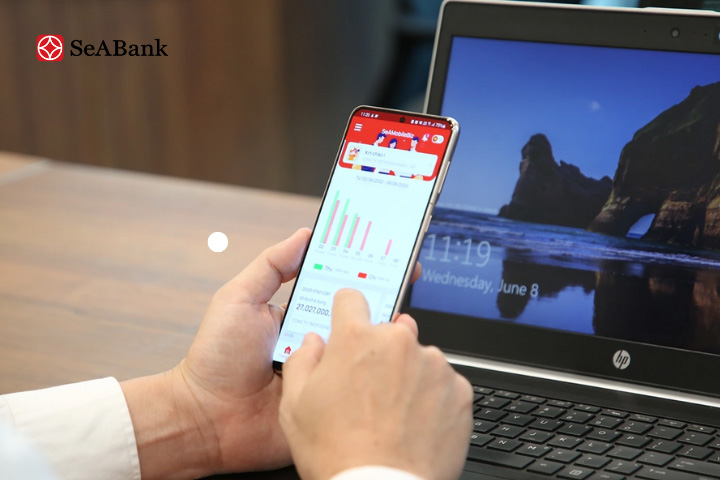
Nowadays, many businesses often make international money transfers through banks, in which SeABank is preferred thanks to its convenient and safe solutions. With the SeANet and SeAMobile Biz platforms, businesses can transparently manage expenses, track transaction status, and make quick and convenient money transfers anytime, anywhere.
Many businesses are choosing international payment methods at SeANet and SeAMobile Biz
Below are the steps to make international payment transactions via SeANet and SeAMobileBiz:
Step 1: Initiate transaction
Log in to SeANet on the computer or SeAMobileBiz on the phone.
If the device does not have a digital signature (Plug-in) installed, the system will display a warning and instructions to download and install.
Step 2: Enter transaction information
Source account: Select payment account (VND or foreign currency).
Processing Branch/Transaction Office: The system automatically displays the branch where the account was opened, and it can be changed if necessary.
Form of money transfer: Select Prepaid money transfer, Postpaid transfer, or Other money transfers.
Currency & Amount Transferred: Enter the exact amount and currency of the transaction.
Buy foreign currency (if needed): Select Have to buy foreign currency from SeABank or Are not if foreign currency is available.
Exchange rate type: Select the listed exchange rate or the negotiated rate.
Step 3: Enter beneficiary and bank information
Name & address of recipient: Enter information in English.
Account number/IBAN & account holder name: Fill in details, can choose from saved list.
Beneficiary Bank: Enter SWIFT code, bank name, branch, and address.
Intermediary bank (if any): Enter similar information for the intermediary bank.
Save information for reuse in future transactions.
Step 4: Enter transaction content & fee
Take note remittance content.
Select Our, Ben, or Share fee and identify the charge account if necessary.
Step 5: Upload documents and confirm the transaction
Upload files proving the transaction purpose to the system (docx, pdf, xlsx, maximum size 10MB).
Check the information, confirm the branch, and click Confirm to let the system create pending transactions.
Step 6: Track and approve transactions
See transaction status via the Transaction status report.
Select [Transaction approval] → [Transaction pending list] or from [International Money Transfer] → Submenu.
Select the transaction to approve, click Browse or Refuse.
Authenticate with OTP to complete.
To make this form of international payment easy, businesses can refer to the video tutorial HERE, or access detailed instructions from SeABank on how to fully utilize SeANet and SeAMobile Biz features now HERE.
With these two digital banking platforms, businesses can proactively make international transactions anytime, anywhere without having to go to the counter, while easily tracking money transfer status, looking up transaction history, and managing finances flexibly, safely, and conveniently.
Method 2: Payment by Letter of Credit (L/C)
A Letter of Credit (L/C) is a popular international payment method, especially in cross-border trade transactions. This is a conditional commitment from the bank. Only when the exporter presents a complete set of documents in accordance with the L/C regulations will the bank make payment. This method helps reduce risks for both exporters and importers, while ensuring transparency in international transactions.
Method 3: Transfer money by collection
With collection, the bank collects money from the importer based on the commercial documents or drafts authorized by the exporter. The bank only acts as an intermediary, receiving and processing documents according to instructions, but is not responsible for making payments on behalf of the importer. This form helps businesses flexibly control risks and ensure transparent cash flow.
What should businesses pay attention to when making international payments?
To make international payments safely, in accordance with regulations and at optimal costs, businesses need to clearly understand the following important notes:
Check the recipient information carefully: This is the most important step. Businesses need to verify all recipient information, such as name, address, account number, and bank name. Even small errors can cause the transaction to be interrupted, returned, or even lost.
Keep full documents: After the transaction is completed, the business needs to keep related documents such as money transfer orders, invoices, contracts, etc. This is the basis for comparison, dispute resolution (if any), and serves for accounting and auditing work later.
Understand the legal regulations: Each country has its own regulations regarding foreign exchange and money transfer. Businesses need to understand the limits, permitted purposes of money transfer, and the necessary documents to avoid violating the law or being delayed due to missing documents.
Track exchange rates and transaction fees: Check foreign exchange rates and bank transfer fees to optimize costs for businesses.
Businesses should keep complete documents when making international payments.
Frequently asked questions about international money transfers
In addition to understanding the above international payment methods, businesses also need to pay attention to the following issues:
What is an international money transfer?
International money transfer is the transfer of money from a bank account in one country to a bank account in another country.
How long does it take to transfer money internationally?
The completion time is usually 3-5 working days, depending on the sending bank, receiving bank, the form of money transfer, and the foreign exchange regulations of the beneficiary country. For businesses that have prepared complete and valid documents, partners can receive the money transfer on the same day of the transaction.
What does the international money transfer fee include?
International money transfer fees include: telegraphic fees, money transfer fees, and other fees (if any) according to each bank's specific regulations.
International money transfer fees will include various charges as per bank regulations.
Conclude
In short, choosing the right international payment method not only helps businesses to be safe in transactions but also optimizes costs and time. With modern, flexible, and highly secure solutions, SeABank provides comprehensive international payment services, meeting the needs of all businesses.
For more information, please call hotline 1900 599 952 or contact the nearest Branch/Transaction Office for advice and support.