News
What is the annual fee? Fee schedule, way to look it up and 3+ tips to reduce
 11/11/2025
Find out what annual fees are, the types of fees that apply, and how to reduce costs when using a bank card to optimize financial benefits.
“What is the annual fee?” is a question that many people are interested in when using banking products such as credit cards, debit cards or electronic services.This is a fixed fee that helps the bank maintain the system, operate services and provide utilities to customers.. JobUnderstanding annual fees not only helps you proactively manage your spending, but also helps you optimize benefits when choosing and using the right bank card.
1. What is the annual fee?
1.1. Definition
Annual fee is a fixed fee that the bank charges customers annually to maintain the operation and services of the bank card or account. This fee is usually collected once a year, on the anniversary of the card opening or every 12 months from the date of card issuance. The specific fee depends on the type of card (debit, credit, international or domestic card) and the policy of each bank.
1.2. Purpose of fee collection
Banks collect annual fees to:
- Maintain card management system and technology infrastructure.
- Cost of printing, shipping and managing physical cards.
- Maintain accompanying services such as SMS banking, customer care, transaction security.
- Sponsor incentive programs, cashback, and points accumulation for cardholders.

Annual fee is a necessary fee to ensure users enjoy stable, safe and convenient card service throughout the usage period.
1.3. Distinguish from other types of fees
Comparison table of annual fees with other common bank fees
2. Common annual fees
2.1. Debit card annual fee
The annual debit card fee is collected by the bank to maintain the payment account, maintain the transaction system (ATM, POS, Internet Banking) and ensure security for users when using the card.
Reference fee:
- Domestic debit card: About 50,000 - 100,000 VND/year.
- International debit card (Visa, Mastercard): 100,000 - 300,000 VND/year, depending on each bank's policy.
2.2. Credit card annual fee
This fee is used to maintain the credit account, manage spending limits, and fund incentive programs such as points, cash back, discounts, or travel insurance exclusively for cardholders.
Reference fee:
- Universal credit card:200,000 - 1,200,000 VND/year.
- High-class cards (Platinum, Signature, Business): 2 – 5 million VND/year.
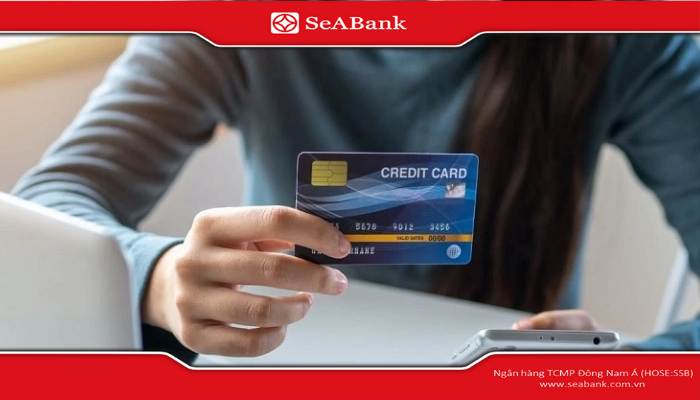
Most cards charge an annual fee.
2.3. Annual fee for electronic banking services
This fee is used to maintain technology infrastructure, secure online transactions, upgrade application features and maintain 24/7 customer support.
Reference fee:
- Internet Banking/Mobile Banking Services: 10,000 – 20,000 VND/month (equivalent to 120,000 – 240,000 VND/year).
- Some banks currently have a free annual fee for customers to use comprehensive digital banking packages.
3. 3+ Ways to look up annual bank card fees
To know the annual fee of the card in use, customers can easily look it up through many different channels. Below are the most popular and convenient ways:
- Search via website/application: Log in to Internet Banking or Mobile Banking, select “Fees Schedule” or “Card Management” to see details of annual fees, collection date and applicable card types.
- Call the hotline: Contact the bank's hotline to get support from staff to quickly look up annual fees and other fees related to the card. Note that you need to use the correct phone number registered to open the account.
- Go directly to the transaction counter: Bring your ID card/CCCD or bank card, the transaction staff will look up and provide detailed information about annual fees, collection time and preferential policies (if any).
- Message via fanpage: Send a message to the bank's official fanpage on Facebook or Zalo. The customer service department will verify the information and respond to the fee in a short time.
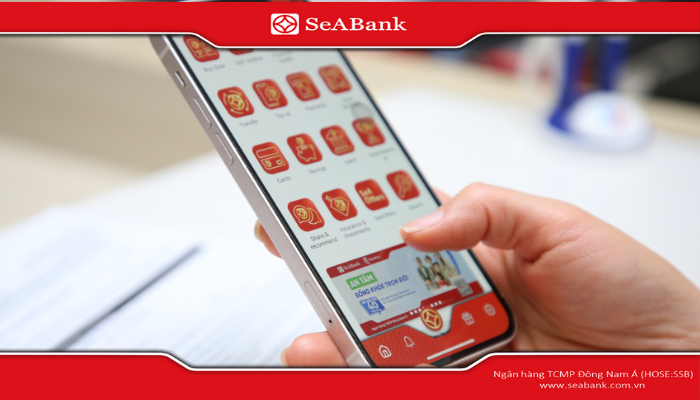
Customers can easily look up annual fees directly at the transaction counter or at home via hotline, application, website
4. 3+ Effective ways to save on annual fees
4.1. Choose a card with a reward points accumulation policy
Customers should choose cards that offer points or cashback for each transaction. These points can be redeemed to reduce annual fees or converted into gifts, helping to reduce the annual cost of using the card.
4.2. Choose a card with no annual fee for life or no first year fee
Users should prioritize cards that are free for the first year or free for life if they meet the minimum spending requirements. Reading the card issuance policy carefully before applying will help you avoid unnecessary fees.
4.3. Become a member customer of the bank
Customers can sign up for membership programs or maintain priority status (such as Gold, Platinum, Diamond). When you reach a higher status, you will enjoy discounts or annual fee waivers according to the loyalty policy.
4.4. Remove unused cards
Customers should review their cards and cancel those they no longer need. Focusing on one or two main cards makes managing finances easier and avoids unnecessary annual fees.
Customers can talk directly with bank staff to consider waiving or reducing the annual fee, especially if you have a good credit history or spend regularly on the card.
5. Open a free annual card at SeABank
Southeast Asia Commercial Joint Stock Bank (SeABank) stands out with its comprehensive financial ecosystem including digital banking services, cards, consumer loans, insurance and investments. SeABank always aims to bring a convenient, transparent and cost-optimized financial experience to individual and corporate customers.
With the philosophy of "Dedication to customers", SeABank regularly implements special incentive programs, including a policy of free annual fees for new cardholders - helping customers easily experience the service without worrying about incurring initial costs.

SeABank has an attractive annual fee incentive program for corporate credit card holders.
In 2025, the bank will launch an annual fee-free incentive program forCorporate credit cardholders, applicable to SeAMileage Co-branded Credit Card, Visa Corporate Credit Card. Customers will be exempted from the first year's annual fee for businesses opening new SeABank Corporate cards during the promotion period. Customers will also receive an annual fee refund for up to 5 supplementary cards/customer when there are qualified transactions.
6. FAQs
1. Do I need to pay an annual fee to lock my bank card?
If the customer temporarily blocks the card, the bank will still charge the annual fee because the card has not been canceled. Only when the card is permanently canceled will the fee stop being collected.
2. What if I forget to pay the annual fee?
When a customer forgets to pay the annual fee, the bank will automatically deduct money from the linked account or temporarily debit it. Late payment may affect the credit history or card limit.
3. Is it okay to owe the annual fee?
If customers let their annual fee debt last too long, the bank may impose a late payment penalty, lock the card, and record bad debt on CIC (for credit cards).
4. Can a card that is locked due to late payment be restored? Is there a fee?
Customers can restore the card by paying the full amount of fees and interest (if any). Some banks may charge additional fees to unlock the card depending on their own policies.
Clearly understand What is the annual fee?, common fees and effective ways to save will help users avoid unnecessary costs and maintain a bank card intelligently. If you are looking for a solution to open a card with no annual fee, quick procedures and many incentives, SeABank is a choice worth considering to start a more convenient, safe and optimal financial journey.
If you want to learn more about SeABank's card products, you can contact the nearest transaction point or call Hotline 1900 555 587 or visit the website www.seabank.com.vn for more details.
Related News
FRAUD AND ASSET MISAPPROPRIATION ALERT BULLETIN Q2/2026 26/06/2026
Guidelines for increasing pensions, social insurance benefits, and monthly allowances by 8% from July 1, 2026. 15/06/2026
5 things that household businesses with revenue under 1 billion VND need to be aware of according to the new regulations. 20/05/2026
What is consumer credit? 5 common types of consumer credit 31/03/2026
What is a demand deposit? Interest rates and how interest is calculated (updated 2026). 31/03/2026

FRAUD AND ASSET MISAPPROPRIATION ALERT BULLETIN Q2/2026
Dear Our Esteemed Customers,
26/06/2026
Read more

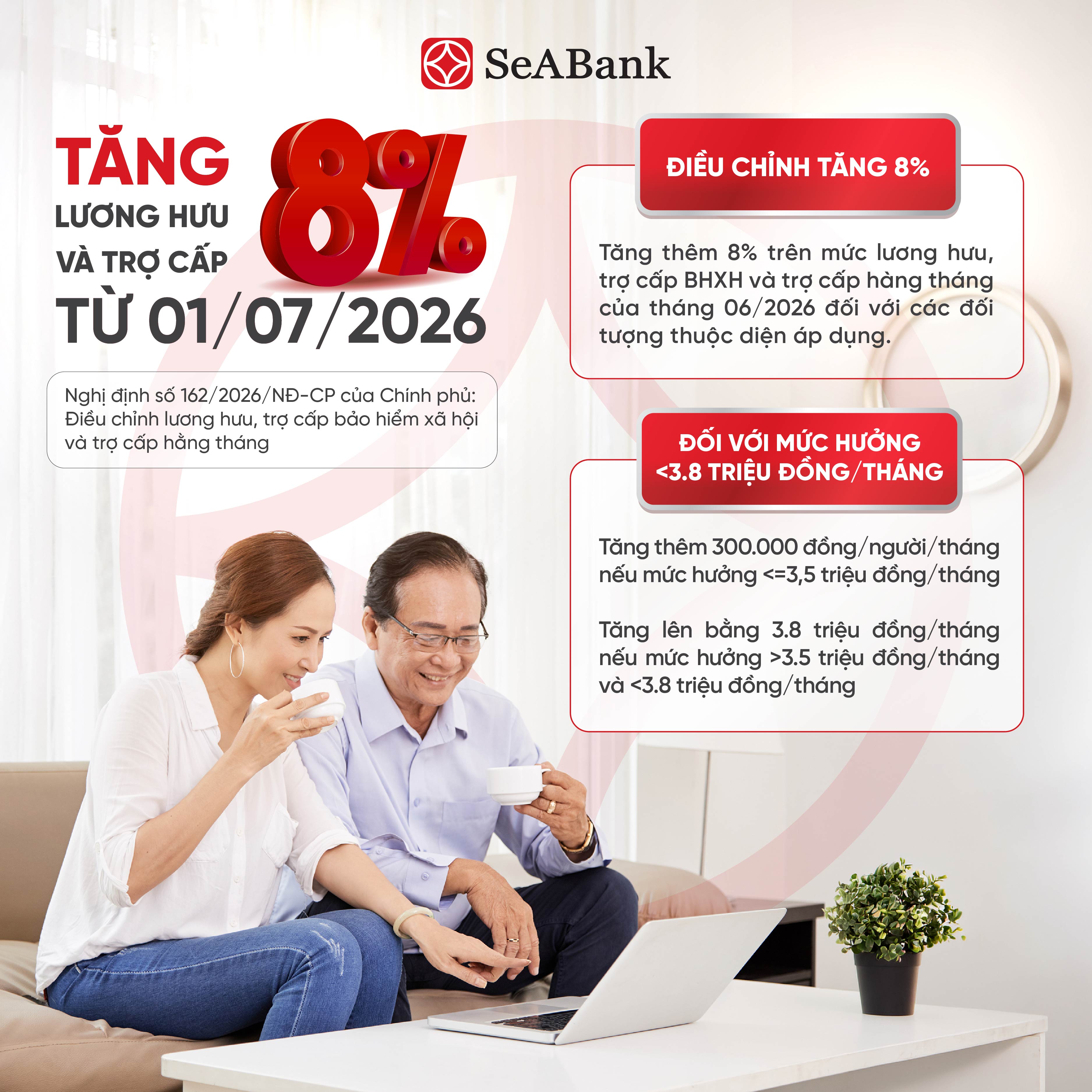
Guidelines for increasing pensions, social insurance benefits, and monthly allowances by 8% from July 1, 2026.
The Minister of Home Affairs issued Circular No. 14/2026/TT-BNV detailing the adjustment of pensions, social insurance benefits, and monthly allowances. Accordingly, from July 1, 2026, pensions, social insurance benefits, and monthly allowances will increase by 8%.
15/06/2026
Read more

5 things that household businesses with revenue under 1 billion VND need to be aware of according to the new regulations.
The new regulations officially raise the taxable revenue threshold for household businesses to 1 billion VND per year. However, household businesses with revenue below 1 billion VND should take note of the following points.
20/05/2026
Read more